On This Tisha B’Av, Remember Hiroshima
While in Japan earlier this summer for a summit of religious leaders, I took a bullet train to Hiroshima to bear witness to the tragic history of the city.
Arriving in the modern train station and walking through the city, it is hard to imagine that it had been the site of complete devastation 63 years ago. The site of the nuclear blast is now a public peace park, bordered by a marker to memorialize the dead at one end and the burned-out shell of the single surviving structure at the other.
In the center is a bell that visitors are invited to ring to signify their presence, much as Jews might leave a stone on a grave. A children’s memorial is adorned by thousands of paper cranes of every color imaginable, sent to Hiroshima from around the world as a pledge to guard against another nuclear horror in the future.
August 6 is the anniversary of the day we dropped the bomb on Hiroshima. August 9 is the date we bombed Nagasaki. This year, August 9 is also the day we begin commemorating Tisha B’Av.
The confluence of dates this year is a jarring reminder of the long, long history of human conflict. It challenges us to consider what message the Jewish community might bring to the modern manifestations of destruction, desolation, violence and, eventually, rebirth.
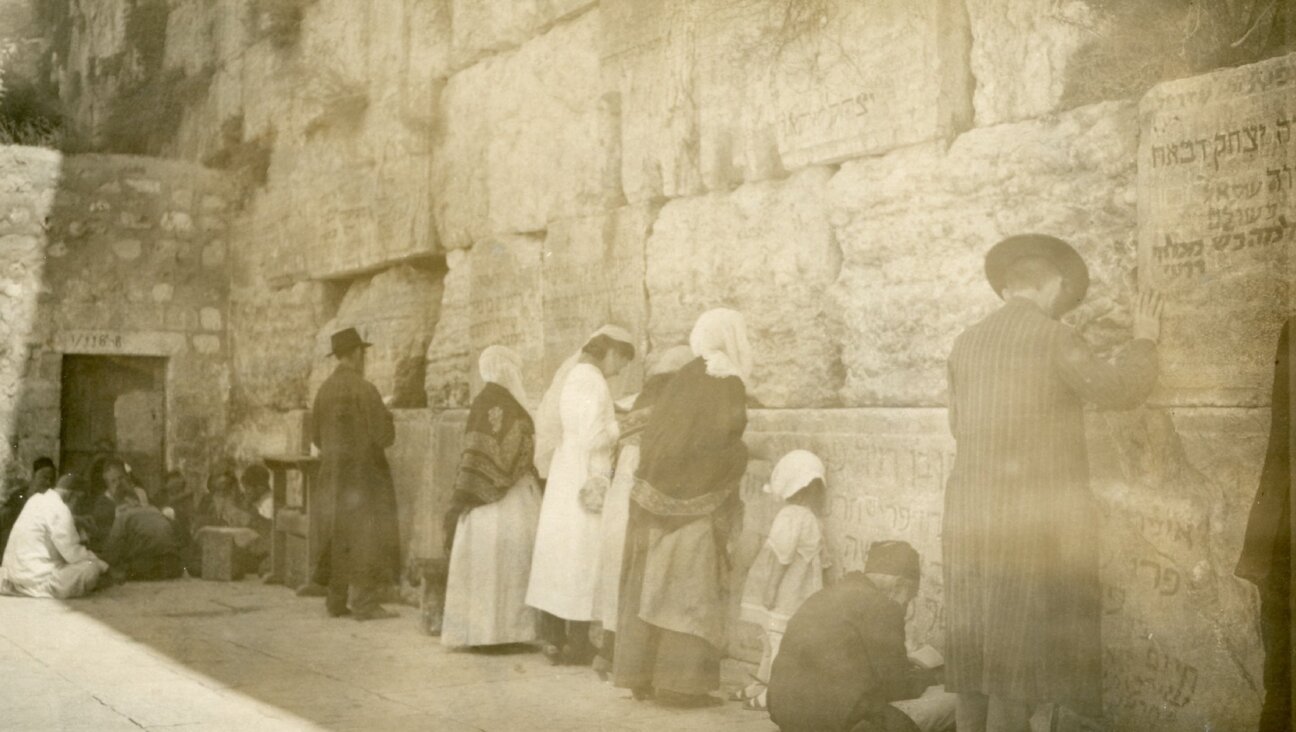
On Tisha B’Av we recall the trauma felt when our beloved Temple was destroyed and our community scattered among the peoples of the earth. Though devastated and mournful, we nonetheless reinvented ourselves, with rabbinic Judaism replacing temple-centered worship. That ability to adapt to changing circumstances has allowed our people to survive long after other ancient nations disappeared.
Six decades ago America employed the power of the atom to annihilate an entire city — tens of thousands were immediately incinerated in a firestorm that melted flesh off bones and radiated organs within their human hosts. A thriving city of businesses, schools, neighborhoods, shrines, homes and average citizens going about their business, was gone in the blink of an eye.
Within hours or days, tens of thousands more succumbed to the effects of radiation. Within years, cancers and other illnesses claimed more lives — hundreds of thousands all told, and the effects still linger in the scars of survivors and their children.
Like our ancient nation, Hiroshima and Japan arose from the ashes, becoming a world power and a leader of industry. The Japanese also adapted to new realities, turning their energy to technology and science and, in many ways, leading the way into the modern era.
And yet our human inclinations to violence and destruction remain. Today’s weapons are many times more powerful than the bombs that destroyed Hiroshima and Nagasaki. The major world powers may be curbing their nuclear arsenals, but the nuclear threat is greater today than it has been in decades.
North Korea and Iran are racing to expand the club of nuclear nations, and their pursuit of nuclear power is encouraging others nations to follow suit. As nuclear power spreads, the risk of nuclear weapons landing in the hands of rogue terrorist groups increases.
The Jewish and Japanese destruction narratives are stories of devastation followed by perseverance, resilience and survival. Yet the power we have today so far surpasses that of America 60 years ago, let alone that of the ancient world, that no amount of ingenuity will allow humanity to survive if we unleash the power at hand.
The unthinkable is, in fact, possible, as a visit to Hiroshima makes all too clear. During these days of memory and mourning for what was lost, then, let us also contemplate the horror that may yet come.
Rabbi Marla Feldman is director of the Commission on Social Action of Reform Judaism.
I’m personally matching all gifts to the Forward, up to $36,000. Can I match your gift now?

Hello, fellow Forward reader! I’m Joel Brown, a Forward reader and supporter for more than 15 years, and currently the chair of the board of directors.
I’m an avid Forward reader because it ticks so many of my essential boxes: excellent journalism, Jewish focus and diverse viewpoints. In today’s political climate, what I most appreciate is the Forward’s independence — made possible by the generosity of its membership.
The Forward is committed to bringing you unbiased, nuanced Jewish news. From my position as board chair, I see an exciting future as we expand our position as the definitive independent voice of contemporary American Judaism.
— Joel Brown, Forward board chair
Support our mission to tell the Jewish story fully and fairly.