A Divine Society?

Graphic by Angelie Zaslavsky
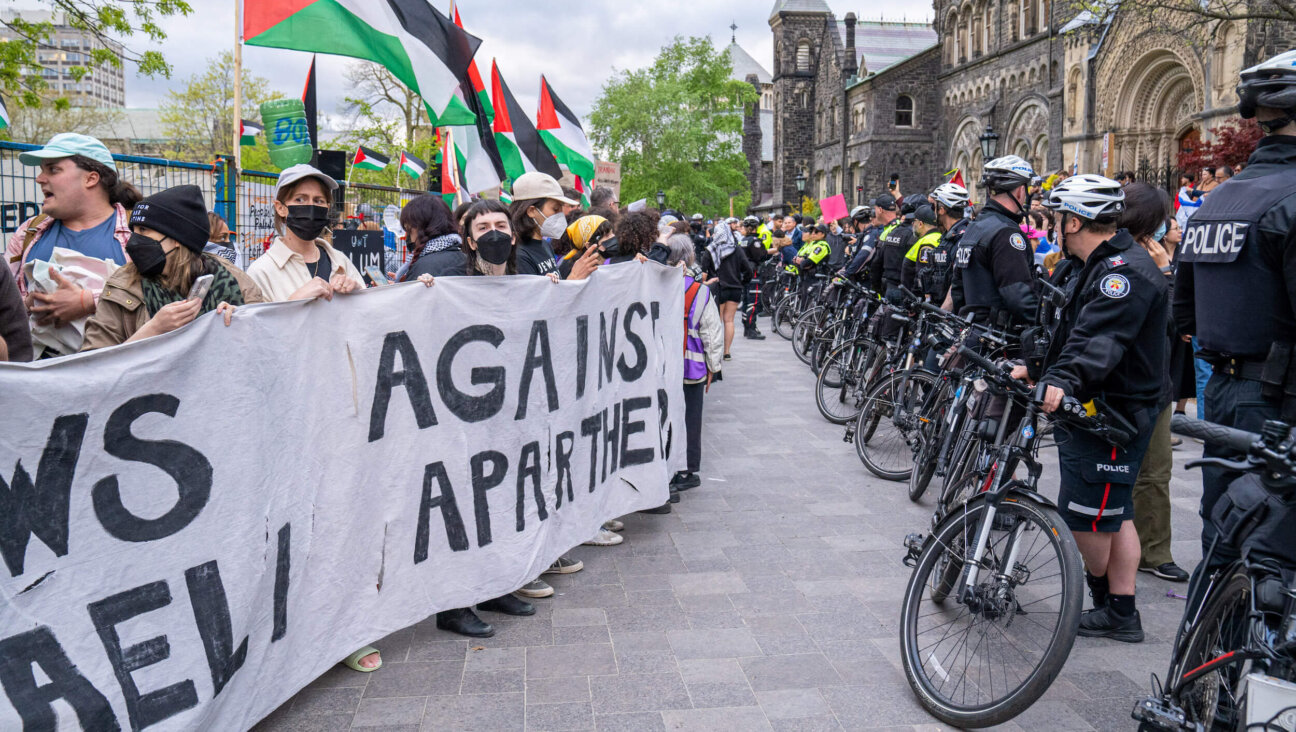
Judge Richard Goldstone is back in the news, having written in an OpEd piece in the New York Times that it is a canard to define Israel as an apartheid state. That has set off the predictable reactions, from “Goldstone is whitewashing Israel’s behavior” to “Goldstone has finally seen the light.” All quite beside the point. There are for sure elements of Israel’s behavior in the West Bank that are at least “apartheidish,” but even if that were not so, Israel’s 44 year-long occupation of the West Bank is inherently rotten. Of late, with the expansion, real and planned, of Jewish settlement in East Jerusalem, with the boorish and often brutal behavior of some of the Jewish settlers, things have been going from merely rotten to downright devastating. What’s at issue is not the label that is proposed, but the thing itself: the occupation.
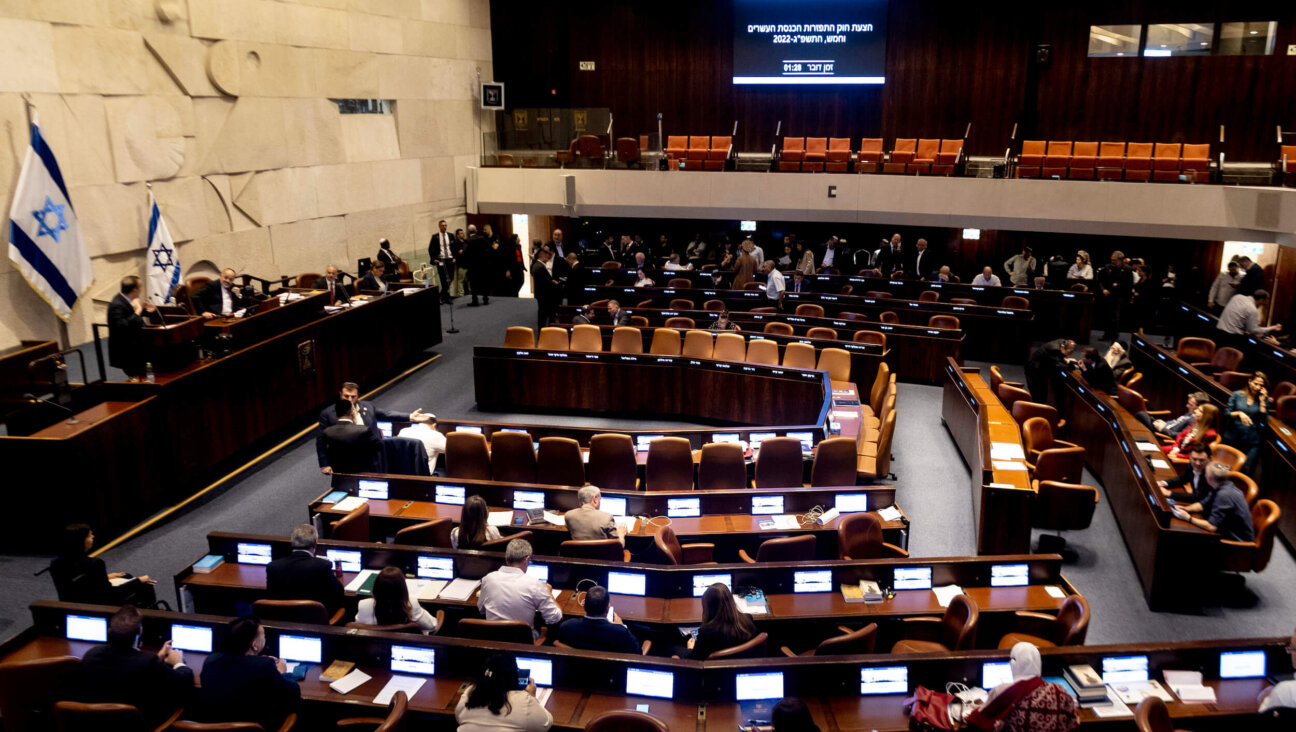
In response to the Palestine National Authority’s accession to full membership in UNESCO, the Netanyahu government has approved the construction of 2000 new housing units in the West Bank, 1650 of them in Jerusalem. Netanyahu denies the housing tat is in response to the UN tit. As he told the Knesset, “We will continue developing Jerusalem, its neighborhoods, and people. This is our right and obligation — not as punishment to the Palestinians but as our basic right.” How curious, then, the timing, the invocation of the right to build the day after the UNESCO caper.
If Palestine ever comes to pass, it is in Israel’s interest that it be well-born — a viable state, its territory contiguous, its prospects for healthy development robust. The current effort to Judaize the whole of Greater Jerusalem, not only depriving Palestine of its intended capital but isolating its south from its north, renders resentment and distrust indelible and the death of a two-state solution inevitable. Take your pick: The “basic right” to build, or the still more basic right to live in peace, security and dignity.
A year and a half or so ago, I listened as Jonathan Sacks, Chief Rabbi of the United Hebrew Congregations of the Commonwealth, speaking at Harvard, tackled one of the most nettlesome problems in Judaism — the idea of “chosen-ness.” It is hard to argue that we are not chosen, given all we have achieved. But it is impossible to argue that we are chosen, given how noxious the notion of God playing favorites is (to say nothing of all our failings). So the theologians turn the references to our selection into tasteless porridge — “we are chosen, you are chosen, everyone is chosen,” or some such, and the discomfort endures.
Along comes Sacks and proposes a really nifty solution: Being chosen, he says, means precisely insisting on staying a tribe, thereby demonstrating the imperative of particularism. It means serving as an example of how particularism need not lead to a sense of superiority.
I was and remain impressed, for I do believe that an essential aspect of the Jewish experience is living with the competing claims of the particular and the universal, accepting the tension between them as an inspiring given. Indeed, exactly that may be our most solemn and enduring purpose.
But Rabbi Sacks spoke at Harvard again just last week, and there’s now a curdling at the edges of his argument: “There has to be a divine society somewhere,” he said, “in order for God to be accessible everywhere. That is what the Jews tried to do during the Biblical era, and that I think what our greatest aspiration for the State of Israel is.”
I have no idea what the first sentence means, and the second sentence strikes me as dangerous: In light of everything now happening in Israel, to aspire that Israel become in any meaningful sense a “divine society” promotes just the kind of flaccid messianism that is bound to mess with our minds. More, does not the suggestion that Israel ought aspire to be “home base” for the divine end up tilting the enterprise in the direction of particularism? Sacks wants us to demonstrate that “particularism need not lead to a sense of superiority.” No, it need not — but as the mounting data remind us these days, it all too often does. Rabbi Sacks and I most likely agree, in large part, on what “divine” means. But obviously, it means something very, very different, something quite malign, to an important swath of Israeli Jews. These days, I tremble when people invoke the divine as the source of their beliefs and actions.
Can we not settle instead on a more modest aspirational agenda, homey virtues such as an effort to be more just and decent, to ensure everyone a bit of dignity and a loaf of bread, to exalt kindness and internalize humility? Such an agenda is healing, authentic, challenging — and, for now, sufficient.
I’m personally matching all gifts to the Forward, up to $36,000. Can I match your gift now?

Hello, fellow Forward reader! I’m Joel Brown, a Forward reader and supporter for more than 15 years, and currently the chair of the board of directors.
I’m an avid Forward reader because it ticks so many of my essential boxes: excellent journalism, Jewish focus and diverse viewpoints. In today’s political climate, what I most appreciate is the Forward’s independence — made possible by the generosity of its membership.
The Forward is committed to bringing you unbiased, nuanced Jewish news. From my position as board chair, I see an exciting future as we expand our position as the definitive independent voice of contemporary American Judaism.
— Joel Brown, Forward board chair
Support our mission to tell the Jewish story fully and fairly.