



Alan Brill
By Alan Brill
-

Opinion Converts’ Permanent Revolution
I teach my classes at Seton Hall University in a seminar room known as the Oesterreicher Suite, in which a photograph of Monsignor John M. Oesterreicher looks down on the class as it is being held. The room itself is comprised of glass cases with speeches and documents that track and illustrate the Monsignor’s path…
-

News A Tribute to a Great Spirit
Jewish Mysticism and the Spiritual Life: Classical Texts, Contemporary Reflections Lawrence Fine, Eitan Fishbane, and Or N. Rose Jewish Lights 256 pgs. $24.99 We may consider ourselves fortunate to have the many personal reflections on mystical texts offered in tribute to Arthur Green, on the occasion of his 70th birthday. ?Jewish Mysticism and the Spiritual…
-

Culture Why Read The Zohar?
The Pritzker translation of the Zohar into English by Daniel Matt — the fifth volume of which has just appeared — should be greeted as a major cultural event. Yet, the publication of each volume has typically produced tiresome book reviews on the ownership of the word Kabbalah, comparing the academic approach of Gershom Scholem…
-

Culture Even This Review Is God
Everything Is God: The Path of Nondual Judaism By Jay Michaelson Trumpeter, 304 pages, $17.95. Jay Michaelson is well known to readers of the Forward for his column, “The Polymath,” a title well chosen to mitigate the frequent changes in his byline, which varied from dot-com software designer, to doctoral student in Jewish mysticism, to…
-

Culture Reb Zalman’s Ah-ha Hasidism
Ahron’s Heart: The Prayers, Teachings and Letters of Ahrele Roth, a Hasidic Reformer By Zalman Schachter-Shalomi and Yair Hillel Goelman Ben Yehudah Press, 150 pages, $14.95. A Heart Afire: Stories and Teachings of the Early Hasidic Masters By Zalman Schachter-Shalomi and Netanel Miles-Yepez The Jewish Publication Society, 384 pages, $45.00. Contemporary American religion is filled…
Explore
Most Popular
- 1

Theater Hidden in this picture, the murder of 1.1 million Jews
- 2
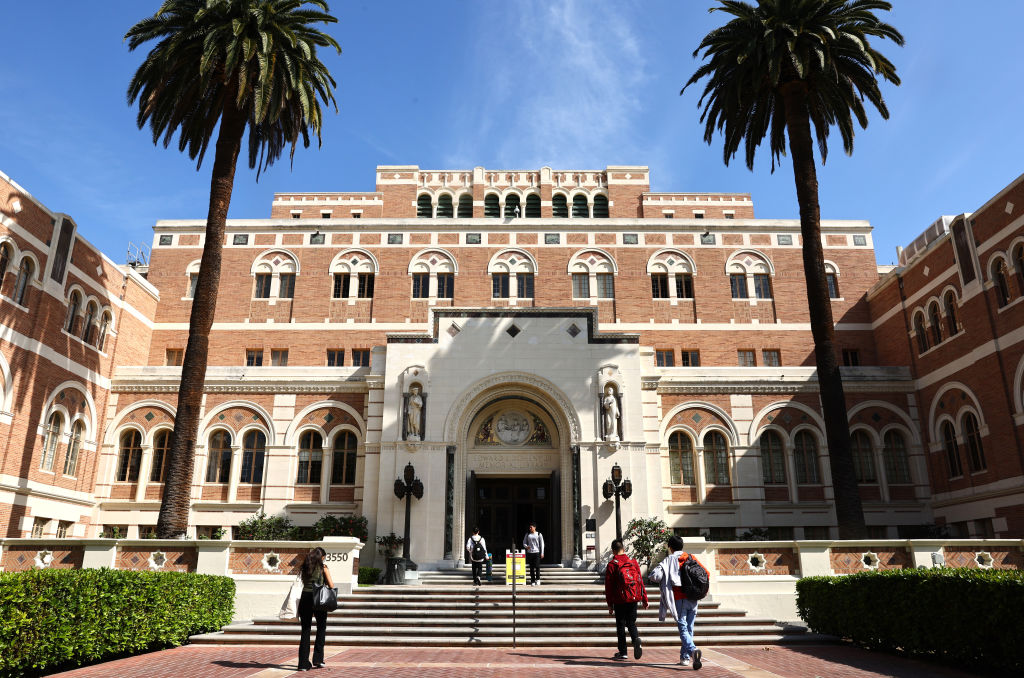
Opinion USC: Don’t blame Jews for canceling your valedictorian
- 3

Fast Forward Major Jewish funder steps back as Columbia University rocked by anti-Israel protests
- 4

Opinion ‘Egregious’: A legal perspective on Columbia University’s mass arrests
In Case You Missed It
-

Opinion Protesters at Columbia are fighting for our deepest values as Jews
-
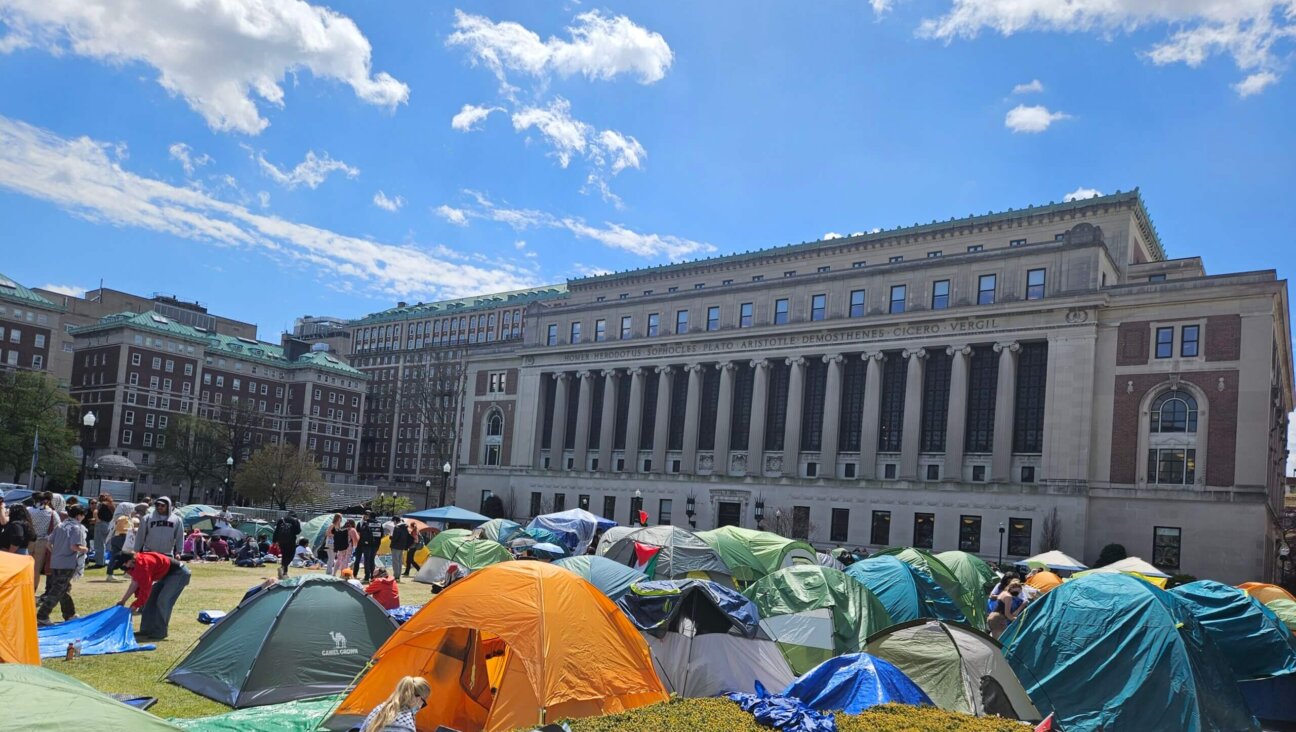
News The great tent conspiracy theory: Are ‘outside agitators’ supplying protesters’ tents?
-

Fast Forward Netanyahu decries ‘antisemitic mobs’ at Columbia as university negotiates with student protesters
-

Culture How a ‘lowly Orthodox,’ punk rock lesbian ended up in Hasidic Crown Heights
Engage
-
Catch Up on Yiddish Events

-
Shop the Forward Store
100% of profits support our journalism




