



Paul Buhle
By Paul Buhle
-

The Schmooze George Mosse Finds Himself in Comics
George Mosse was a German-born, Jewish cultural historian best known for his studies on Nazism. This comic, devised by Nick Thorkelson for the occasion of a “Mosse Fest” in Madison, Wisconsin, is based upon Mosse’s many important books on European cultural and political history, but also his life as lecturer and public personality from Wisconsin…
-

The Schmooze New York According to Creator of ‘Spy vs. Spy’
Drawn to New York: An Illustrated Chronicle of Three Decades in New York City By Peter Kuper, Introduction by Eric Drooker PM Press, 208 pages, $29.95 This oversized, four-color 30-year compendium of comics, magazine illustrations, painting and sketchbook work by the artist best known for his “Spy vs Spy” pages in Mad Magazine, is stunning…
-

The Schmooze America’s Most Popular Poet
Poet, publisher and bookstore maven Lawrence Ferlinghetti is, at 94, arguably the most popular living versifier, or at least author of the single most popular book of poetry — the million-selling “A Coney Island of the Mind” (1957). It’s a distinction he carries lightly in Christopher Felver’s new documentary “Ferlinghetti: A Rebirth of Wonder.” The…
-

The Schmooze Comics Great and Sexual Fiend
Al Capp: A Life to the Contrary By Michael Schumacher and Denis Kitchen Bloomsbury, 305pages, $30 No vernacular artist, and possibly no American humorist, had a bigger following during the 1940s and ‘50s than Al Capp did. That Capp had to be banned from campuses in the late 1960s after repeated sexual assault charges —…
-

The Schmooze ‘Mad’ Founder’s War Comics
Corpse on the Imjin! And Other Stories By Harvey Kurtzman, Edited by Gary Groth Fantagraphics, 227 pages, $28.99 Harvey Kurtzman (1924-1993) is today remembered as the Bronx-born genius editor who invented Mad Magazine, the most pervasive satirical influence of the 20th century. That single claim-to-fame is hard to avoid, but Kurtzman’s larger role in the…
-

The Schmooze Comic Books and Country Music
The Carter Family: Don’t Forget This Song By Frank M. Young and David Lasky Abrams, 192 pages, $24.95 With a recent issue of Time magazine declaring “The Carter Family” to be one of the seven best comics of 2012, artist David Lasky has ascended to the top tier of Jewish-American comic artists, an august group…
-

The Schmooze Crime Comics That Shocked a Nation
Crime Does Not Pay, Volumes 1 and 2 Dark Horse Archives, $49.99 per volume Someone once quipped that a history of American theater minus Jews would be far more difficult than a history of Jewish Americans without theater. The same goes for comic books in their glory era, from the late 1930s to the early…
-

The Schmooze Alternative Comics From Long Island
Lost and Found: Comics 1969-2003 By Bill Griffith Fantagraphics Books, 364 pages $35 Bill Griffith, the one prominent figure of underground comix to reach the daily comic page mainstream, has delivered again with a phone book-sized volume both odd and pleasing. It comes with a Long Island back-story. Life (suburban life, that is), found this…
Explore
Most Popular
- 1
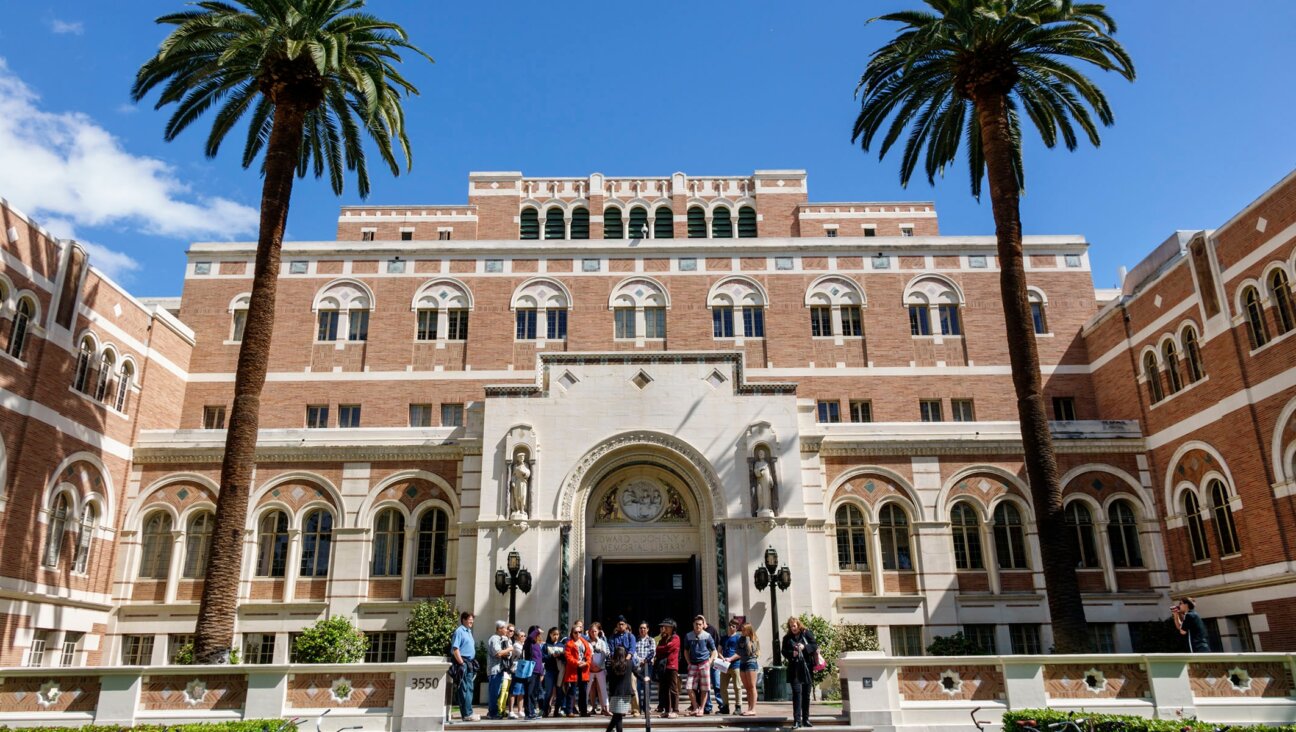
Fast Forward USC cancels commencement speech from Muslim valedictorian after she shared link to anti-Israel website
- 2

Fast Forward 2 House members lead the charge to oust the speaker. Both have been accused of trafficking in antisemitism.
- 3

Opinion The head of the largest Christian Zionist organization is no friend to Israel — he wants an apocalypse there
- 4
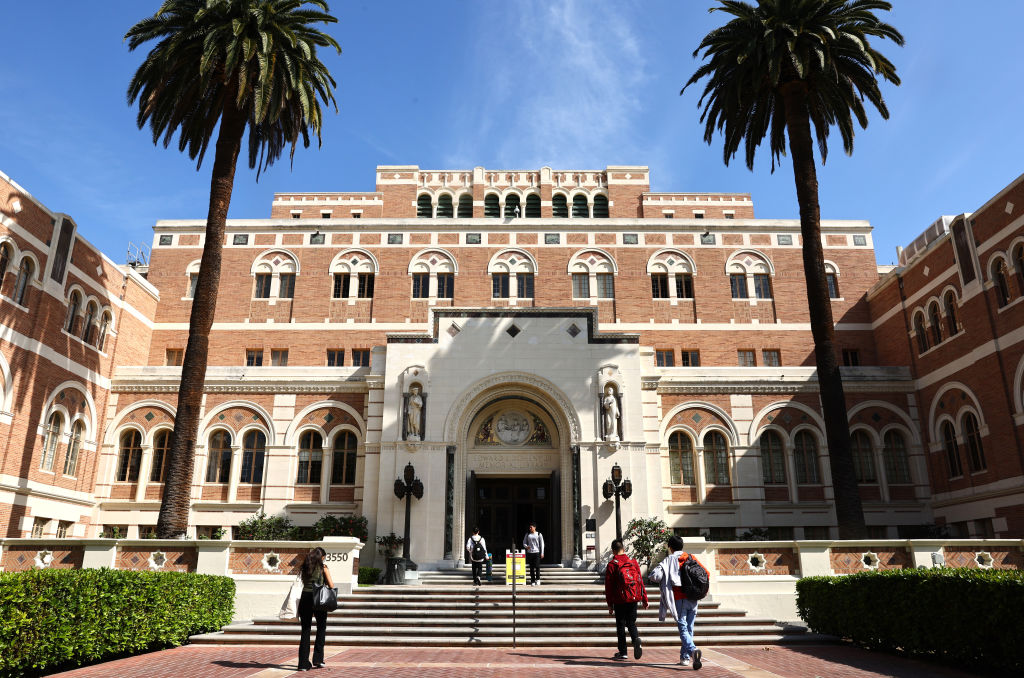
Opinion USC: Don’t blame Jews for canceling your valedictorian
In Case You Missed It
-
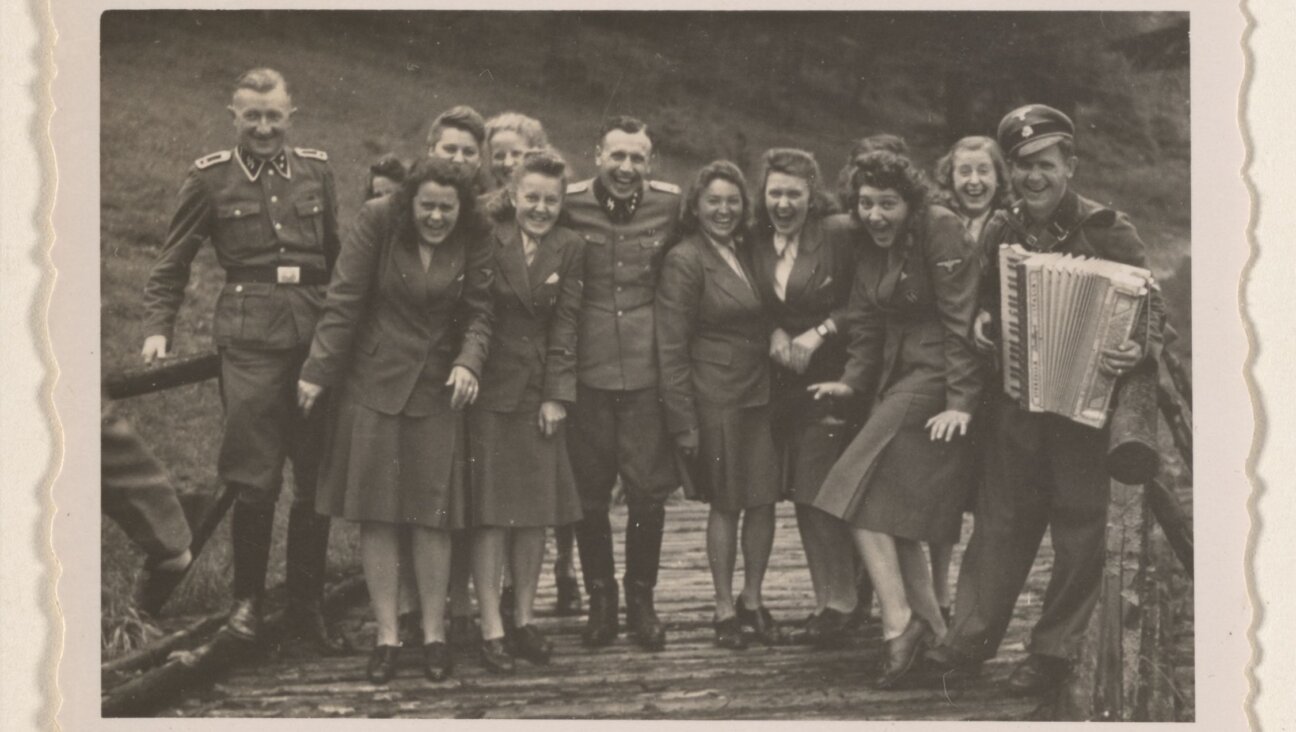
Theater Hidden in this picture, the murder of 1.1 million Jews
-
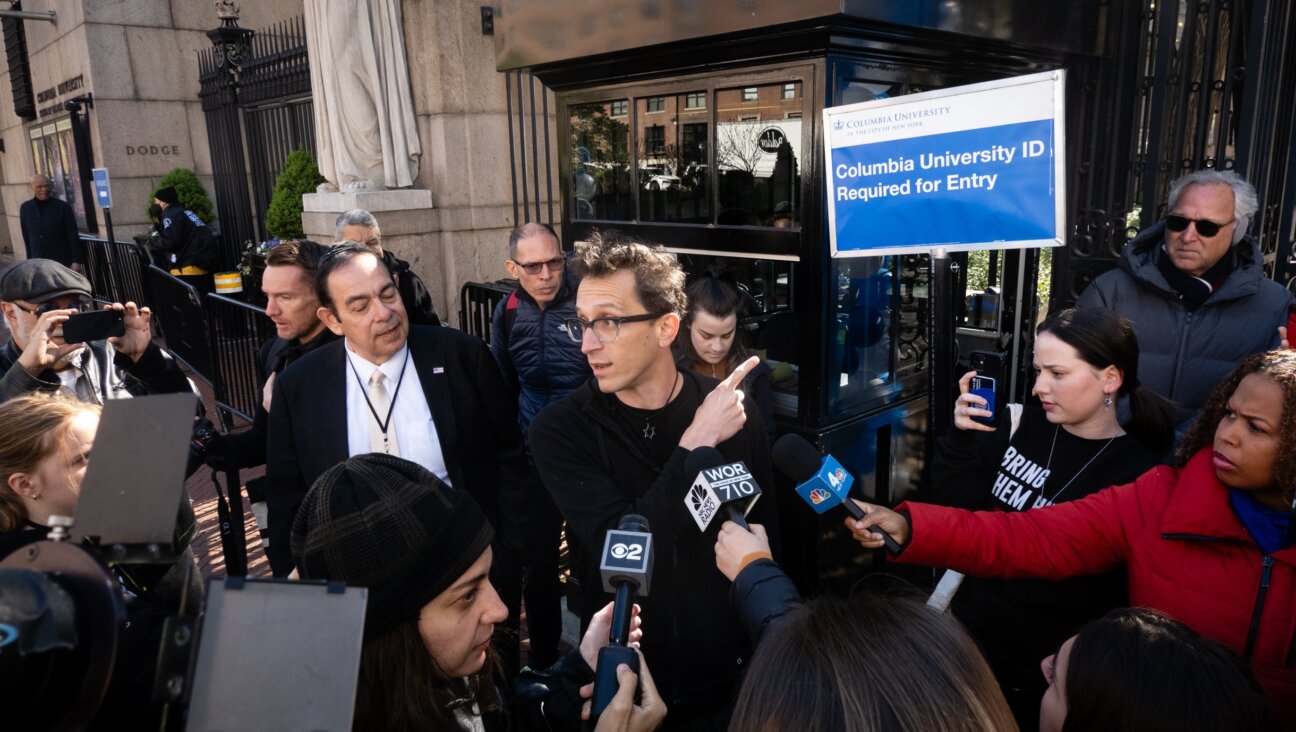
Fast Forward Columbia protests: Israeli professor barred from campus and Congress members demand action to protect Jewish students
-
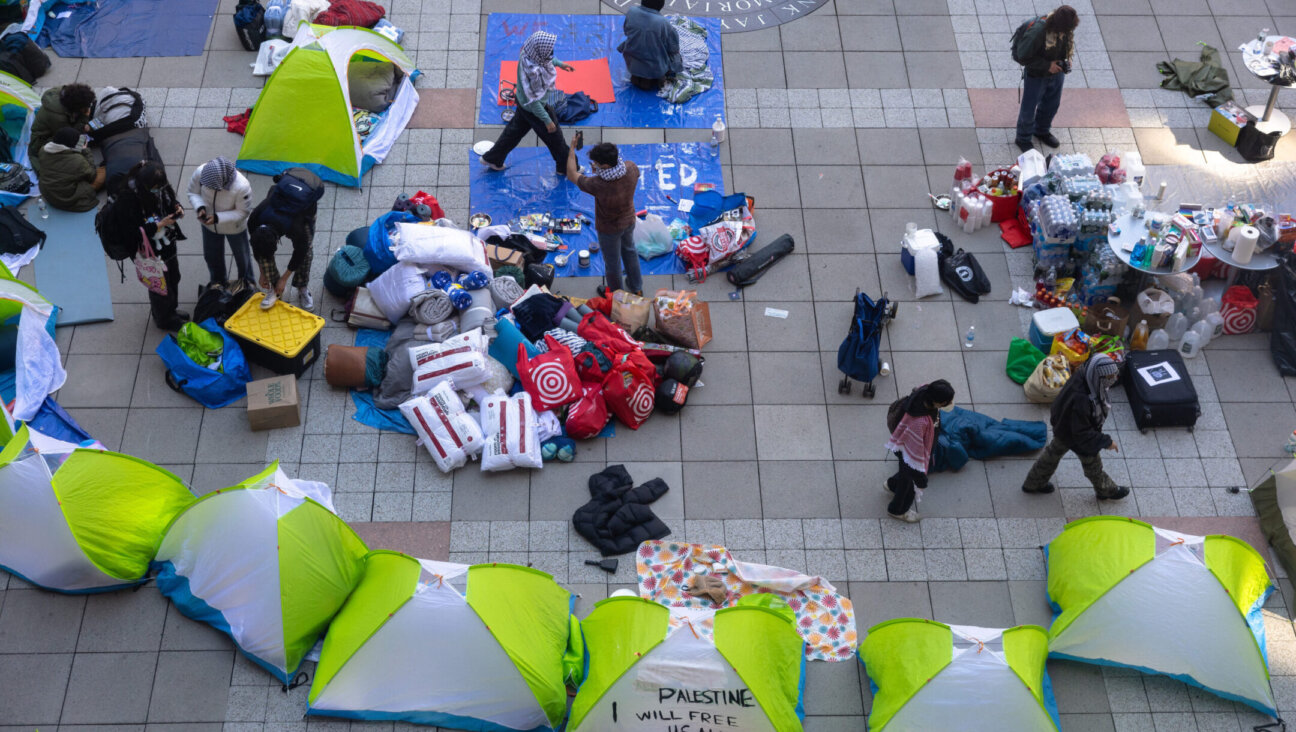
Fast Forward Inspired by Columbia example, pro-Palestinian encampments spring up at colleges nationwide
-
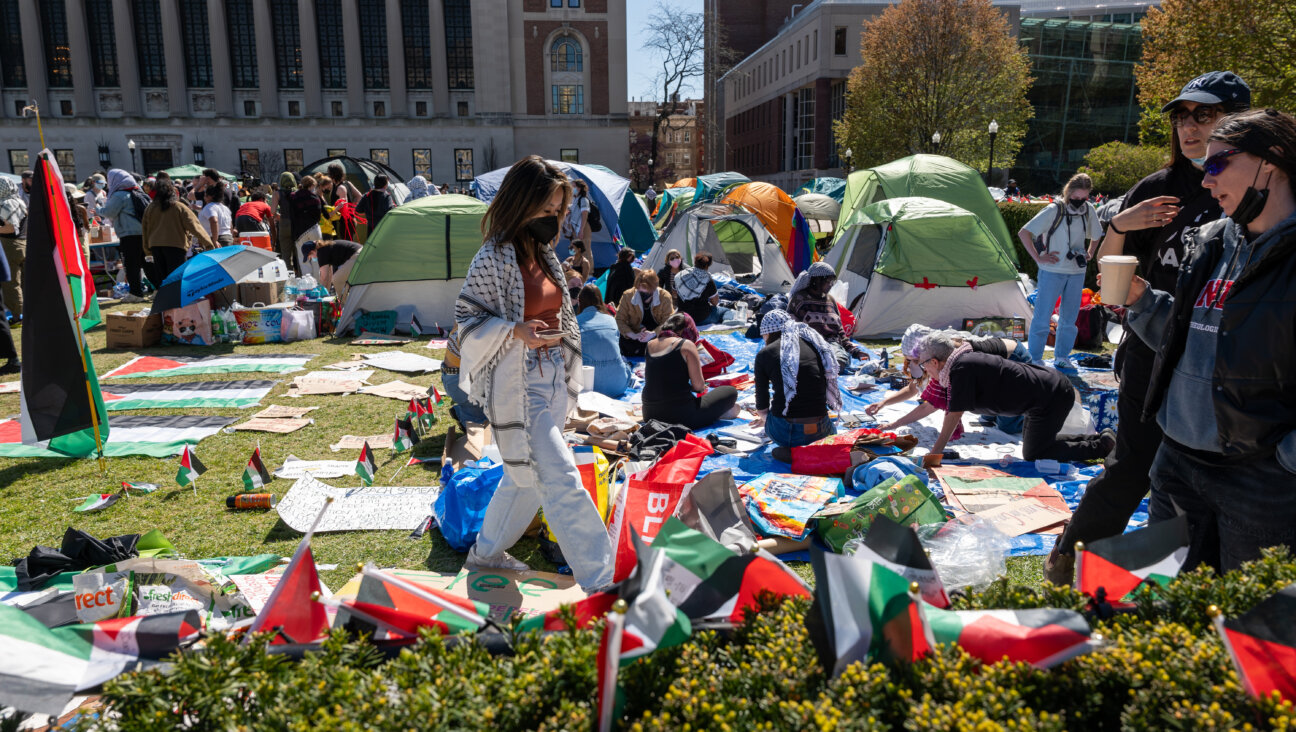
News With trust ‘broken,’ Columbia descends into chaos and protests spread
Engage
-
Catch Up on Yiddish Events

-
Shop the Forward Store
100% of profits support our journalism




