



Rachel Kahn-Troster
By Rachel Kahn-Troster
-

Opinion Feeling That Black Lives Don’t Matter
Rabban Shimon ben Gamaliel taught us that on three things the world is sustained: on truth, on justice and on peace. But today the streets have erupted in protest — in Ferguson, Missouri, and around the country — because a clear truth, that an unarmed black teenager named Michael Brown Jr., was shot and killed…
-

Food Food Chains Ask Who Picks Your Food
T’ruah rabbis and farmworker activists protest at a Wendy’s in Naples, Florida, calling on the fast-food giant to join the Fair Food Program. Photograph by Coalition of Imokalee Workers. Who picks the food you eat? How are they treated? How much are they paid? These are just a few of the critical questions that we…
-
Opinion ‘Zero Dark Thirty’ Brings Torture to Big Screen
I recently sat in the dark of a movie theater and watched a human being being tortured. This happened at the beginning of Kathryn Bigelow’s new film “Zero Dark Thirty.” The film’s torture scenes begin the narrative arc toward the May 2011 killing of Osama bin Laden, and so “Zero Dark Thirty” has reopened the…
-

Opinion Stop Spying on Muslims
What would it look like to have your movements and your friendships tracked simply because of your religion or where you prayed? Syed Farhaj Hassan knows. He stopped attending his mosque in New Jersey after discovering that the New York City Police Department had it under surveillance. Hassan, a specialist in the Army Reserve, told…
-

Opinion Slavery Flourishes in Modern Times
During the Seder, some Jews have the custom of going around the table and imagining themselves as Hebrew slaves in Egypt during the Exodus. They describe their respective slave jobs — bricklayer, house slave, mortar mixer — and how they feel about their impending freedom. The game illuminates the Seder’s insistence that had God not…
-

Food A Victory for Tomato Pickers
On Thursday, Trader Joe’s signed a Fair Food Agreement with the Coalition of Immokalee Workers, guaranteeing that they will only buy from growers who have signed a Code of Conduct in their fields and ensuring a penny per pound wage increase for the tomato pickers. The Code of Conduct enshrines the rights of workers to…
-

Food Taking Bal Tashchit to the Restaurant
One of the ethical principles on which the Jewish environmental and food movements rest is ba’al tashchit, the commandment not to needlessly waste or destroy. One area of modern life that desperately needs to understand this principle better is our food supply, where over 40% of the food produced for human consumption is thrown away….
-

Food In Search of a Just Tomato
Why was a group of rabbis singing around some tomatoes at a Publix supermarket in Naples, Fla.? No, it wasn’t a new ritual about mindful eating, but rather an act of protest. Would you pay one penny more per pound for tomatoes to ensure a better wage and a more dignified workplace for farmworkers? That’s…
Explore
Most Popular
- 1

Theater Hidden in this picture, the murder of 1.1 million Jews
- 2
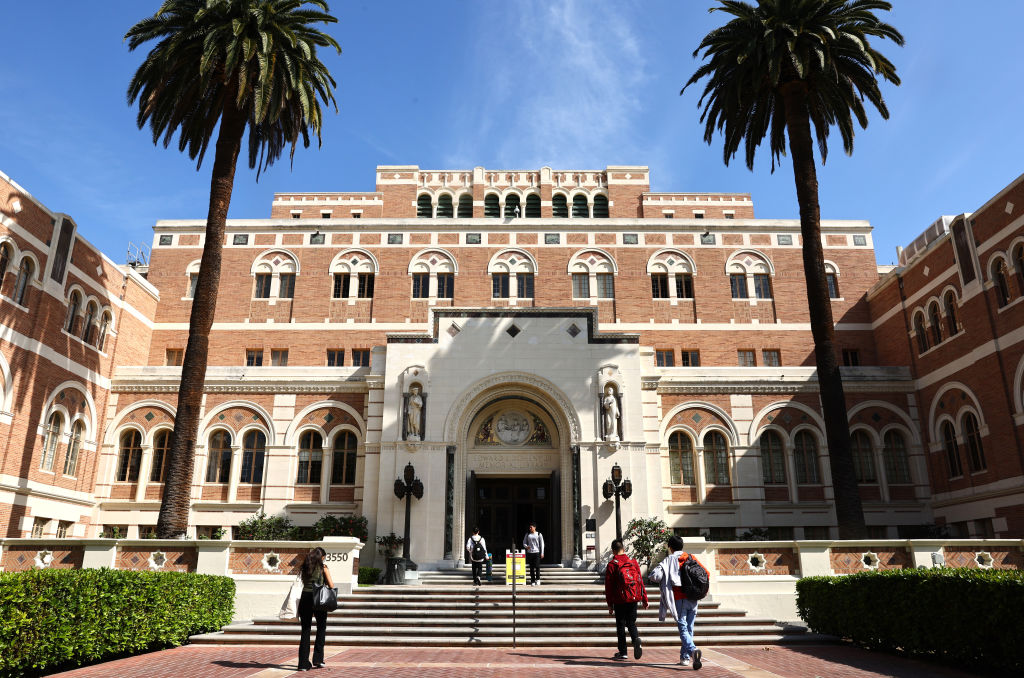
Opinion USC: Don’t blame Jews for canceling your valedictorian
- 3

Fast Forward Confidential letter shows Columbia professor who called Hamas attack ‘awesome’ is under investigation
- 4

Fast Forward 2 House members lead the charge to oust the speaker. Both have been accused of trafficking in antisemitism.
In Case You Missed It
-

Opinion Protesters at Columbia are fighting for our deepest values as Jews
-

News The great tent conspiracy theory: Are ‘outside agitators’ supplying protesters’ tents?
-
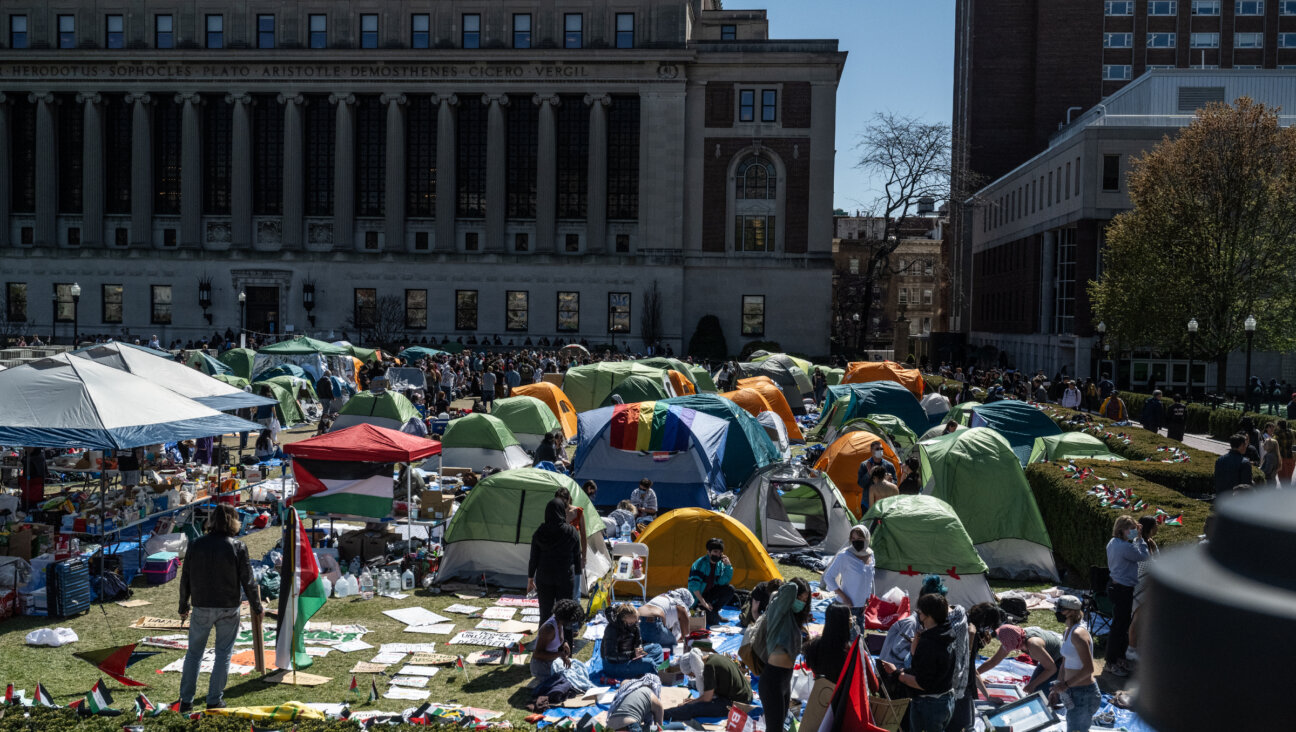
Fast Forward Netanyahu decries ‘antisemitic mobs’ at Columbia as university negotiates with student protesters
-
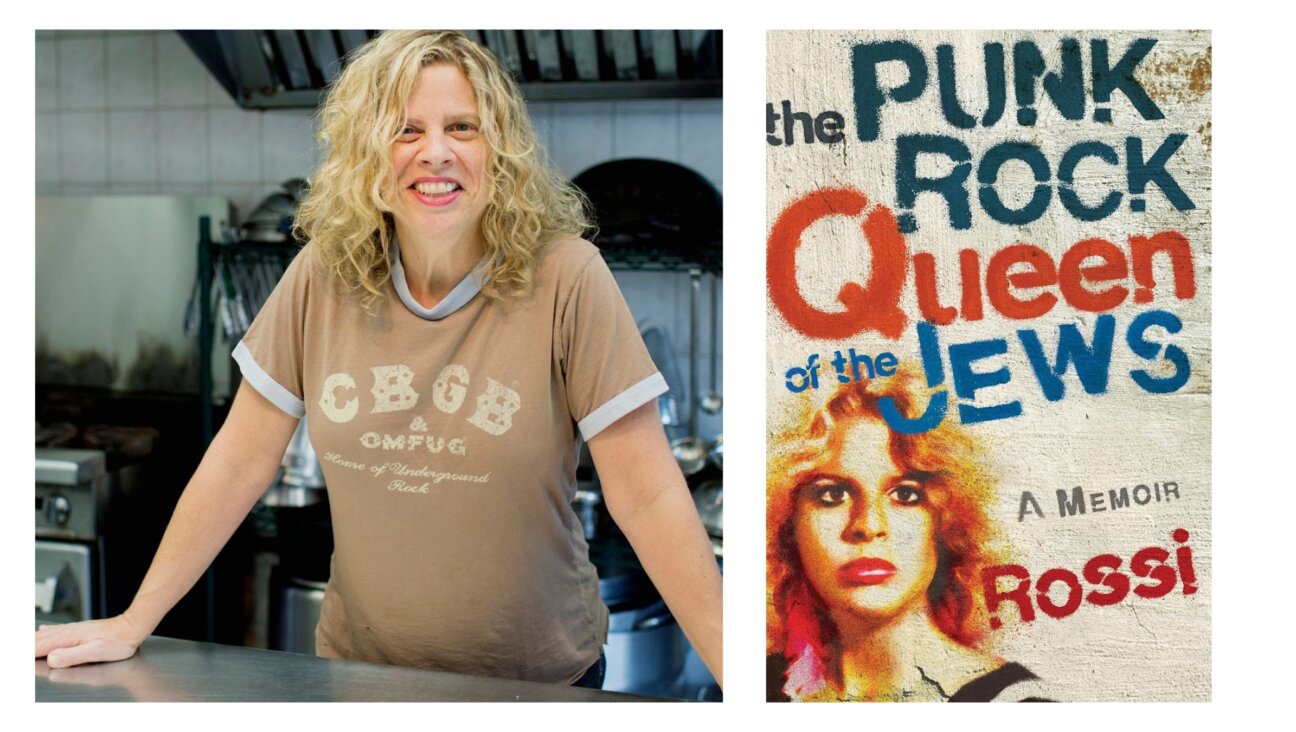
Culture How a ‘lowly Orthodox,’ punk rock lesbian ended up in Hasidic Crown Heights
Engage
-
Catch Up on Yiddish Events

-
Shop the Forward Store
100% of profits support our journalism




