
Novel set in a war-torn Ukraine wins Sami Rohr prize for Jewish literature
“Your Presence Is Mandatory” by Sasha Vasilyuk is based on a family secret harbored by the author’s grandfather
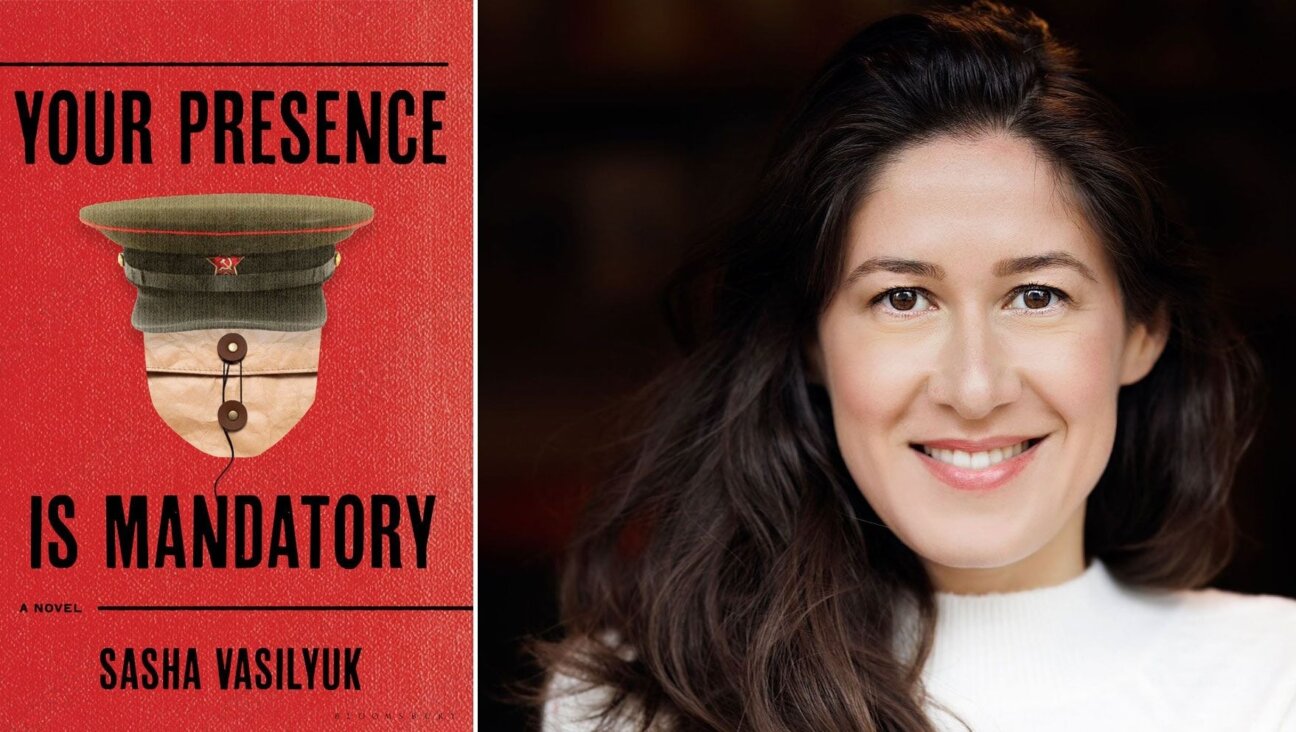
“Your Presence Is Mandatory” by Sasha Vasilyuk is based on a family secret harbored by the author’s grandfather
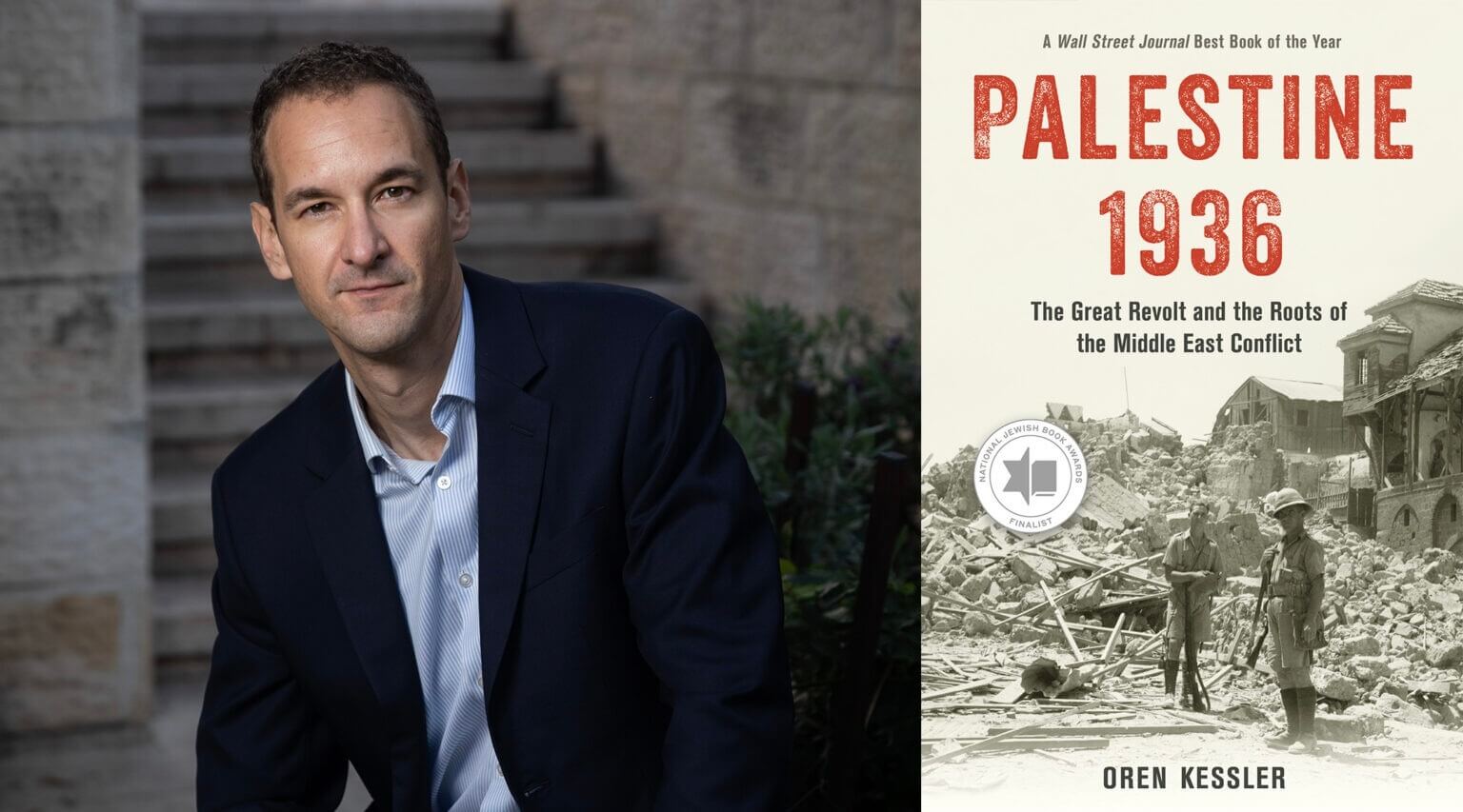
Oren Kessler’s “Palestine 1936” tells the “story of two nationalisms"
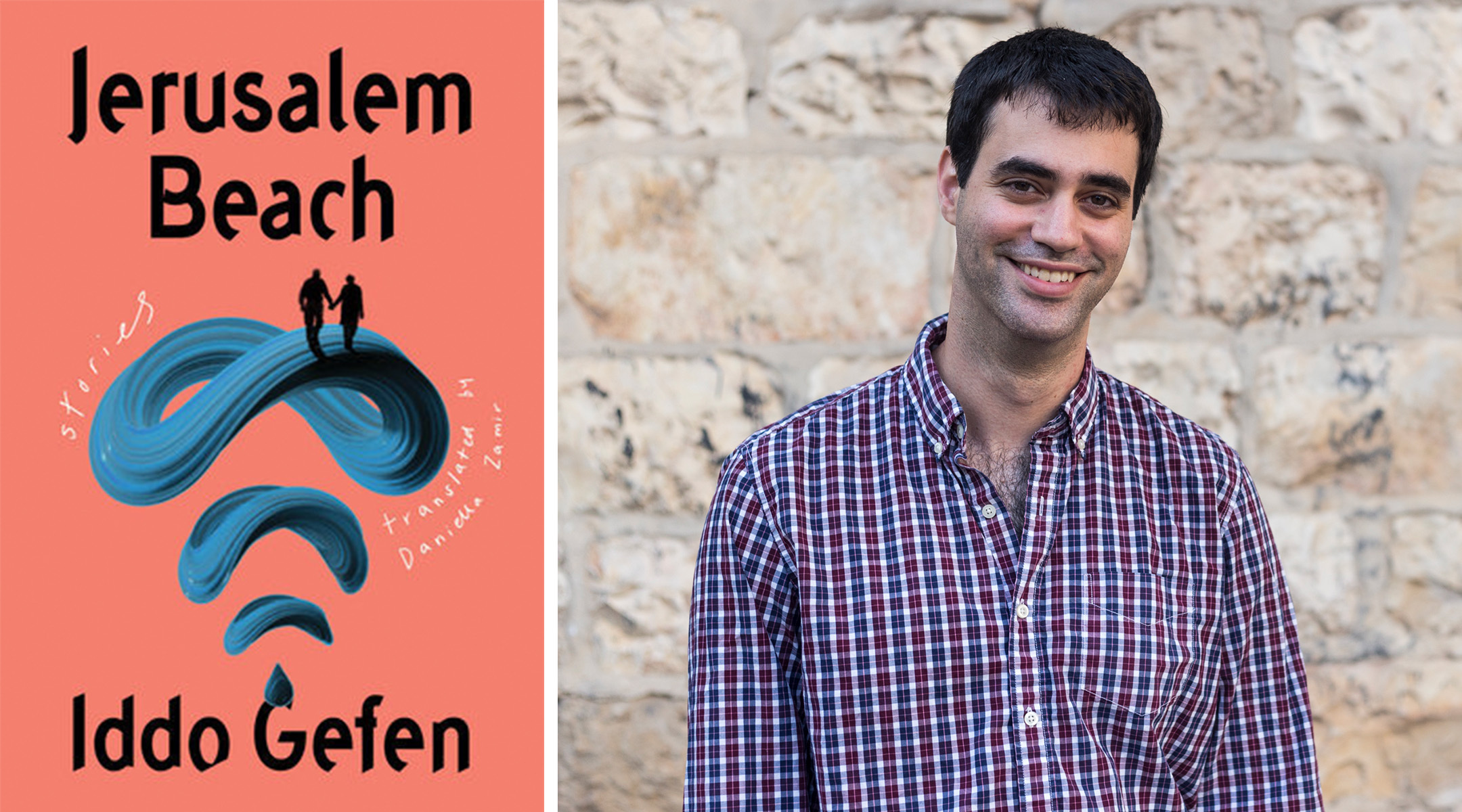
"It was important to expand the reach of the prize, and concomitantly and consequentially the reach of these books," said the prize organization's director

The annual award is given to a distinguished work of Jewish literature
Ilana Kurshan’s “If All the Seas Were Ink: A Memoir” has won the 2018 Sami Rohr Prize for Jewish Literature. “If All the Seas Were Ink” recounts the years in which Kurshan, recovering from the dissolution of her first marriage at age 27, undertook the project of reading the entire Talmud, one page per day….

The finalists for the 2018 Sami Rohr Prize for Jewish Literature, announced today, are Ilana Kurshan’s “If All the Seas Were Ink,” Sara Yael Hirschhorn’s “City on a Hilltop: American Jews and the Israeli Settler Movement,” Shari Rabin’s “Jews on the Frontier: Religion and Mobility in Nineteenth-Century America,” Yair Mintzker’s “The Many Deaths of Jew…
(JTA) — Idra Novey, author of the novel “Ways to Disappear,” won the 2017 Sami Rohr Prize for Jewish Literature. She takes home $100,000 for winning the prize, which was announced Wednesday by the Jewish Book Council at a ceremony at New York’s Jewish Museum. Her book explores a translator’s search for a missing…

The Jewish Book Council has announced the finalists for the 2017 Sami Rohr Prize for Jewish Literature. The finalists, known as the Sami Rohr Prize Fellows, are Paul Goldberg for “The Yid,” Idra Novey for “Ways to Disappear,” Daniel Torday for “The Last Flight of Poxl West,” Adam Ehrlich Sachs for “Inherited Disorders: Stories, Parables…







