The moral imperative of a name: Yad Vashem documents five million Holocaust victims
Honoring Memory Through Public Engagement: A historic milestone is reached as the global community marks the ‘Night of Broken Glass’ with a renewed vow to fight anonymity and hate.

Commemorating the 6 Million Victims of the Holocaust Courtesy of Yad Vashem
The World Holocaust Remembrance Center, Yad Vashem, recently announced a monumental achievement in its mission to preserve the memory and identity of the six million Jews murdered during the Shoah. After seven decades of exhaustive global effort, the organization has recovered the names of five million victims.
This milestone is profoundly significant, arriving at a time when the last generation of Holocaust survivors is dwindling. The documentation effort is not merely a historical exercise; it is the fundamental act of restoring the individual dignity that the Nazi regime sought to strip away. Every recovered name transforms a statistic into a life, a story, and a legacy.
Beyond Numbers: Restoring the Human Scale of the Shoah
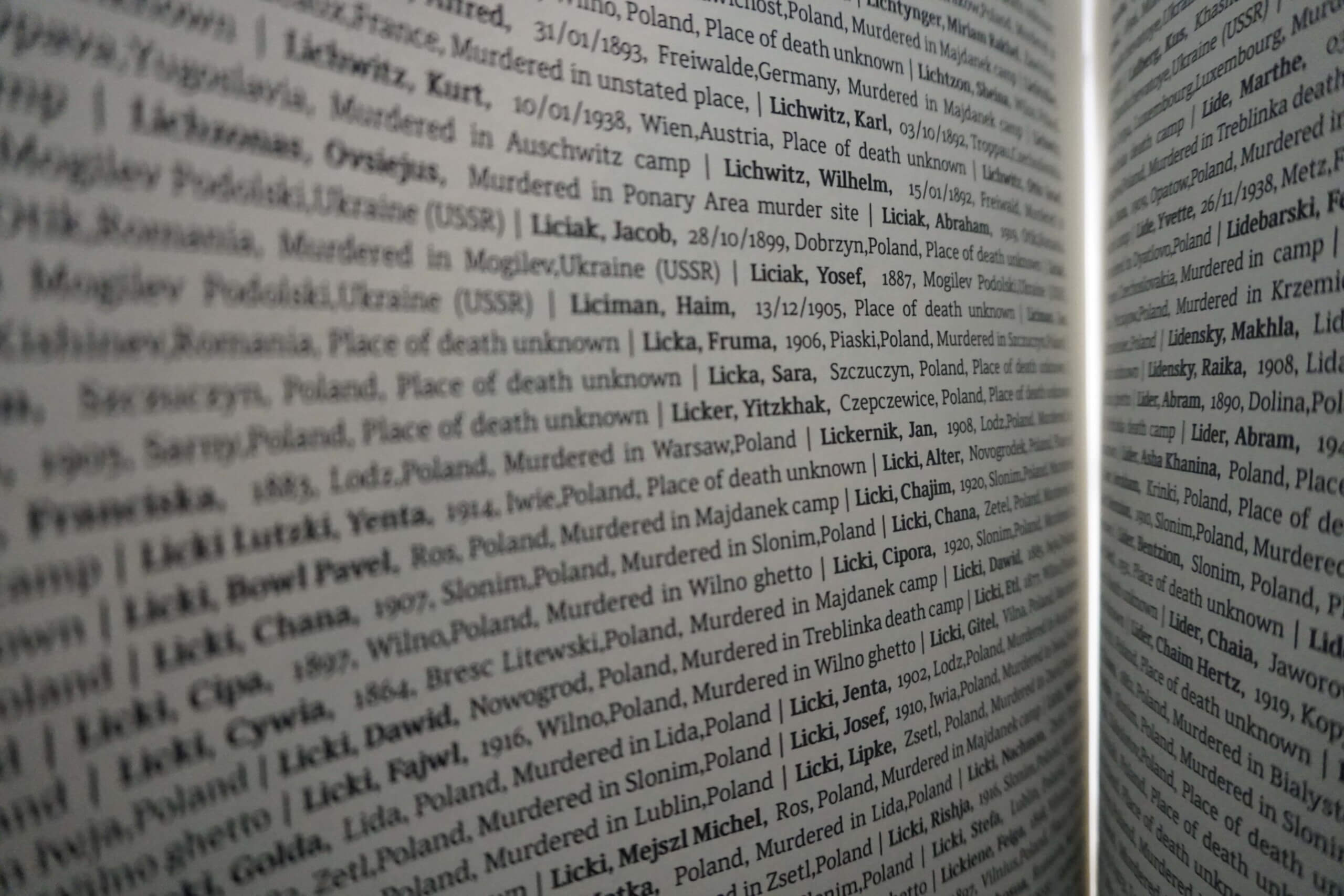
When educating about the enormous scope of the Holocaust, it is easy to lose sight of the individuals who lost their lives. The figure “six million” is overwhelming. Documenting names — one by one, often from fragments of personal testimony or scattered archival remnants — restores a sense of humanity to the unprecedented scale of the tragedy.
The recovered names come from many places: local registries, community records, deportation lists, and the Pages of Testimony that families and friends have submitted for decades. These short forms, handwritten or typed in multiple languages, often represent the only surviving trace of a life. They are not only data points but acts of mourning, love and refusal — refusal to allow history’s violence to erase the memory of the individual.
With five million names documented, Yad Vashem has brought millions of stories back into the moral and historical record. But the institution estimates that one million identities remain unaccounted for. The Nazis destroyed much of their records to hide their crimes, and there were entire communities that were completely wiped out and left no records behind.
The Last Survivors — and the First Digital Generation
The significance of this milestone is heightened by timing. We are living through the final years in which survivors can share their own stories. Their testimonies — powerful and irreplaceable — are entering the realm of historical record, rather than living experience.
As this generational transition unfolds, Yad Vashem is turning to digital tools. Machine-learning models can help researchers analyze millions of historical documents once too vast for human review. These technologies cannot replace lived memory, but they can recover names that would otherwise be permanently lost. If successful, Yad Vashem believes as many as 250,000 additional names could still be recovered.
In a sense, the project has become a race on two fronts: the natural passing of the survivors and the erosion of historical truth in an era of distortion and denial.
New York: Kristallnacht Commemoration with Global Echoes
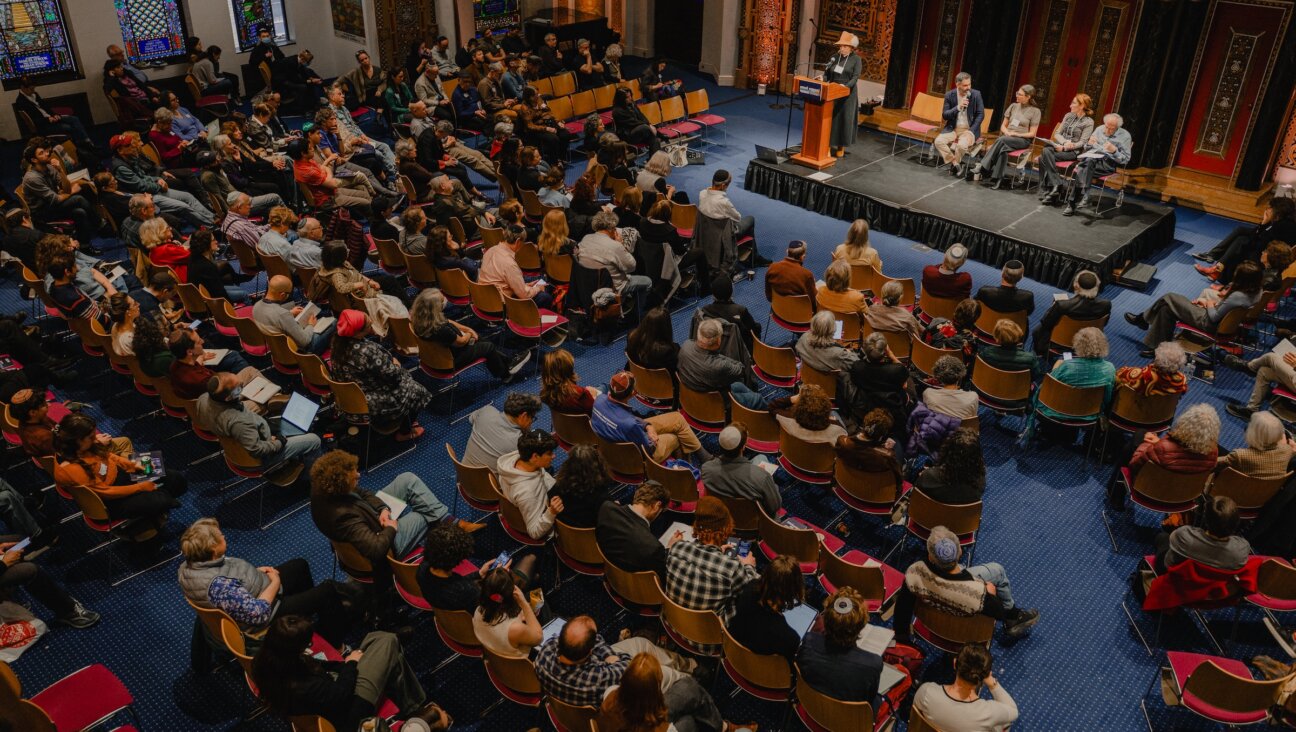
This year’s milestone was acknowledged during the Yad Vashem USA Foundation’s annual Kristallnacht commemoration in New York. Held on November 9, the event gathered community leaders and educators under the theme “Spread the Light” — an appeal to moral clarity at a time when antisemitism is again shaping public life.
Kristallnacht, the coordinated November 1938 pogroms often referred to as the “Night of Broken Glass”, marked a critical turning point in the Nazi’s attempt to annihilate the Jewish people. The foundation’s commemoration is a reminder that remembering the Holocaust is not confined to Europe or Israel but belongs to Jewish communities worldwide.
Speakers emphasized that remembrance is not simply a look backward but a form of civic action. Yad Vashem Chairman Dani Dayan framed the effort to document names as both historical obligation and contemporary responsibility. Recovering names, he noted, is about restoring dignity — but also about equipping future generations with the moral literacy to confront hatred in their own time.

Why Names Still Matter
The recovery of individual names in an age of digital overload negates both historical erasure and modern indifference. In Jewish tradition, names carry memory and obligation, rooting people in community and history. Documenting them in the context of the Holocaust pushes back against the Nazis’ attempt to erase humanity itself. Yad Vashem’s milestone is not an endpoint but a marker on an ongoing path to restore wholeness to a shattered past, and a reminder that remembrance remains an active and morally essential task in a time of rising antisemitism.
A Continuing Mission
One million victims remain unnamed. Countless stories remain incomplete. But the work continues: in Jerusalem, in New York, in classrooms across the world, and now increasingly in the digital space, where technology and memory intersect.
The message is clear: remembrance is not merely about preserving the past but about safeguarding the moral foundations of the future.
Those who wish to support this effort — whether through education, research, or engagement — can learn more through the Yad Vashem USA Foundation and the resources available on Yad Vashem’s website: https://www.yadvashem.org/