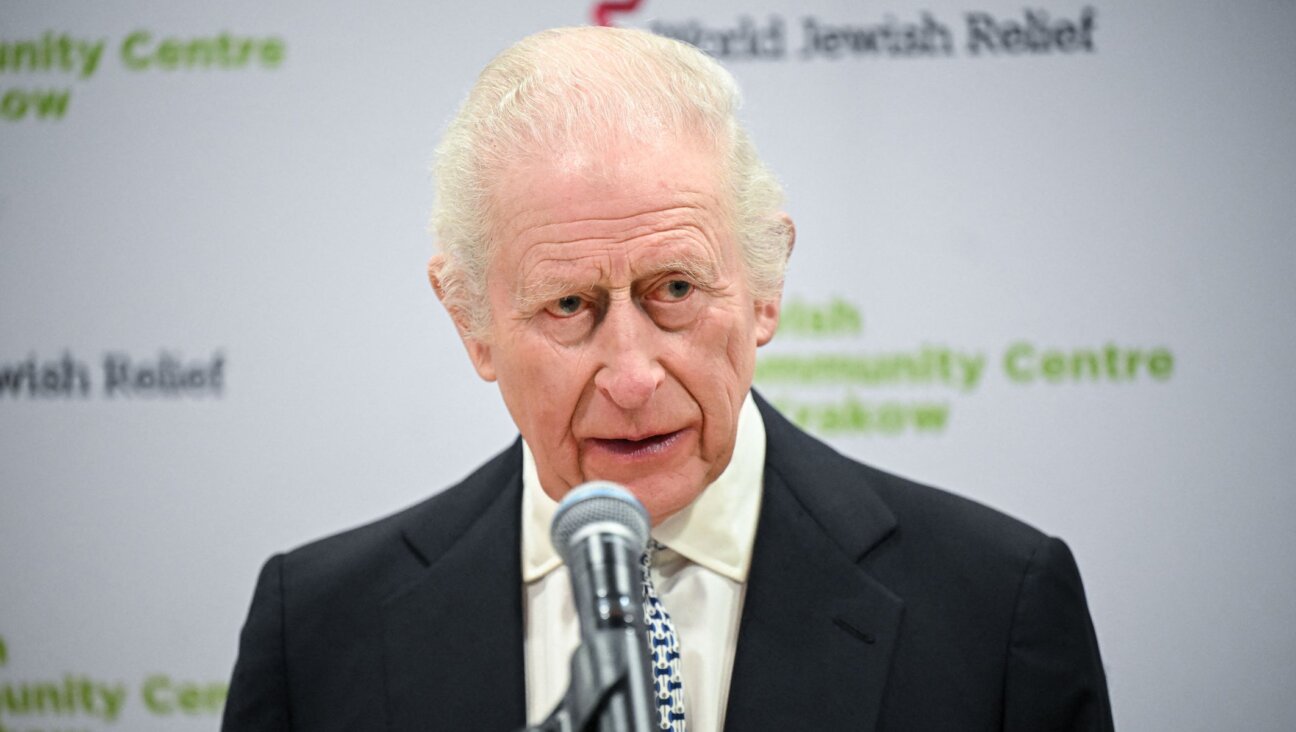
Faith heals the deepest wounds, soothes the greatest woes
Rooted in the Torah and expressed through sacred rituals, remembrance, prayer, and communal solidarity, Jewish tradition offers a pathway not only to survive suffering, but to transform it into resilience.
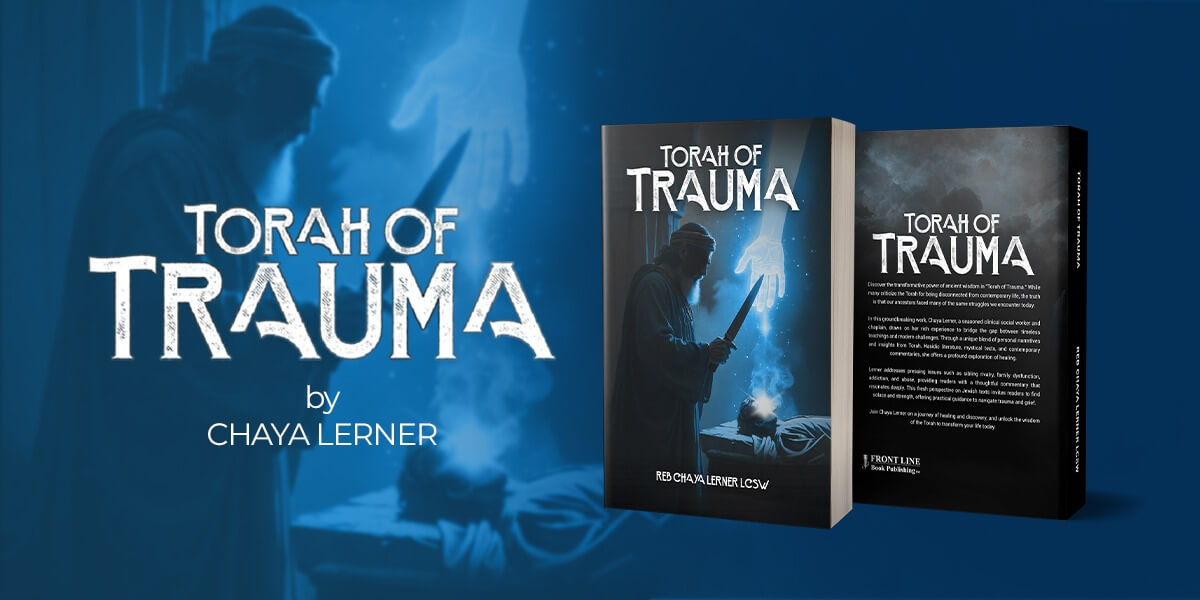
Photo by Torah of Trauma
Across centuries, the Jewish people have experienced collective trauma, from the ancient exiles to modern-day tragedies. Despite these painful occurrences, Jewish tradition is a real treasure trove of healing through religious practices and teachings of the Torah. The Torah shows people how to process and move beyond suffering, and how the Bible can be a source of resilience and hope, even when all seems lost.
One of the greatest Jewish principles of practice is the practice of remembrance. The Torah calls the Jewish people to recall past suffering, not to dwell in sorrow, but in order to take the moment to derive lessons and strength from their adversity. This is reflected in such rituals as Passover, which celebrates the Exodus from Egypt and the liberation of the Jewish people from slavery. Likewise, Tisha B’Av is a day of remembrance for the destruction of the First and Second Temples. These rituals are not reminders of sorrow but tools necessary for transmitting the lessons of history to future generations. Through the practice of remembrance, Jewish communities are reminded time and again of the strength they have shown over the ages and the necessity to cultivate hope for the future.
Aside from the remembering process, the Torah also provides organized practices designed to assist an individual in coping with loss and suffering. The mourning practices, like Shiva, the seven-day mourning period, and Yahrzeit, the yearly observance of a loved one’s death, are a supportive mechanism whereby both the individual and society can cope with their loss. The practices are social in nature, reinforcing the idea that healing is as much an individual process as it is a social one. The social aspect of the practices creates solidarity and provides mutual support so that everyone mourns together.
Prayer and fasting are of profound significance in the Jewish healing environment. Yom Kippur and Tisha B’Av are such special days for soul-searching, repentance, and spiritual rebirth. On such days, the individual and collective seek forgiveness, atonement, and healing. These are spiritual exercises aimed at cleansing the soul and reconciling with God, an indication of the faith that, irrespective of the intensity of the agony, a path to spiritual healing always exists.
Community lies at the core of healing trauma within Jewish life. At the center of healing is the idea of Klal Yisrael—the Jewish peoplehood. In times of adversity, Jewish communities unite through acts of interdependence, prayer, and shared ritual. The communal care creates a basis of resilience, reminding individuals that they are not isolated in their suffering. In fact, the community’s strength can become a healing force, repairing the damage of trauma.
Chaya Lerner’s book, Torah of Trauma, explores the spiritual and psychological aspects of healing in the Torah. In her book, Chaya addresses how scriptural lessons can guide individuals and communities through healing from trauma and transforming it into what makes them stronger. Chaya utilizes ancient Jewish sources and modern therapy methods to explain that the Torah offers healing tools. Chaya’s work emphasizes that healing from trauma is not merely an understanding of the past but also the transformation of that understanding into a path forward. The book explores how Jewish heritage offers hope, healing, and a way to heal the spirit after suffering.
In an age where trauma manifests in so many different disguises, affecting so many individuals and communities, the Jewish approach to healing with the Torah is a sage one. Chaya Lerner’s Torah of Trauma is a guide for those willing to discover how scripture can heal emotional and spiritual hurts. By immersion in the Torah, remembering past struggles, and participating in communal rituals, the Jewish faith traces a path to resilience, hope, and spiritual rebirth. Through these sacred rituals, individuals and communities can transform their pain into power, emerging from trauma not just as a whole but more resilient than ever before.
Essentially, Jewish heritage teaches the realization that collective trauma does not characterize the people, but rather completes them. By accepting the teachings of the Torah, individuals and communities can heal, not only for themselves, but for society as a whole as well. The teachings given within the Torah are an eternal reminder of redemption, a reminder that there is always space for renewal and development, even in the darkest of sufferings.
This is a moment of great uncertainty. Here’s what you can do about it.
We hope you appreciated this article. Before you go, we’d like to ask you to please support the Forward’s independent Jewish news this Passover.
This is a moment of great uncertainty for the news media, for the Jewish people, and for our sacred democracy. It is a time of confusion and declining trust in public institutions. An era in which we need humans to report facts, conduct investigations that hold power to account, tell stories that matter and share honest discourse on all that divides us.
With no paywall or subscriptions, the Forward is entirely supported by readers like you. Every dollar you give this Passover is invested in the future of the Forward — and telling the American Jewish story fully and fairly.
The Forward doesn’t rely on funding from institutions like governments or your local Jewish federation. There are thousands of readers like you who give us $18 or $36 or $100 each month or year.
Support our mission to tell the Jewish story fully and fairly.