
Gary A. Rendsburg
By Gary A. Rendsburg
-
News The Grand Scheme of Leviticus
A brilliant insight by one of the major biblical commentators of the Middle Ages is the discovery by Ramban (that is, Nahmanides, 1194-1270) that the tripartite division of the Tabernacle reflects the similar tripartite division of Mount Sinai. According to Exodus 19 and 24, during the revelation of the Decalogue, (a) the people as a…
-
News The Subversion of Myth
A major finding of modern biblical scholarship is the extent to which the narrative in the book of Exodus is informed by the ancient Israelites’ knowledge of Egyptian culture, religion and literature. The birth story of Moses in Exodus 2:1-10 provides an excellent illustration of both the extent of and the transformation involved in such…
-
Culture Comfort, Comfort
This week’s portion, Va-Et’hanan, includes two of the most famous sections of the Bible, a second version of the Ten Commandments in Deuteronomy 5:6-18, and the Shema in Deuteronomy 6:4-9. One could write endlessly about these crucial texts and their importance for the history of Judaism. However, I’ll focus instead on the Haftarah, Isaiah 40:1-26,…
-
Culture Determining the Bird
This column, both when written by myself and by others, typically dwells on the larger issues inherent in the particular portion — for example, a theological point, an ethical or moral lesson, a social observation, whatever it may be. I depart from that norm this week with a look into the arcane world of biblical…
-
Culture The Fate of Slaves in Ancient Israel
With this week’s Torah reading, called Mishpatim or “Rules,” the presentation of the laws of ancient Israel formally commences. Earlier sections of the Torah have occasional laws imbedded in them, such as the law of circumcision in Genesis 17 or the laws pertaining to Passover in Exodus 12. But these items are few in number…
-
News Misconceptions About the Ancient World
The weekly Torah portion of last week, Vayikra, and of this week, Tsav — the first eight chapters of Leviticus — present in great detail the various rituals and sacrifices performed by the priests in ancient Israel. Instead of concentrating on a particular aspect of the portion, this week’s column is devoted to a lesson…
-
News Common Names and Secret Names
One of the most enigmatic passages in the entire Torah appears in this week’s portion, Shemot. I refer to Exodus 3:13-14: And Moses said to God, “Behold I come to the children of Israel, and I will say to them, ‘The God of your fathers has sent me to you’; and they will say to…
-
News The Literary Effects of Wordplay
Readers of the Bible approach the subject from a variety of perspectives. People with a historical bent use the text to reconstruct the history of ancient Israel. People with a theological bent use the text to understand ancient Jewish theology and/or to derive lessons of moral theology that speak to us still today. People with…
Explore
Most Popular
- 1

Opinion Marco Rubio invoked a medieval antisemitic trope in justifying war with Iran
- 2

Fast Forward Chabad on high alert after false Tucker Carlson and Candace Owens war claims
- 3

News Reza Pahlavi, Iran’s exiled crown prince, has a plan for his people’s future — if they’ll have him
- 4
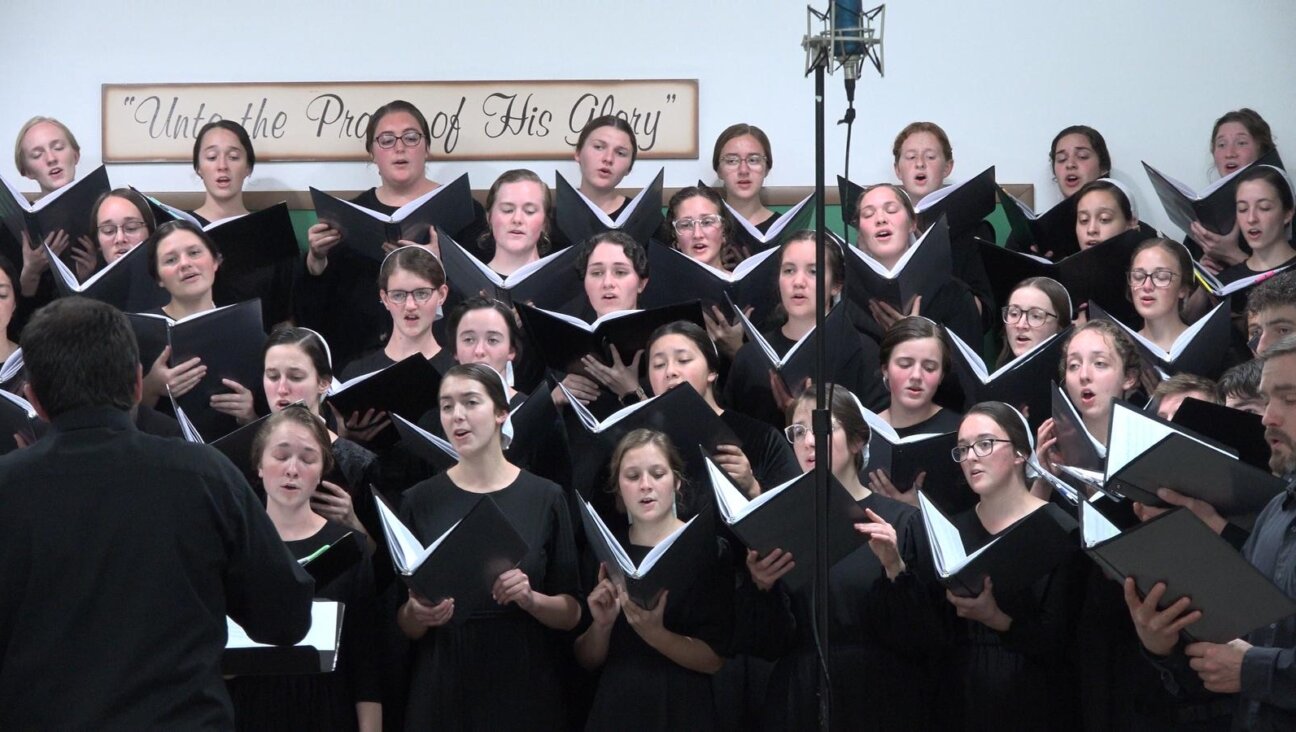
Culture How an Amish Mennonite school in Arkansas went viral with a song by an Orthodox Jew
In Case You Missed It
-
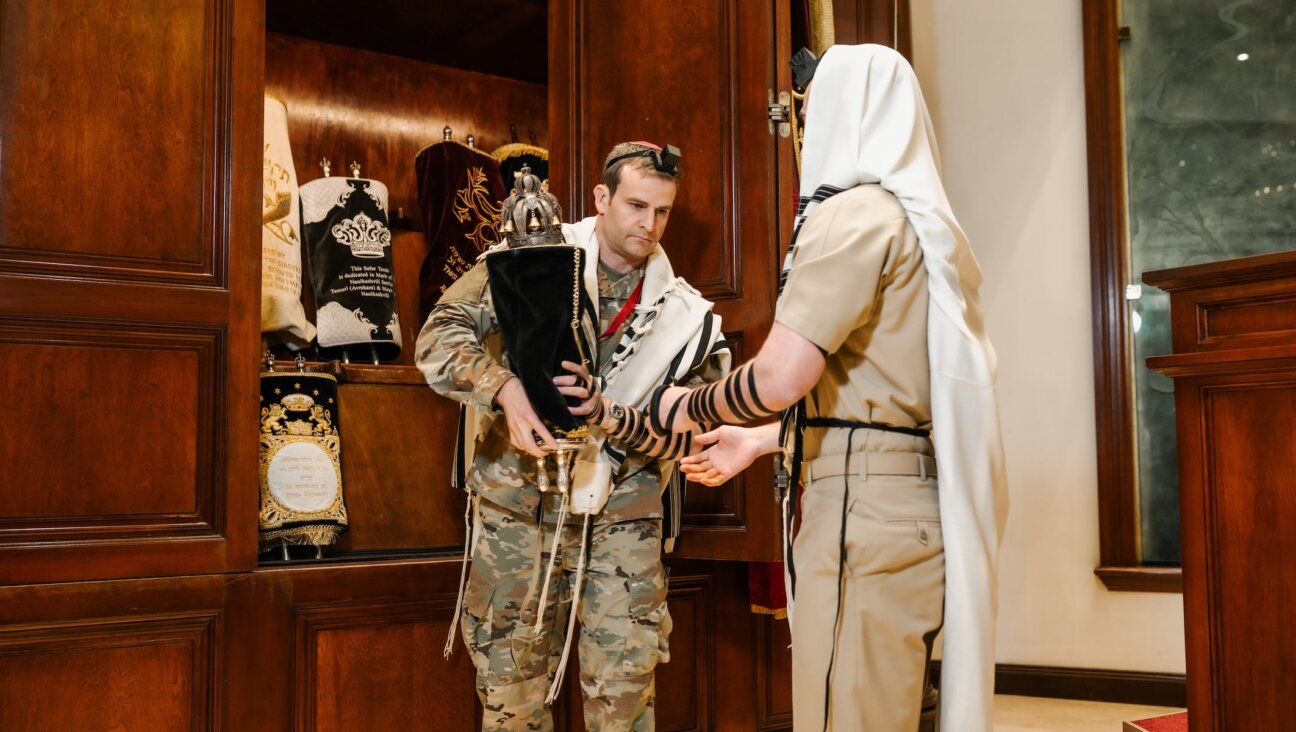
Fast Forward Jewish groups ask Pentagon to stop Messianic chaplains from wearing Jewish insignia
-

Fast Forward Lev Parnas, Jewish Trump ally turned critic, running for Congress as a Democrat
-
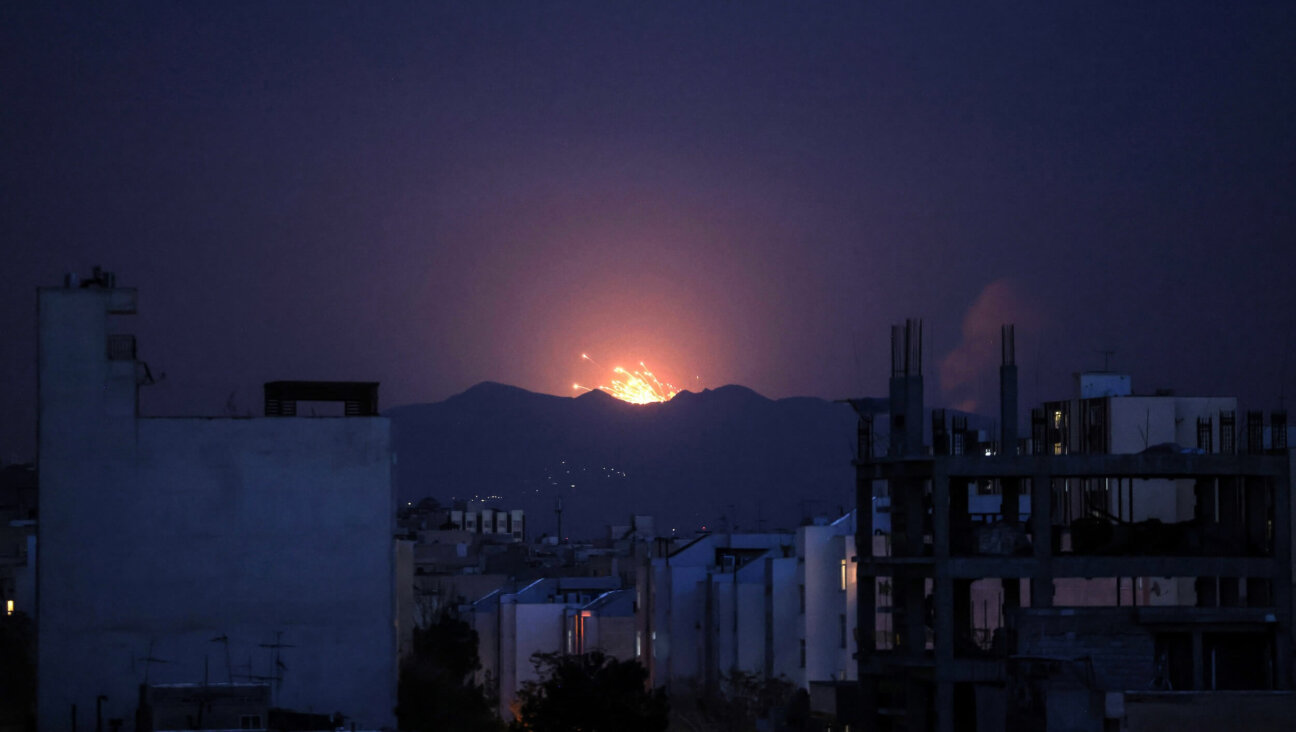
Opinion The real reason for the US war with Iran may have nothing to do with Israel
-

Culture As ‘Death of a Salesman’ returns to Broadway, the question remains — how Jewish is Willy Loman?
-
Shop the Forward Store
100% of profits support our journalism




