Exploring an Atlanta Tragedy
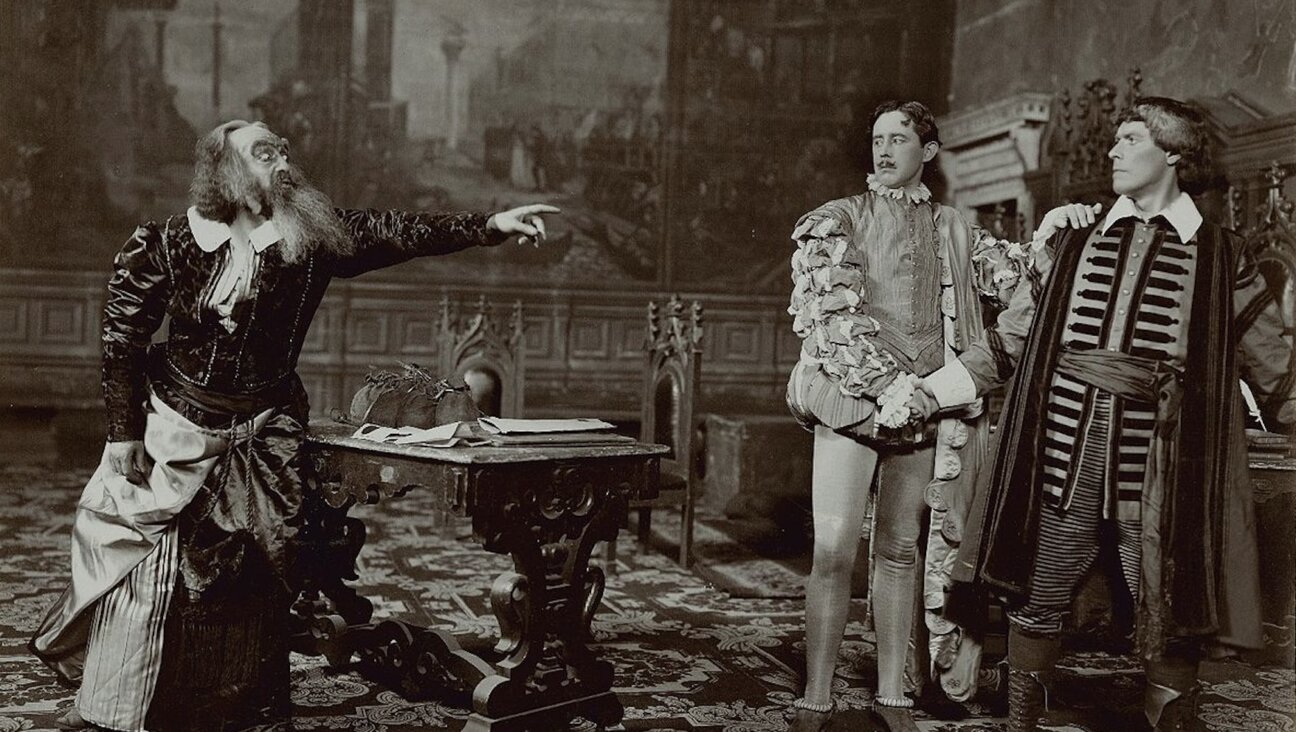
In April 1913, 14-year-old Mary Phagan was found raped and murdered in the basement of an Atlanta pencil factory. The police botched the initial forensic investigation and were casting about for leads when suspicion fell upon the Jewish factory manager, Leo Frank. Local journalists, who practiced Hearst-style yellow journalism, sensationalized the ensuing trial. A mob outside the courtroom chanted “Hang the Jew,” and Frank was convicted solely on the basis of circumstantial evidence. When the Georgia governor commuted Frank’s death sentence to life imprisonment, an antisemitic mob of prominent citizens kidnapped and lynched the alleged murderer.
Now, nearly a century later, the episode remains controversial. To explore the event, Atlanta’s William Breman Jewish Heritage Museum is developing a Leo Frank exhibition. Using newspaper articles, photographs, leaflets that Frank wrote while in prison and various other artifacts, Seeking Justice: The Leo Frank Case Revisited will chronicle the trial and lynching.
The Breman’s archivist, Sandra Berman, said in an interview that the Frank story shaped Jewish identity of the South. Prior to the trial, Berman said, Jews “felt very secure living in Atlanta and felt part of the overall general community, but the lynching undermined that feeling.” As a result, many Jewish families who had lived in Georgia for generations left and never came back. The trial also played an important role in the development of the Anti-Defamation League and other national Jewish organizations.
“Seeking Justice” is scheduled for a January 2008 premiere in Atlanta. Starting later that year, the exhibition will travel to other museums throughout the United States.
"Why I became the Forward’s Editor-in-Chief"

You are surely a friend of the Forward if you’re reading this. And so it’s with excitement and awe — of all that the Forward is, was, and will be — that I introduce myself to you as the Forward’s newest editor-in-chief.
And what a time to step into the leadership of this storied Jewish institution! For 129 years, the Forward has shaped and told the American Jewish story. I’m stepping in at an intense time for Jews the world over. We urgently need the Forward’s courageous, unflinching journalism — not only as a source of reliable information, but to provide inspiration, healing and hope.
Support our mission to tell the Jewish story fully and fairly.