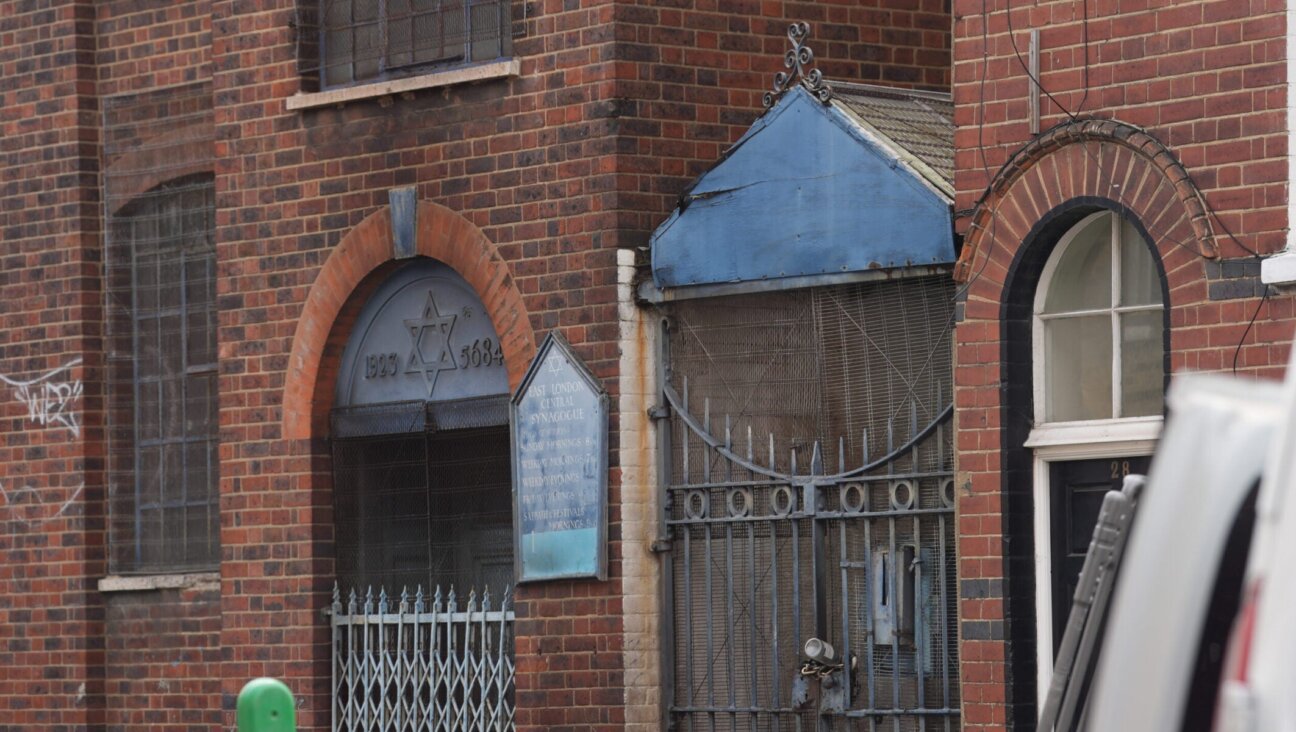
Emulate Our Ancestors
In his commentary on Chayei Sarah, Avrum Burg reflects on the life and nature of the Father of the Jewish people, Avraham. Burg points out that Avraham is not only pious and loving to God, but concerned for people of other nations. In addition to cultivating his divine relationship, he also wants to engage with others as a person of warmth, fairness, and integrity. We witness this commitment over the last several parshiyot, from his welcoming of the angels to his purchasing of Maarat HaMachpela in this week’s parsha.
Nowhere is this more visible than in Avraham’s confrontation with God regarding the people of Sodom and Gomorrah. Midrash Tanhuma, reflecting on parshat Chayei Sarah, tells a beautiful midrash. Discussing the importance of kavanah, mindfulness or intention during prayer, the rabbis declare that Abraham is the highest exemplar. They say, “…And nobody inclined their mind and heart like our Father Abraham”. The rabbis continue on to bring an amazing example of Abraham’s mindful and heartfelt prayer: they point to Abraham challenging God. When God tells Abraham that he is going to destroy the cities of Sodom and Gomorrah because of their wickedness, Abraham fights for the innocent, claiming that there must be some number of righteous people within the city’s gates. He asks: “Will You sweep away the innocent along with the guilty?… Far be it from you to do a thing like that!… Shall not the Judge of all the earth deal justly?”
One way of understanding this midrash is to see that not only are Avraham’s actions informed by his view of the world, of justice and fairness, but they also inform his relationship with God. This integrated relationship with God and the world is what defines Avraham’s greatness.
So, how can we learn to pray like Avraham?
In Masechet Brachot, R. Hiyya bar Abba says: “A person should always pray in a place that has windows” Why do we need to pray in a place that has windows? Obviously because we need to look outside. But more than that, we need to pray in a place that has windows because true prayer is not just introspection; it requires engagement with what is beyond the synagogue’s walls.
Avraham and Sarah’s place of burial (and subsequently the place of burial of all of the patriarchs and most matriarchs) has become a place of prayer. Sadly, over the last decades it has also become a place that does not follow Abraham’s integrated model of both heavenly and earthly loving engagement. As a rabbinical school student studying in Israel, I feel that this parsha challenges me to open a window, and look at what is going on in Hebron today. I am blessed to be a part of “Project Hayei Sarah”, a group of rabbinical students, rabbis, Jewish educators and lay leaders who have spent time in Hebron and are grappling with the difficult realities we encountered there.
Avrum Burg writes that parshat Chayei Sarah is really about life and not about death. In that spirit, I wonder, what if we chose to emulate our ancestors in life instead of guarding them in death? This week of Hayei Sarah, let us honor the memory of Abraham as he was at his best in life: speaking up for the innocent, fighting for justice. May we find what true prayer requires of us: the strength to look at what is going on around us, and the chutzpah to demand that things be different. May we open a window: l’kaveyn daateynu, educate ourselves about the situation in Hebron, v’lkaveyn leebenu, open our hearts to the suffering in the holy city of Hebron. May we find that opening that window will do more than challenge us to ask hard questions, but that it will bring in air and light, and hope for a better future for all of us.
Ken yehi ratzon.
Alana Alpert is a community organizer and rabbinical student at Hebrew College.
Why I became the Forward’s Editor-in-Chief

You are surely a friend of the Forward if you’re reading this. And so it’s with excitement and awe — of all that the Forward is, was, and will be — that I introduce myself to you as the Forward’s newest editor-in-chief.
And what a time to step into the leadership of this storied Jewish institution! For 129 years, the Forward has shaped and told the American Jewish story. I’m stepping in at an intense time for Jews the world over. We urgently need the Forward’s courageous, unflinching journalism — not only as a source of reliable information, but to provide inspiration, healing and hope.
Support our mission to tell the Jewish story fully and fairly.