Dictionary Writers Hope Words Can Heal
In the south of France, two religious leaders are taking steps to heal the rifts between Jews and Muslims in their country. Rabbi Haïm Harboun and Habib S. Kaaniche, an imam, are planning to launch an unusual dictionary in three languages: Hebrew, Arabic and French, followed by biographical sketches of great figures of Judaism and Islam.
This is not their first project in common. Moroccan-born Harboun, 74, and Tunisian-born Kaaniche, 56, met in 1993 after a Jewish cemetery in Carpentras was desecrated (allegedly by skinheads), the rabbi founded, with the imam as president, an organization called Association des Amities Judeo-Musulmanes in Aix-en-Provence. The group’s goal is to bring together the two religious communities in a city in which 15,000 Muslims outnumber Jews eight to one. The alliance later turned into close friendship between the families of the two men, thanks to their common North African origin.
To be sure, the two have their disagreements. Though committed to the dictionary concept, Harboun, the author of some 30 books, remains worried about its scope. “How do you choose which words to include and which to reject?” the rabbi asked in a recent interview with his friend and co-lexicographer. Kaaniche responded with the smile of someone who has had this discussion before. “Haim, we both know that most people currently use about 1,200 words in everyday life, the words they read in the press and hear on television,” he replied. “Those are the popular expressions I’d select.”
And whatever their differences, both men seem excited about the biographical supplement on the lives of influential Jewish and Muslim personalities, which they feel will serve to highlight the interplay of ideas that took place between the two religions in the past.
With a firm commitment from the Observatoire de Religion, part of the political science unit of University of Provence, where Kaaniche is a resident scholar, publication is set to take place sometime in the next three years.
Claudia Z. Carlin is a reporter based in Europe.
Why I became the Forward’s Editor-in-Chief
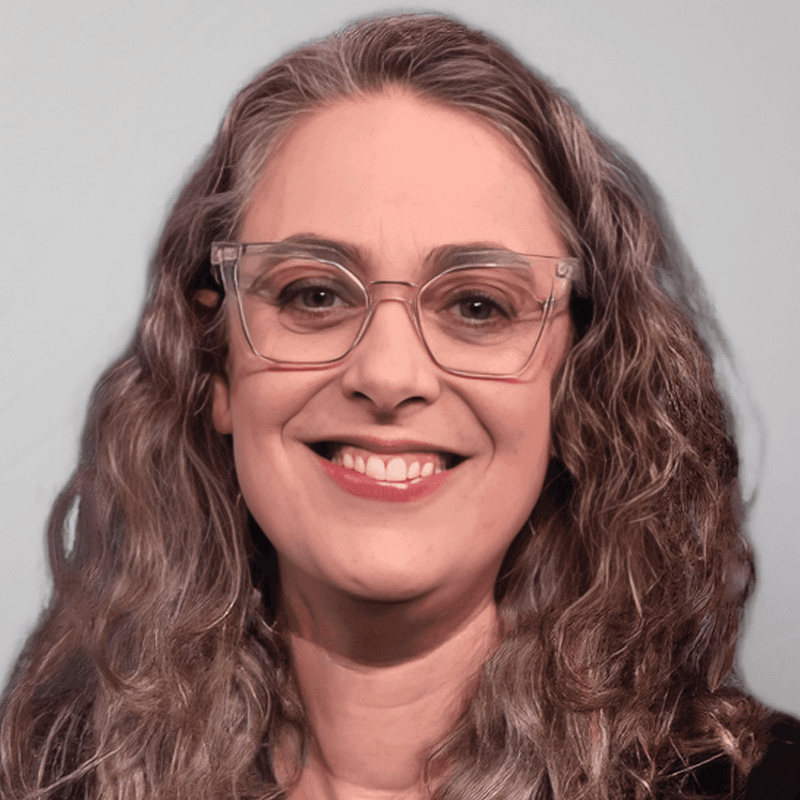
You are surely a friend of the Forward if you’re reading this. And so it’s with excitement and awe — of all that the Forward is, was, and will be — that I introduce myself to you as the Forward’s newest editor-in-chief.
And what a time to step into the leadership of this storied Jewish institution! For 129 years, the Forward has shaped and told the American Jewish story. I’m stepping in at an intense time for Jews the world over. We urgently need the Forward’s courageous, unflinching journalism — not only as a source of reliable information, but to provide inspiration, healing and hope.
Support our mission to tell the Jewish story fully and fairly.