Images on Nightly News Pose Challenge
Teaching about Israel was a major topic of conversation at a recent conference organized by the Coalition for the Advancement of Jewish Education.
The three-day meeting, held in late June at Hofstra University on Long Island, featured a number of sessions designed for educators who are grappling with different ways to present Israel to their students during this time of turmoil in the Middle East.
In recent years, as the intifada has progressed, the images of Israel that predominate on the American airwaves have been those of bloodshed, rage and hostility. Some educators fear that this violence has altered the way young Americans view Israel and their connection to the biblical land.
“The last few years have created many challenges when so much of the news coming out of Israel has been depressing and tragic,” said Melanie Berman, co-chair of the conference and head of the Judaic studies department at Mid-Peninsula Jewish Community Day School in Palo Alto, Calif. “We have a challenge as educators in our own sorting out of the issues.”
Sylvia Abrams, the past chair of the coalition and the dean of Jewish education at the Laura and Alvin Siegal College of Judaic Studies in Cleveland, said that there is often a disconnect between what children are taught in school and what they learn at home and see on television. “Teachers try to run away from the conflict and find idealized things to show students,” Abrams said. “You don’t want the ideal and the real to be so far apart that the mythical Israel is different from what the real Israel is.”
Avraham Infeld, interim director of Hillel: The Foundation for Jewish Campus Life, said that one important step is to begin teaching students to love Israel rather than trying to coerce them into liking its policies. “There are times I don’t like Israel, but I’ve never stopped loving Israel,” he said. “Liking is built into the way we behave. Love comes out of the intrinsic relationship between the individual and the Jewish people, and the Jewish people and the State of Israel.”
Infeld, who presented a keynote address at the conference, added that Jewish educators should encourage and facilitate “the variety of opinions about Israel… but out of a sense of love of Israel.”
Berman echoed Infeld’s sentiments. “A strong love for the State of Israel does not require us to like or agree with all of Israel’s policies and actions,” she said. “Healthy analysis and discussion of the historical, political and human realities facing Israel is a critical part of our role as Jewish educators.”
One of the conference’s main goals, Berman said, was to help early childhood and day school educators to “strengthen the connection between students and the Land of Israel.”
The conference also dealt with when to start teaching about modern Israel. “Around the sixth grade is when most teachers start this education. But what do we do about second-, third- and fourth-graders?” Abrams asked. She said that educators need to start early and advocated using material that the National Council for Social Studies released about teaching young children to become critical of the media and helping them cope with tragedy — particularly important lessons in an age when suicide bombings and violent conflict make regular appearances on the nightly news.
Why I became the Forward’s Editor-in-Chief
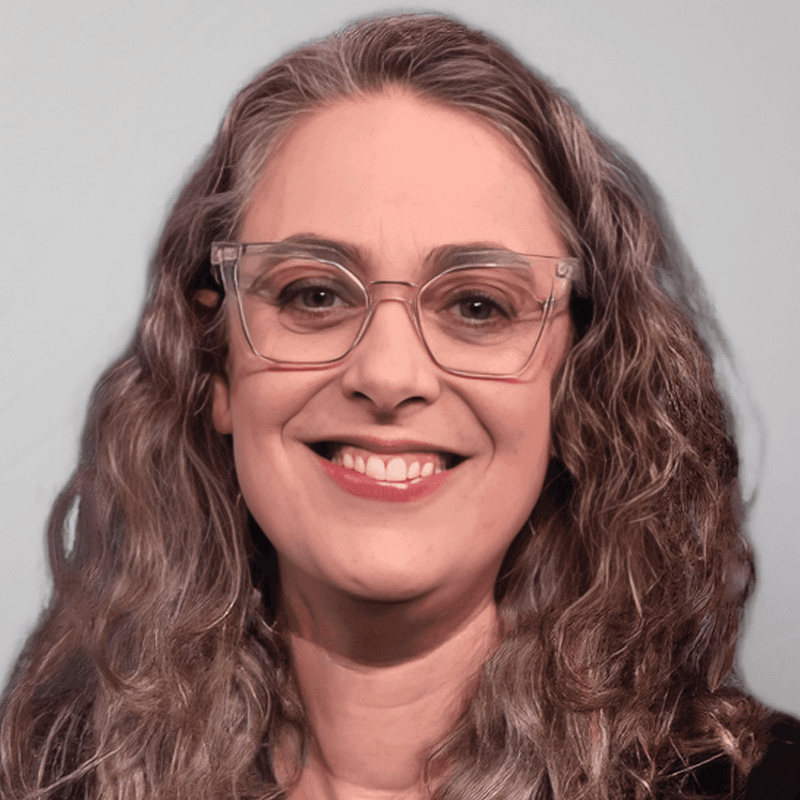
You are surely a friend of the Forward if you’re reading this. And so it’s with excitement and awe — of all that the Forward is, was, and will be — that I introduce myself to you as the Forward’s newest editor-in-chief.
And what a time to step into the leadership of this storied Jewish institution! For 129 years, the Forward has shaped and told the American Jewish story. I’m stepping in at an intense time for Jews the world over. We urgently need the Forward’s courageous, unflinching journalism — not only as a source of reliable information, but to provide inspiration, healing and hope.
Support our mission to tell the Jewish story fully and fairly.