Bank of Israel Chief: Peace Could Boost Economy
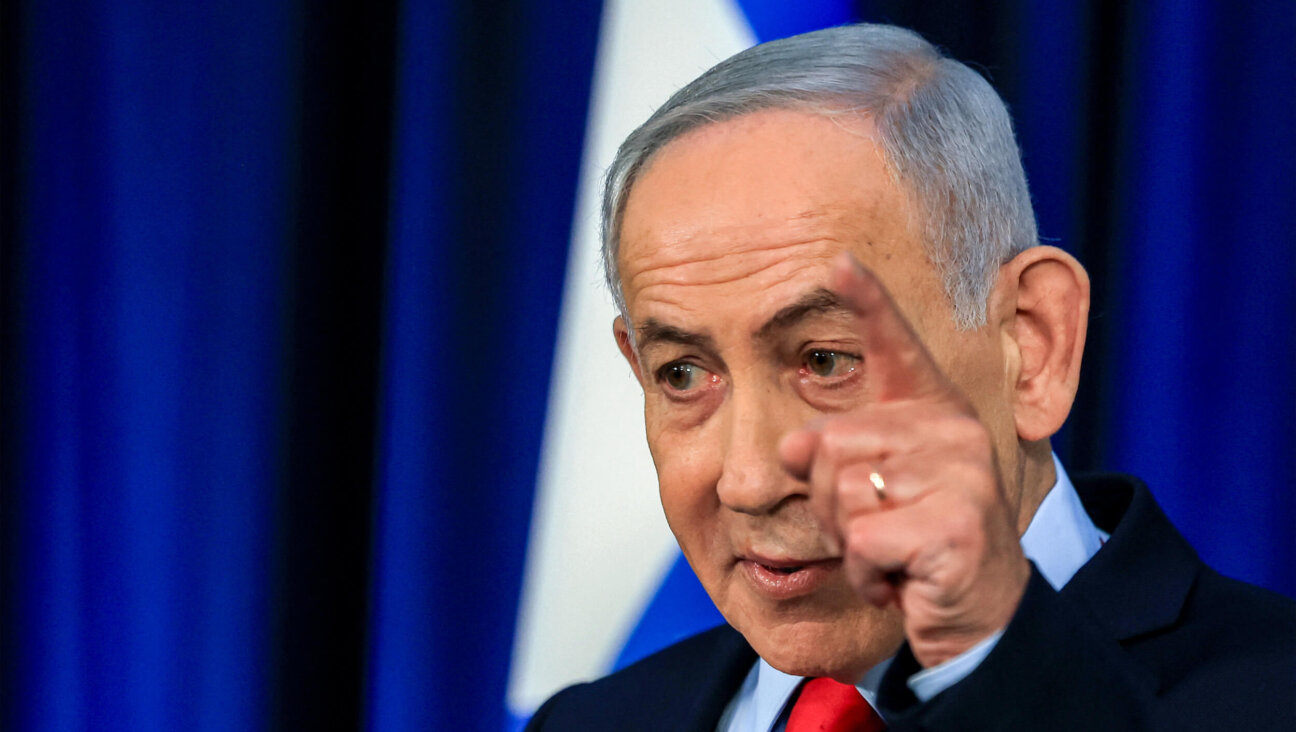
Bank of Israel Governor Stanley Fischer said Sunday that the country could expect an economic growth in the range of 7 percent should a peace agreement be signed with the Palestinians.
The difference would be evident in the amount Israel needs to invest in security, Fischer told delegates to the Herzliya Conference. The last five years has seen economic growth of up to 5 percent, said Fischer. “So with peace agreements and conditions, we could have a growth of more like 6 or 7 percent,” said Fischer.
National Security Adviser Uzi Arad told delegates to the conference earlier Sunday that the Palestinian Authority’s “policy of refusal” was to blamed for stalled peace negotiations.
Palestinian President Mahmoud Abbas was “once too strong, once too weak, once is waiting for elections, other times he’s moody, and at a different time he’s waiting for an Arab League conference,” Arad said.
“The reasons may change but the Palestinian policy of refusal continues, refusal to negotiate. It’s very disappointing,” said Arad, warning that such reluctance “will become a problem for the Palestinians.”
Nevertheless, Arad said such a stalemate could be overcome and negotiations may well resume.
Arad also lambasted Palestinian Prime Minister Salam Fayyad for supporting a boycott of Israeli products made in West Bank settlements. Fayyad is set to address the conference on Tuesday alongside Defense Minister Ehud Barak.
This is a moment of great uncertainty. Here’s what you can do about it.
We hope you appreciated this article. Before you go, we’d like to ask you to please support the Forward’s independent Jewish news this Passover. All donations are being matched by the Forward Board - up to $100,000.
This is a moment of great uncertainty for the news media, for the Jewish people, and for our sacred democracy. It is a time of confusion and declining trust in public institutions. An era in which we need humans to report facts, conduct investigations that hold power to account, tell stories that matter and share honest discourse on all that divides us.
With no paywall or subscriptions, the Forward is entirely supported by readers like you. Every dollar you give this Passover is invested in the future of the Forward — and telling the American Jewish story fully and fairly.
The Forward doesn’t rely on funding from institutions like governments or your local Jewish federation. There are thousands of readers like you who give us $18 or $36 or $100 each month or year.
Support our mission to tell the Jewish story fully and fairly.