Days after yeshiva raid, NYPD disperse crowd at Brooklyn synagogue

Image by Getty Images
(JTA) – In the latest dustup between New York authorities and Orthodox Jews in Brooklyn, police broke up a gathering of at least several dozen men at a Hasidic synagogue on Wednesday morning.
Videos circulating on the messaging app WhatsApp showed police officers holding the doors of a synagogue on South 8th Street in Williamsburg as dozens of men exited the building.
It is unclear if the men had gathered for services or for yeshiva studies, but several of the men carried tefillin, a ritual object used during morning prayers. Both kinds of gatherings are barred under an executive order aimed at slowing the spread of the coronavirus.
The gathering comes as New Yorkers grow increasingly weary of social distancing after two months under a stay-at-home order, and as other parts of the state begin to reopen. Within the haredi Orthodox community in Brooklyn, several breaches of social distancing, including a large Hasidic funeral that drew thousands into the streets, have led to tensions with city authorities.
This week, Mayor Bill de Blasio called out Jewish violators of distancing rules for a second time in a tweet that his political adversaries, including Texas Sen. Ted Cruz, are criticizing as unfairly targeting Jews at a time when many New Yorkers are breaking the rules. The mayor also vowed Tuesday to shut down underground schools that he said tipsters had been warning city officials about.
Several parents told the Jewish Telegraphic Agency this week that yeshivas have reopened with altered schedules and sometimes in different locations, apparently to evade notice. On Monday, police shut down one yeshiva after officers found more than 60 students in the school, many of whom were without masks and not practicing social distancing.
The post Days after yeshiva raid, New York police disperse crowd at Brooklyn synagogue appeared first on Jewish Telegraphic Agency.
Why I became the Forward’s editor-in-chief
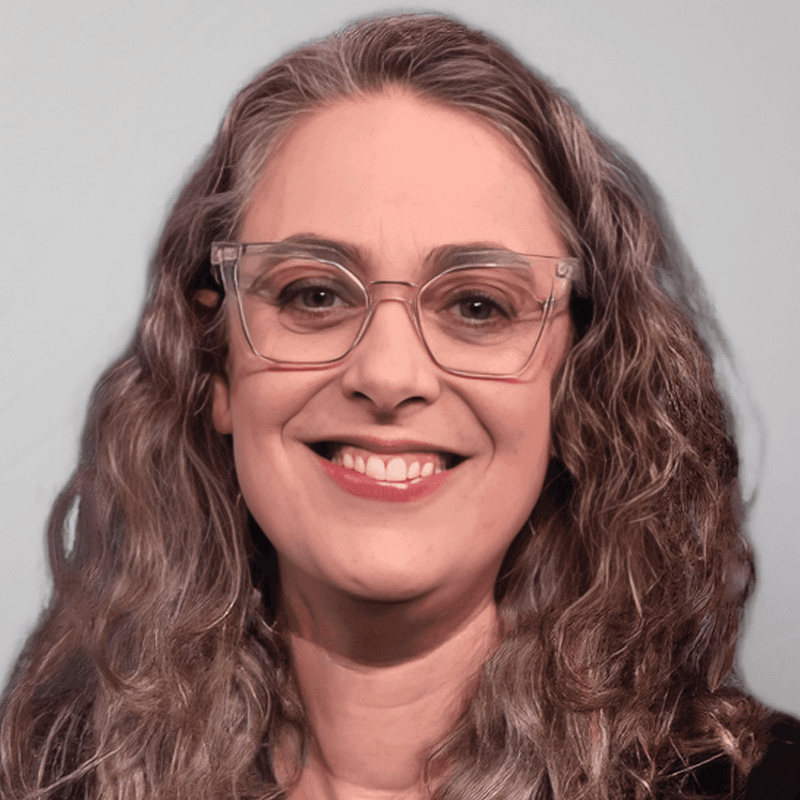
You are surely a friend of the Forward if you’re reading this. And so it’s with excitement and awe — of all that the Forward is, was, and will be — that I introduce myself to you as the Forward’s newest editor-in-chief.
And what a time to step into the leadership of this storied Jewish institution! For 129 years, the Forward has shaped and told the American Jewish story. I’m stepping in at an intense time for Jews the world over. We urgently need the Forward’s courageous, unflinching journalism — not only as a source of reliable information, but to provide inspiration, healing and hope.
 , editor-in-chief
Support our mission to tell the Jewish story fully and fairly.