Israeli pop star remakes AI music video showing war’s end with real scenes of freed hostages
When Yoni Bloch used artificial intelligence to create visuals for his song ‘A Happy Ending’ in January, he never imagined that, just nine months later, life would imitate his art

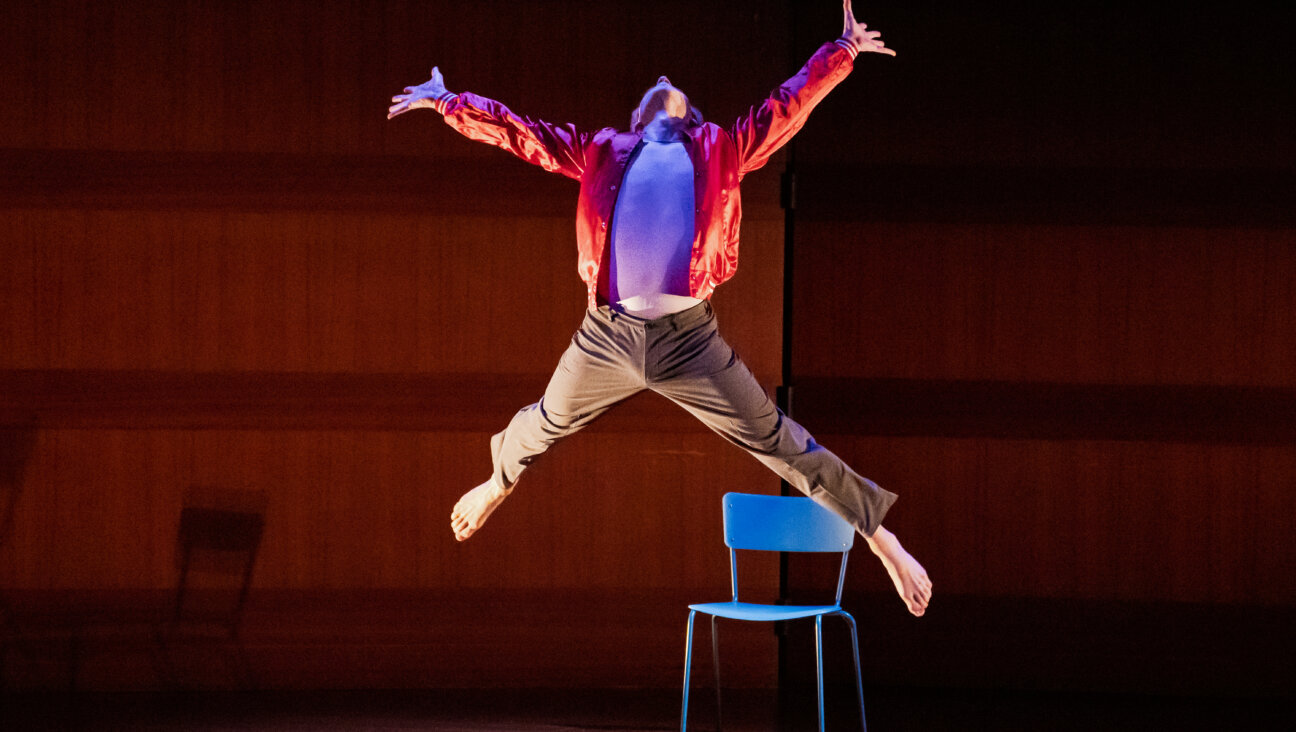
An artificial intelligence clip of Israelis celebrating the release of the hostages (left) alongside a clip of Hostage Square in Tel Aviv (right) in Yoni Bloch’s new music video. Screenshot of music video
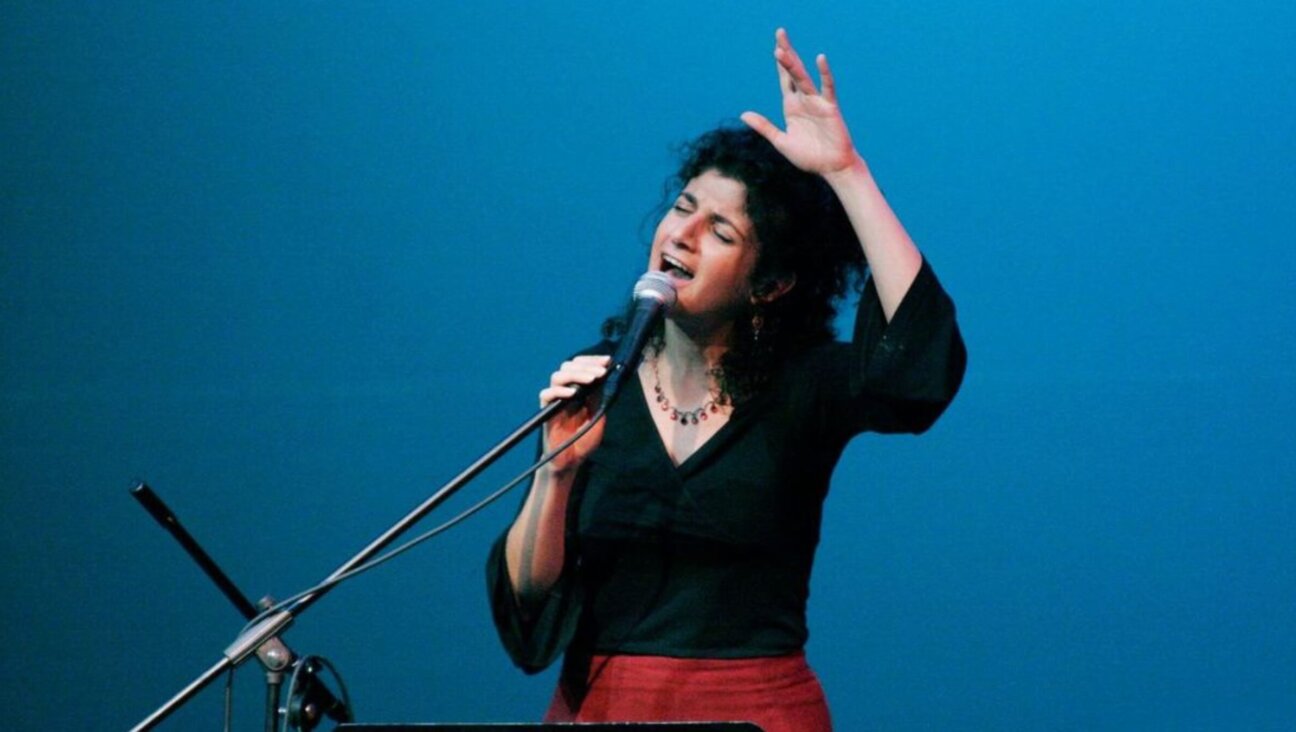
(JTA) — When Israeli pop star Yoni Bloch created a music video in January depicting scenes of the Israeli hostages returning through the use of artificial intelligence, it was meant as a hopeful fantasy.
At the time, Bloch’s song, “Sof Tov” or “A Happy Ending,” went viral in Israel for offering optimism for the release of the nearly 100 hostages still held in Gaza. It also envisioned peace in the region accompanying the end of the war in Gaza.
Now, nine months later, after the remaining 20 living hostages in Gaza were finally reunited with their families in Israel, Bloch has remade the music video with real-life scenes that mirror those previously only seen through AI.
The new video features emotional clips of the hostage families rejoicing at the news of the ceasefire deal between Israel and Hamas in Hostages Square in Tel Aviv, as well as clips of them embracing their loved ones after two years of captivity.
“Unbelievable that the clip came true❤️🎗️,” read the caption of a post of the two videos on Bloch’s Instagram account.
Praise for the new music video resounded in the comments of Bloch’s post, with one user commenting, “You are a genius. It looked so far away from us. Dreams really do come true.”
While the release of the living hostages has been met with celebration across Israel, the slow repatriation of the deceased hostages in Gaza, in part because the location of some of the bodies is unknown, has stirred frustration among the Israeli public.
“Stunning and exciting but not everyone has returned yet 💛 💛 💛,” wrote one user in the comments of Bloch’s post.
Others also shared that Bloch’s vision for regional peace in the original music video (and his aspiration of performing alongside Taylor Swift) had not yet been realized. The new video does not include visualizations of a postwar realignment in the region, in keeping with the uncertainty about the broader implications of the ceasefire.
On Wednesday, Vice President J.D. Vance met with Israeli Prime Minister Benjamin Netanyahu in Israel and said that he hoped the new ceasefire deal could serve as an “opportunity to build on the Abraham Accords.”
“Only world peace and Taylor Swift is left and the clip is complete,” wrote one user in the comments of the Instagram post.
This is a moment of great uncertainty. Here’s what you can do about it.
We hope you appreciated this article. Before you go, we’d like to ask you to please support the Forward’s independent Jewish news this Passover. All donations are being matched by the Forward Board - up to $100,000.
This is a moment of great uncertainty for the news media, for the Jewish people, and for our sacred democracy. It is a time of confusion and declining trust in public institutions. An era in which we need humans to report facts, conduct investigations that hold power to account, tell stories that matter and share honest discourse on all that divides us.
With no paywall or subscriptions, the Forward is entirely supported by readers like you. Every dollar you give this Passover is invested in the future of the Forward — and telling the American Jewish story fully and fairly.
The Forward doesn’t rely on funding from institutions like governments or your local Jewish federation. There are thousands of readers like you who give us $18 or $36 or $100 each month or year.
Support our mission to tell the Jewish story fully and fairly.