Columbia selects Jennifer Mnookin, Jewish U of Wisconsin chancellor, as its next leader
Mnookin, a legal scholar, escalated her family’s Jewish engagement when she asked to have a bat mitzvah
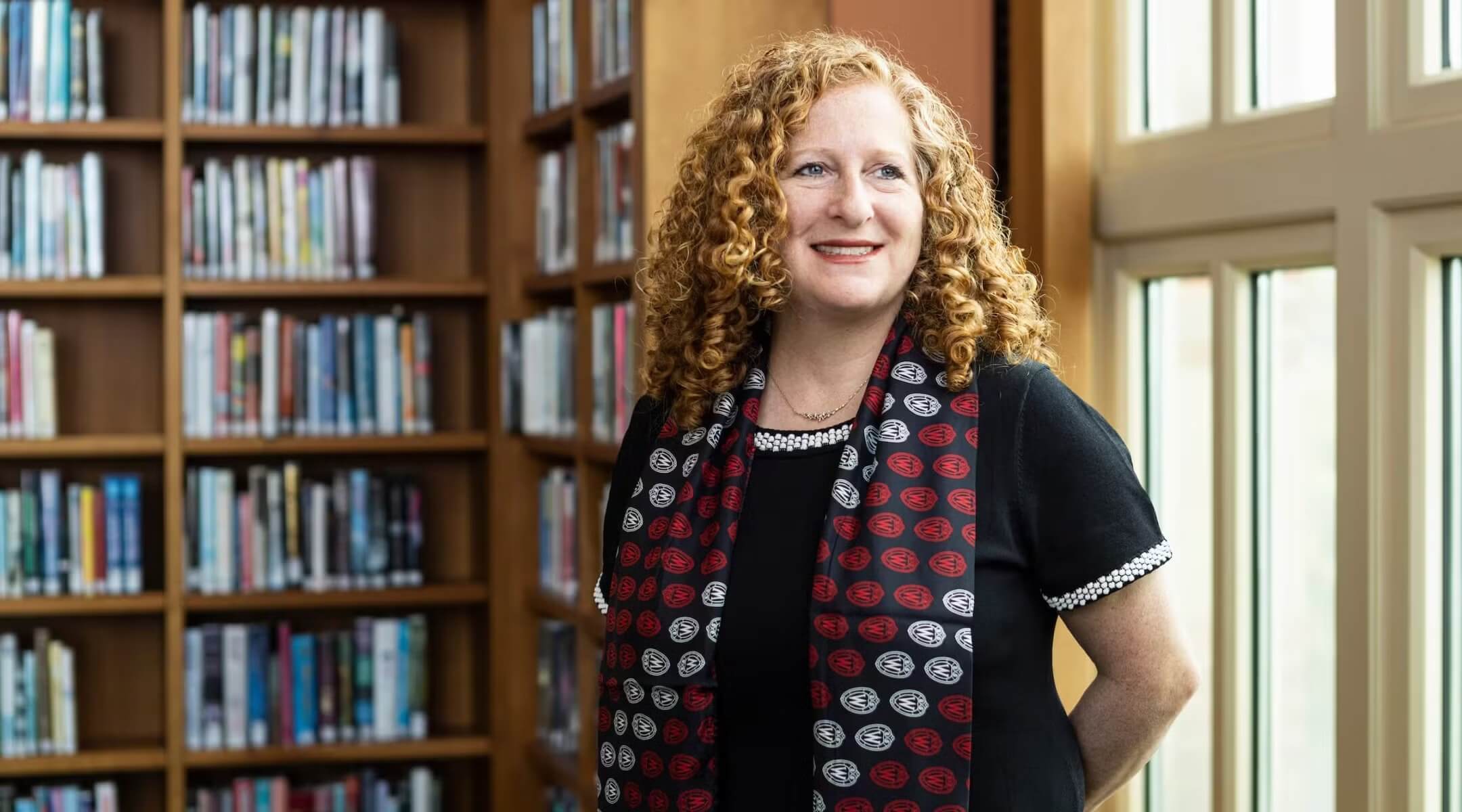
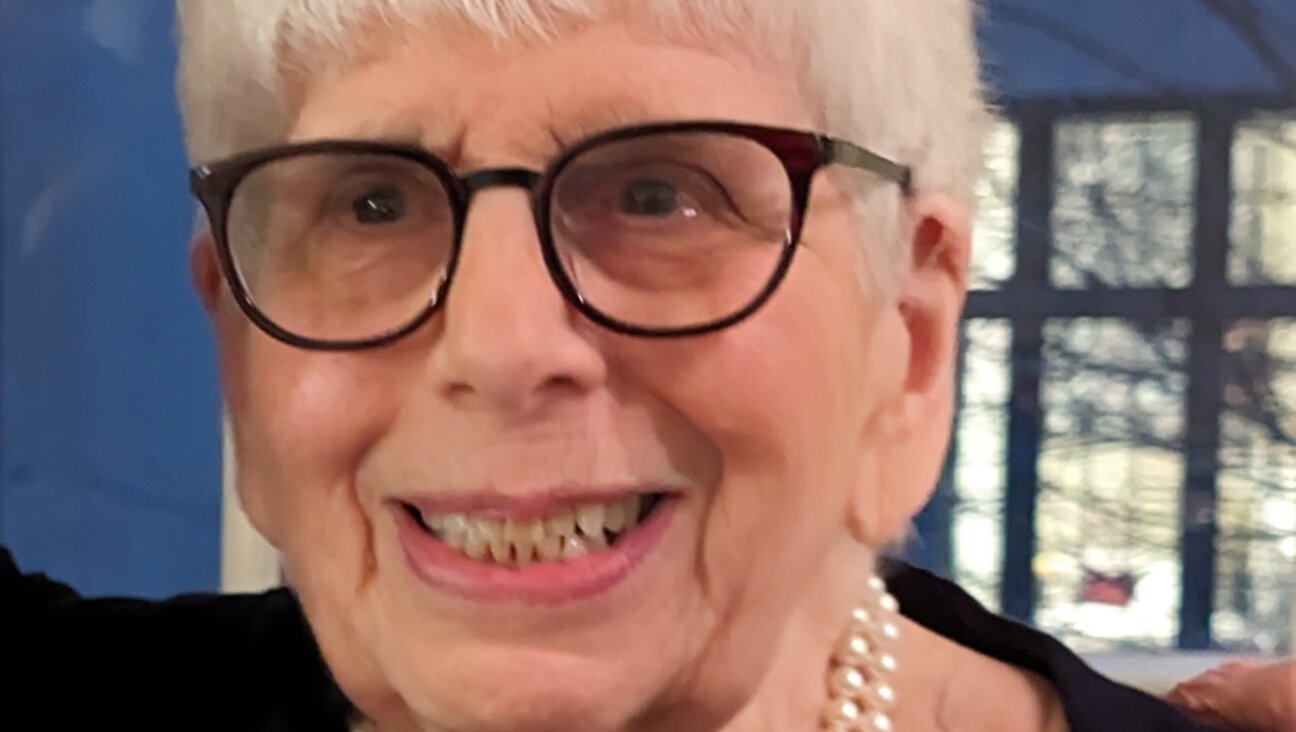
Jennifer Mnookin, the chancellor of the University of Wisconsin, has been chosen to lead Columbia University. Photo by Max Gerber/University of Wisconsin
(JTA) — Three different women have taken turns as Columbia University’s president amid ongoing turmoil surrounding the handling of pro-Palestinian protests on the New York City campus. Now, Columbia has invited a fourth — and the first to be Jewish — to try her hand at running the Ivy League school.
Jennifer Mnookin, the chancellor of University of Wisconsin, has been chosen as Columbia’s next president, the co-chairs of the school’s board of trustees announced on Sunday. She will be the school’s first Jewish leader since Oct. 7, 2023, when Hamas attacked Israel, triggering a war in Gaza and a student protest movement in the United States of which Columbia was an epicenter.
Mnookin, a legal scholar, served as dean of the University of California, Los Angeles School of Law before moving to Wisconsin in 2022. At least two other candidates reportedly declined the Columbia position prior to her selection.
She takes the helm at a delicate time for Columbia as it continues to reel from the fallout of the student protests, which has included included penalties from the Trump administration, rapid leadership changes and ongoing fear and anxiety among many Jewish students.
“I am honored and thrilled to join Columbia University at this important moment,” Mnookin said in a statement released by the university. “Columbia is defined by rigorous scholarship, a deep commitment to open inquiry, world-class patient care, and an inseparable and enduring connection to New York City, the greatest city in the world.”
She follows three other women who struggled amid the turmoil. The president in charge on Oct. 7, Nemat Minouche Shafik, cited the “period of turmoil” that followed when she resigned in 2024; she had faced criticism from members of Congress as well as the Columbia community over her handling of the student encampment that formed this year.
Her temporary replacement, Katrina Armstrong, stepped down in March 2025 as the school faced pressure from the Trump administration over antisemitism allegations. Armstong’s successor, the current interim president, Claire Shipman, struck a $221 million deal with Trump to settle the claims; she also apologized soon after taking office for having suggested the removal of a Jewish member of the school’s board of trustees.
Now, Mnookin will be responsible for managing Columbia’s relationship with federal authorities, weighing and implementing the recommendations of its antisemitism task force and healing a divided campus, which has been closed to outsiders now for years.
“The last few years have been undeniably difficult for the Jewish and Israeli communities on campus. While challenges remain, there is a vibrant, joyful, proud Jewish community at Columbia,” Brian Cohen, executive director of Columbia/Barnard Hillel, said in a statement. “I am hopeful that President-elect Mnookin will bring the reputation, experience, and understanding that we need to build on that strong foundation.”
It will be Mnookin’s first time working at a private university. At Wisconsin, first sent law enforcement to shut down a student encampment, then negotiated with protesters after they established a second one. The deal required Students for Justice in Palestine to comply with university rules related to protest in exchange for the right to present their divestment demands to “decision makers,” who did not accede to them.
She also denounced neo-Nazi protesters who marched on the Wisconsin campus in November 2023, calling them “utterly repugnant.” Through it all, she gained a reputation for promoting open inquiry and academic freedom — even as Wisconsin, like dozens of other universities, faced a federal investigation over antisemitism allegations.
“I think universities should be spaces where ideas, and different ideas, embodied by people from different backgrounds, come together, and where it won’t always be comfortable, but where we will learn and do better from that engagement,” she said in a roundtable of college presidents published in The New York Times in November. (The other presidents were also Jewish: Sian Bellock of Dartmouth College and Michael Roth of Wesleyan University, who has emerged as a rare leader in higher education who is willing to spar with the Trump administration.)
Mnookin was raised in a Reform Jewish family in the Bay Area that escalated its Jewish engagement when she asked to celebrate her bat mitzvah, according to her father Robert. A scholar of conflict negotiation, he described the evolution in his 2015 book “The Jewish American Paradox: Embracing Choice in a Changing World,” which he said he wrote in part to explore his own late-onset attachment to Judaism.