Antisemitism bills head to NYC Council Committee to Combat Hate
Council Speaker Julie Menin’s legislative package includes a 100-foot buffer zone around synagogues, raising potential legal concerns from Mayor Zohran Mamdani
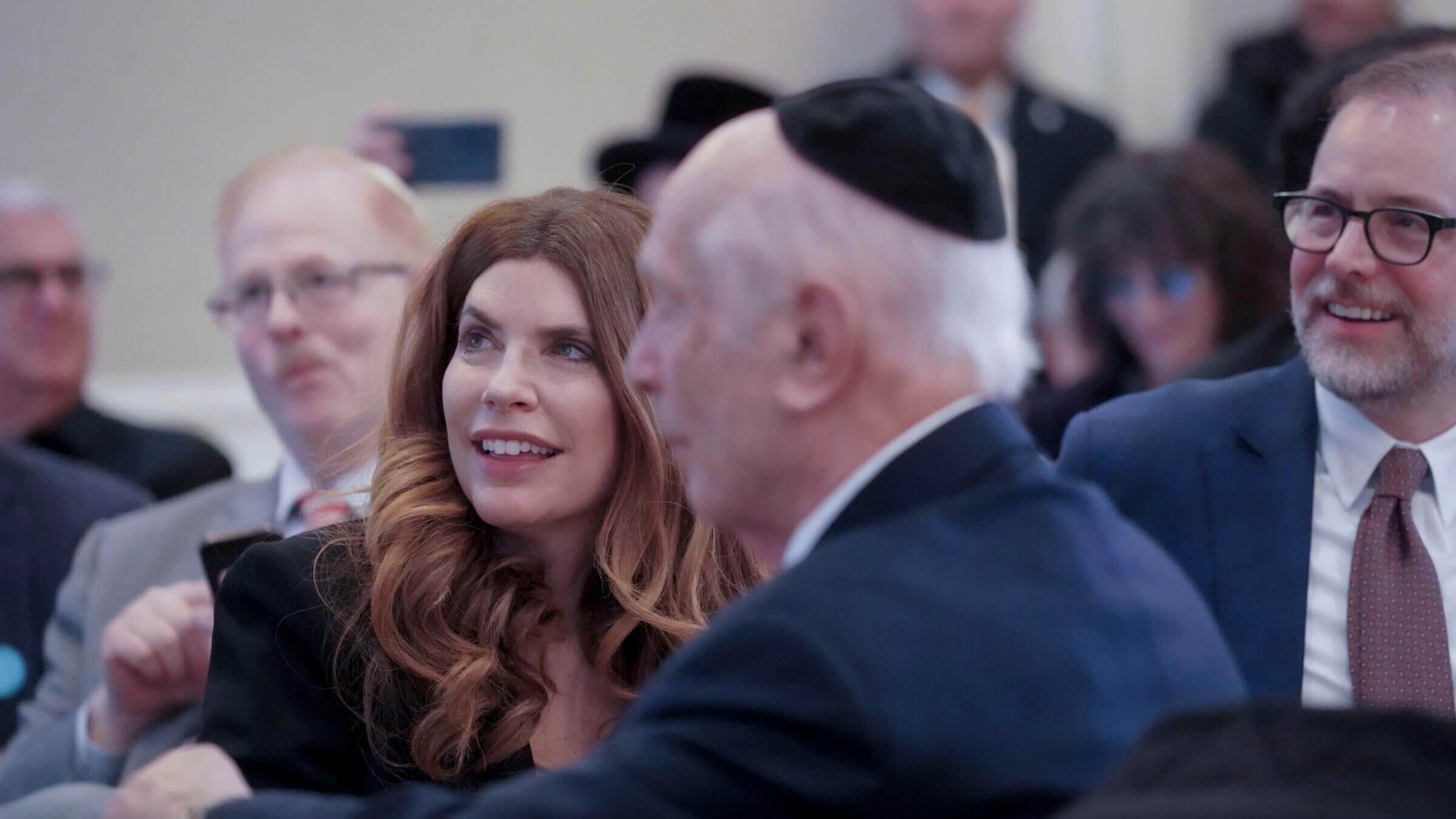
NYC Council Speaker Menin at the JCRC-NY congressional breakfast on Feb. 1. Photo by Gerardo Romo /. NYC Council Media Unit

By Jacob Kornbluh February 12, 2026
The New York City Council committee is moving forward with a series of bills aimed at addressing the rise in antisemitism, including a controversial proposal that would limit protests outside houses of worship.
The newly created Committee to Combat Hate is set to hold a hearing later this month on seven related bills introduced last month by Council Speaker Julie Menin, who is Jewish. The measures include a proposal to establish a buffer zone outside synagogues and educational centers, increased funding for security measures, expanded education on online harassment, and improved reporting of antisemitic incidents.
Antisemitic incidents continue to account for a majority of reported hate crimes in New York City. According to the New York City Police Department, antisemitic incidents made up 57% of all hate crimes reported in 2025. The trend has continued into the new year, with more than half of all hate crimes reported in January targeting Jews or Jewish institutions, NYPD data showed.
Menin, who is the first Jew to lead the city’s legislative body, said last month that the council would vote on her five-point plan to combat antisemitism at Thursday’s meeting, hoping to pass it on an “aggressive and fast timetable.” A council spokesperson said the timetable has since been modified to align with the Feb. 25 committee hearing. After that hearing, the Speaker will decide when the bills go to the full council for a vote.
The panel is chaired by Councilmember Yusef Salaam, who is Muslim and has spoken about the need to confront antisemitism alongside Islamophobia. “When antisemitism rises, Islamophobia often follows,” Salam said at a news conference when the speaker announced her plan. “When Islamophobia is tolerated, antisemitism finds new grounds to grow.”
Before she became speaker, Menin privately promised Inna Vernikov, a Republican from Brooklyn, to create a subcommittee dedicated to combating antisemitism. Instead, she formed a task force, co-chaired by Vernikov and Eric Dinowitz, a Democrat from the Bronx and chair of the seven-member Jewish Caucus. The appointment of Vernikov drew criticism for her incendiary remarks on social media about Mayor Zohran Mamdani and the Democratic Party’s approach to antisemitism.
Mamdani, a strident Israel critic who faces scrutiny from mainstream Jewish organizations over his response to antisemitism and pro-Palestinian protests, said he broadly supports the package introduced by Menin but expressed reservations about the legality of the proposed bill that would allow the NYPD to establish buffer zones of up to 100 feet outside synagogues and other houses of worship. “I wouldn’t sign any legislation that we find to be outside of the bounds of the law,” he said.
On Wednesday, during a budget hearing at the state Legislature, Mamdani was questioned again about his response to antisemitic rhetoric, including the slogan “globalize the intifada,” that has been chanted at protests against the war in Gaza. “I strongly discourage the language, and I have not used the language,” Mamdani said.
Progressive groups that support Mamdani, including Jews For Racial & Economic Justice, Jewish Voice for Peace and IfNotNow, called on council members to reject the buffer zone bill. “When houses of worship host non-religious political events, they are making a choice with the knowledge that they might be protested for doing so,” the groups said.
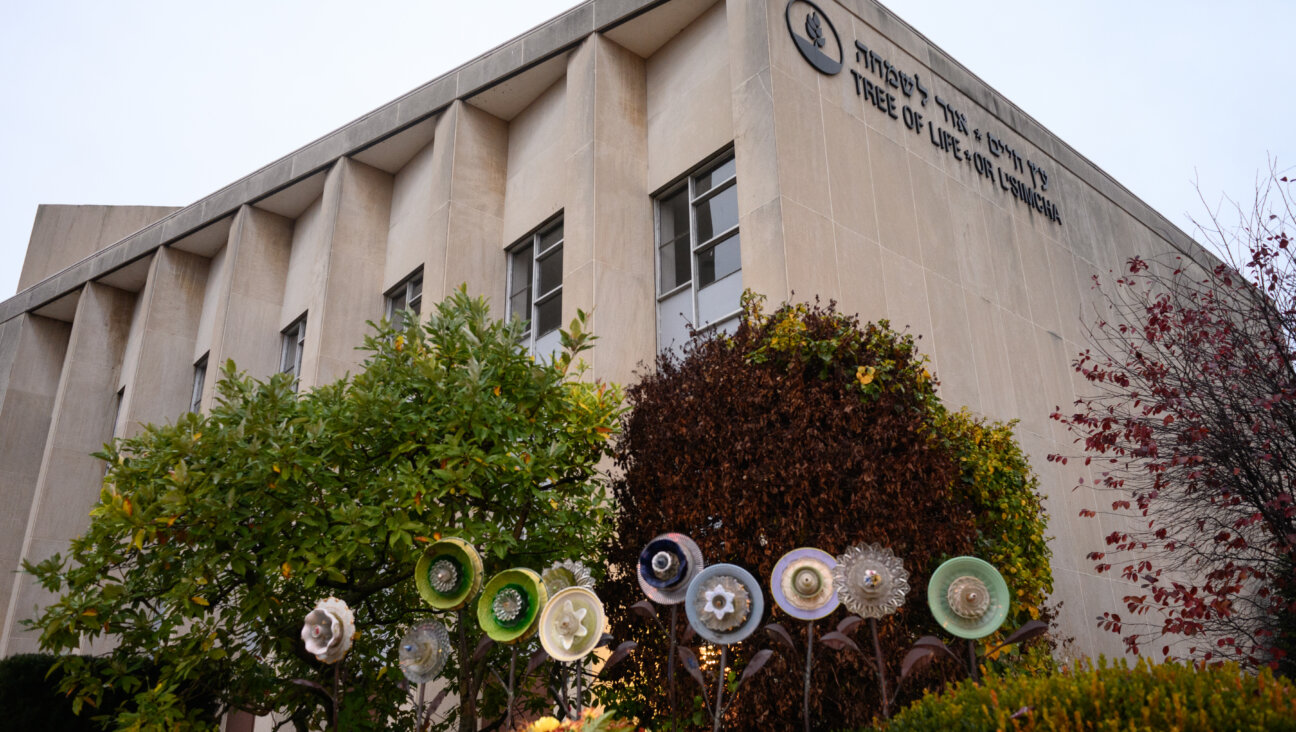
Mamdani has faced criticism twice for his response to protests outside synagogues hosting events about real estate investment in Israel. On Jan. 8, protesters outside a Queens synagogue featured chants of “Say it loud, say it clear, we support Hamas here.” Though Mamdani quickly condemned the language, he had to follow up later to denounce Hamas.
Just after Mamdani’s election in November, he issued a mixed response to a demonstration outside Manhattan’s Park East Synagogue that featured anti-Israel and antisemitic slogans. He initially questioned the use of a sacred place for an event promoting migration to Israel. He later clarified his statement and said he would consider legislation limiting protests outside synagogues.
Critics said the response, which took nearly a day, was slow and undercut Mamdani’s repeated pledges to protect Jewish New Yorkers, and raised fresh questions about what kind of mayor he intends to be. New York City is home to the largest concentration of Jews in the United States.
This is a moment of great uncertainty. Here’s what you can do about it.
We hope you appreciated this article. Before you go, we’d like to ask you to please support the Forward’s independent Jewish news this Passover. All donations are being matched by the Forward Board - up to $100,000.
This is a moment of great uncertainty for the news media, for the Jewish people, and for our sacred democracy. It is a time of confusion and declining trust in public institutions. An era in which we need humans to report facts, conduct investigations that hold power to account, tell stories that matter and share honest discourse on all that divides us.
With no paywall or subscriptions, the Forward is entirely supported by readers like you. Every dollar you give this Passover is invested in the future of the Forward — and telling the American Jewish story fully and fairly.
The Forward doesn’t rely on funding from institutions like governments or your local Jewish federation. There are thousands of readers like you who give us $18 or $36 or $100 each month or year.
Support our mission to tell the Jewish story fully and fairly.