Did Israel force Trump into war with Iran? After Marco Rubio suggests so, Israel’s critics erupt.
Benjamin Netanyahu dismissed the suggestion, saying, ‘You don’t have to drag him into anything’
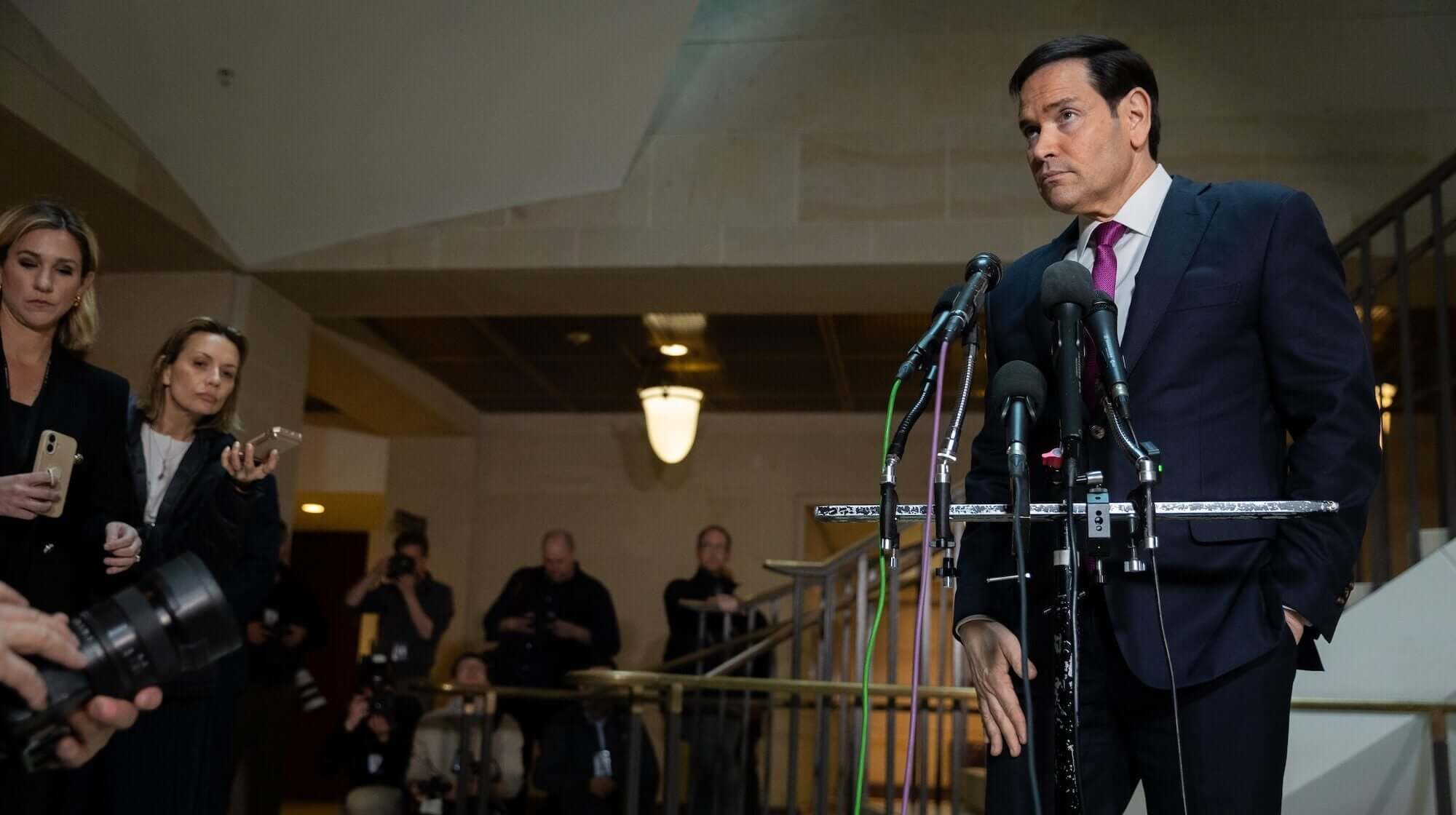
Secretary of State Marco Rubio talks to reporters ahead of briefing the Congressional ‘Gang of Eight’ on U.S. strikes on Iran, at the U.S. Capitol in Washington, D.C., on March 2, 2026. Photo by Nathan Posner/Anadolu via Getty Images
(JTA) — Secretary of State Marco Rubio inflamed critics of the U.S.-Israel war on Iran on Monday when he suggested that Israel had pulled the United States into the conflict.
“We knew that there was going to be an Israeli action, we knew that that would precipitate an attack against American forces, and we knew that if we didn’t preemptively go after them before they launched those attacks, we would suffer higher casualties,” Rubio told reporters in Washington, D.C.
After a reporter asked Rubio to clarify whether the United States was forced to strike because of Israel’s plans, the secretary said no.
“This operation needed to happen because Iran in about a year or a year and a half would cross the line of immunity, meaning they would have so many short-range missiles, so many drones, that no one could do anything about it because they could hold the whole world hostage,” Rubio said. He added, “Obviously, we were aware of Israeli intentions and understood what that would mean for us, and we had to be prepared to act as a result of it. But this had to happen no matter what.”
The comments were sensitive because allegations that the United States is subservient to Israel have gripped both the far right and far left in recent years.
And despite his clarification, Rubio’s first comment caught on among skeptics of the war from across the ideological spectrum.
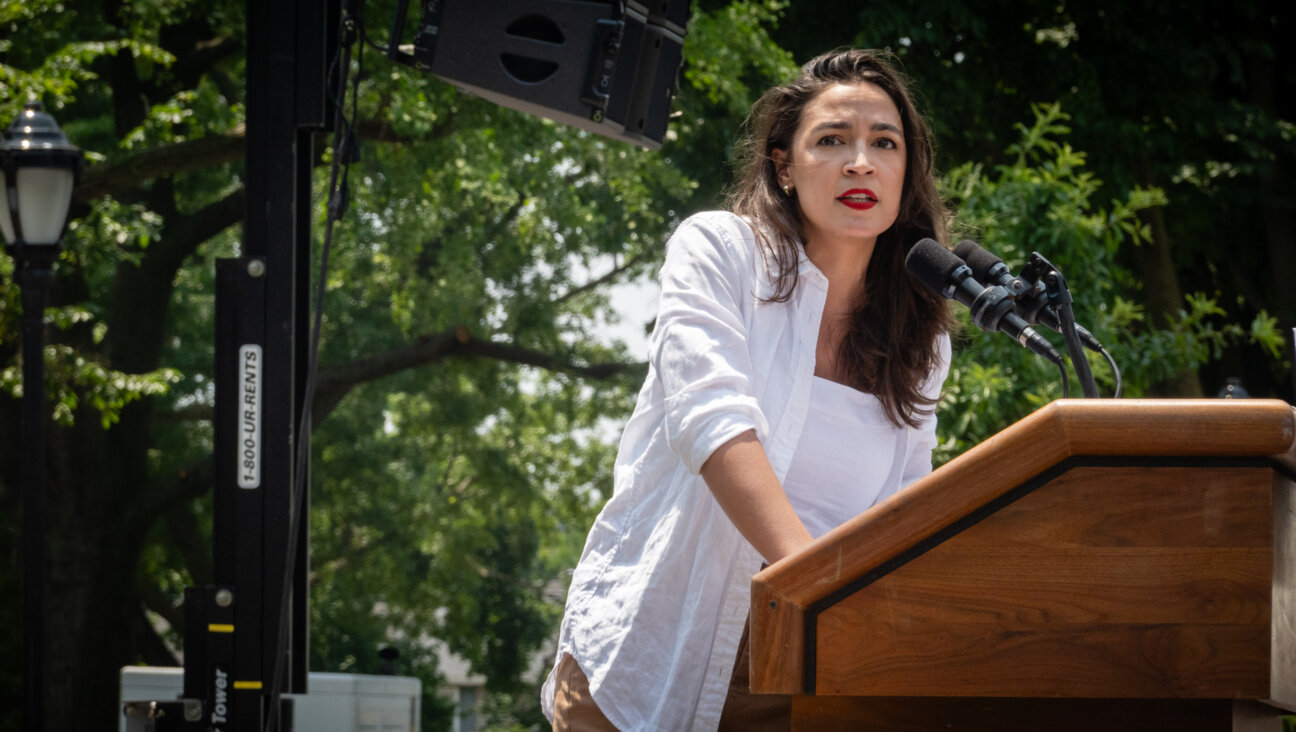
“Secretary Rubio says the quiet part out loud: this is an unnecessary war of choice,” tweeted Rep. Sara Jacobs, a Jewish progressive from California. “Israel forced our hand – there was no imminent threat to the United States. And instead of talking Israel out of going to war, President Trump went along with it and put U.S. lives at risk.”
The conservative commentator Matt Walsh, meanwhile, shared a video of Rubio’s initial statement and tweeted, “So he’s flat out telling us that we’re in a war with Iran because Israel forced our hand. This is basically the worst possible thing he could have said.”
For their part, Trump and Netanyahu both reject the idea that the war serves Israel’s interests primarily or that Netanyahu had lured Trump into war.
“There are people that say, well, the prime minister of Israel dragged Donald Trump into it. And as someone who has been friends with him over 30 years, nobody drags Donald Trump into anything — but I want to get your reaction to that,” the Fox News host Sean Hannity asked Netanyahu on Monday night. He did not name anyone who had offered that criticism.
Netanyahu laughed, dismissing as “ridiculous” the allegation that he was controlling Trump.
“Donald Trump is the strongest leader in the world,” he said. “He does what he thinks is right for America. He does also what he thinks is right for future generations. … Iran is committed to your destruction. And whether people understand it or not, the leader has to understand it. Donald Trump understands it. You don’t have to drag him into anything. He does what he thinks is right, and this is right.”
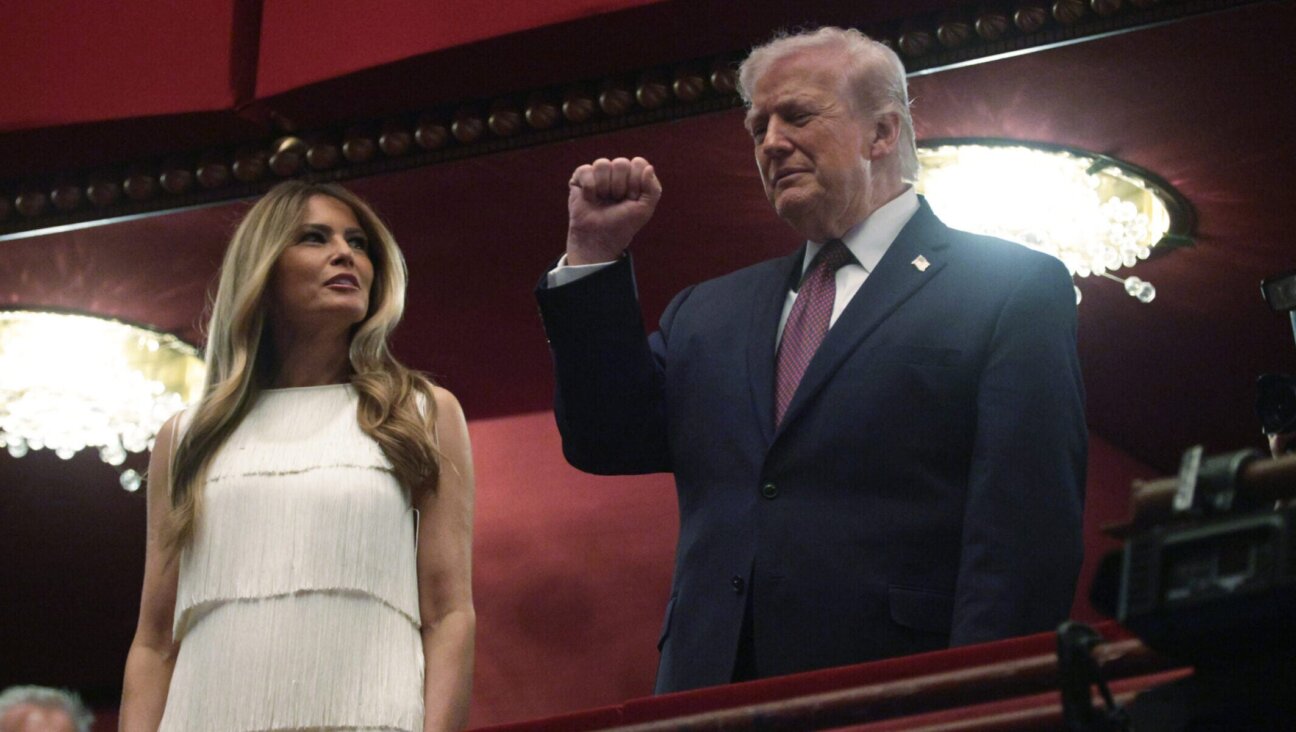
Trump, meanwhile, told the New York Post on Monday that he believed that most Americans support the war, despite polling showing approval at well under 50%. He said he had made the decision to strike only after failed negotiations with the Iranians in Geneva on Thursday after learning that Iran was continuing to seek to produce nuclear weapons at a new site.
Still, Rubio was not the only prominent voice close to the decision-making table to implicate Israel as a driver of the war plans on Monday, amid a reckoning over what prompted Trump to engage U.S. forces in an expansive and increasingly deadly war without congressional approval, which is required by law except if there is a direct, imminent threat. On Tuesday, the U.S. military said the number of service members killed had risen to six.
Speaker of the House Mike Johnson said the United States had to prepare for war because it knew it would be embroiled if Israel acted alone. “Because Israel was determined to act with or without the U.S., our commander in chief and the administration and the officials had a very difficult decision to make,” he told reporters.
Sen. Mark Warner, a Democrat who is on the Senate Intelligence Committee, said that despite supporting Israel, he still had questions about the appropriateness of striking when there is no immediate threat to the United States. “This is still a war of choice that has been acknowledged by others that was dictated by Israel’s goals and timeline.”
And a New York Times post-mortem of Trump’s decision-making published on Monday suggests that last week he had conveyed to Tucker Carlson, a prominent critic of Israel, “that he had no choice but to join a strike that Israel would launch.” (Carlson visited the White House for a third time in weeks after igniting an antisemitism rift on the right by inviting the streamer Nick Fuentes onto his show; the Times article says that in all of the meetings, Carlson argued against an attack.)
The war is placing stress on Trump’s coalition ahead of a midterm election season that is expected to be rocky for the Republicans. The MAGA wing of the party, which embraces both criticism of Israel and opposition to U.S. intervention in foreign conflict, appears unlikely to be easily convinced by the Trump administration’s explanations for war.
“Trump betrayed MAGA and America First. He has lost his mandate to govern,” Fuentes tweeted after the war began. “I cannot and will not vote for the GOP unless they put America and Americans First. If you keep voting after they dragged us into a regional war with Iran, then you will vote for absolutely anything.”
This is a moment of great uncertainty. Here’s what you can do about it.
We hope you appreciated this article. Before you go, we’d like to ask you to please support the Forward’s independent Jewish news this Passover. All donations are being matched by the Forward Board - up to $100,000.
This is a moment of great uncertainty for the news media, for the Jewish people, and for our sacred democracy. It is a time of confusion and declining trust in public institutions. An era in which we need humans to report facts, conduct investigations that hold power to account, tell stories that matter and share honest discourse on all that divides us.
With no paywall or subscriptions, the Forward is entirely supported by readers like you. Every dollar you give this Passover is invested in the future of the Forward — and telling the American Jewish story fully and fairly.
The Forward doesn’t rely on funding from institutions like governments or your local Jewish federation. There are thousands of readers like you who give us $18 or $36 or $100 each month or year.
Support our mission to tell the Jewish story fully and fairly.