5 more killed by Iranian missiles as shrapnel falls at Ben Gurion, curbing more flights
United and Delta canceled their Israel routes through June
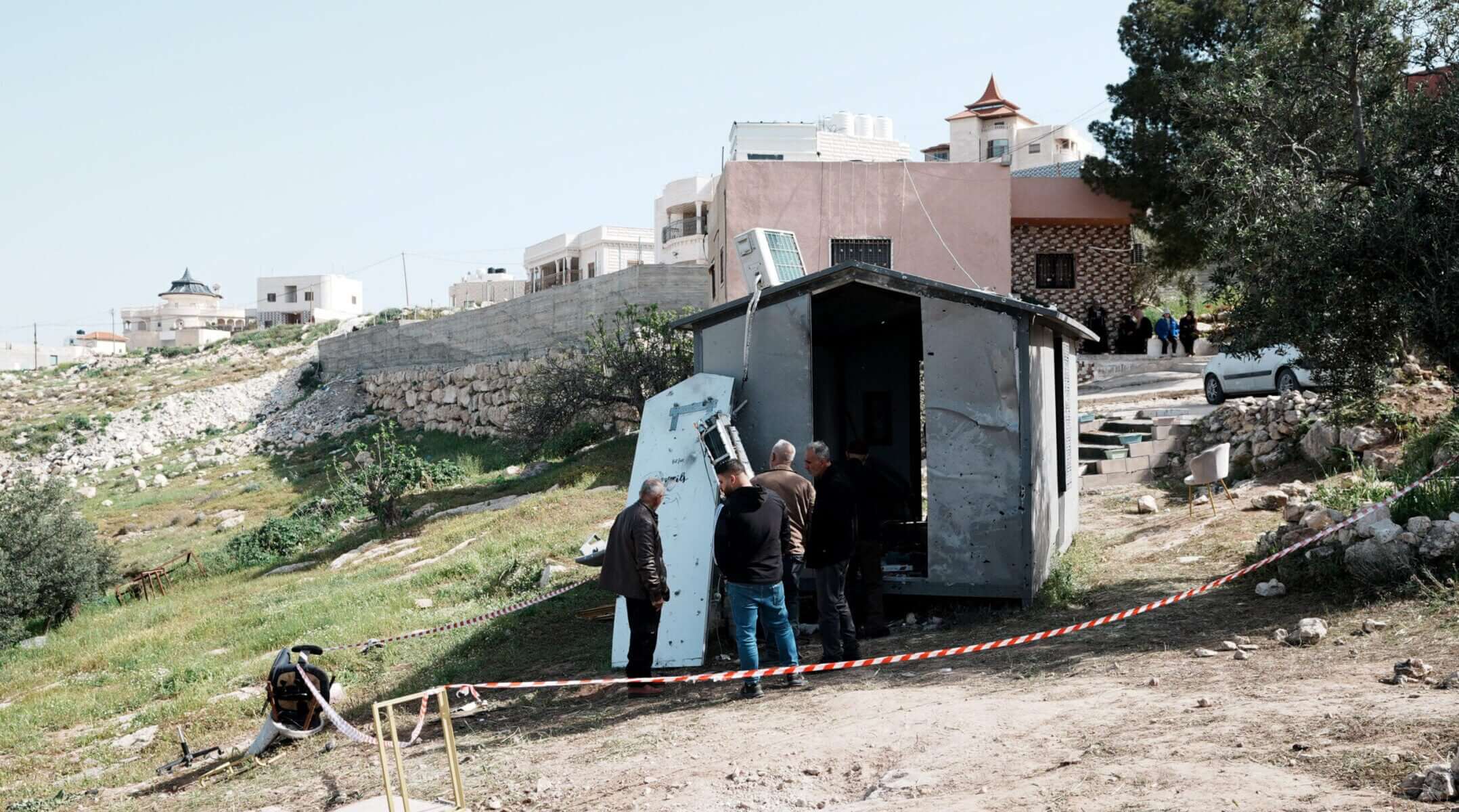
Civil defense and security forces conduct investigations at a hair salon where four women were killed by an Iranian missile in Beit Awwa in the West Bank, March 19, 2026. Photo by Issam Rimawi/Anadolu via Getty Images
(JTA) — Five more people were killed overnight by Iranian missiles aimed at Israel: a man from Thailand in the country’s center, and four Palestinian women who had been preparing to break the Ramadan fast in their West Bank village. One was six months pregnant.
The deaths come as Iran has increasingly turned to cluster munitions, which break apart and shed smaller bombs along their path — making them much harder for Israel’s air defense systems to intercept.
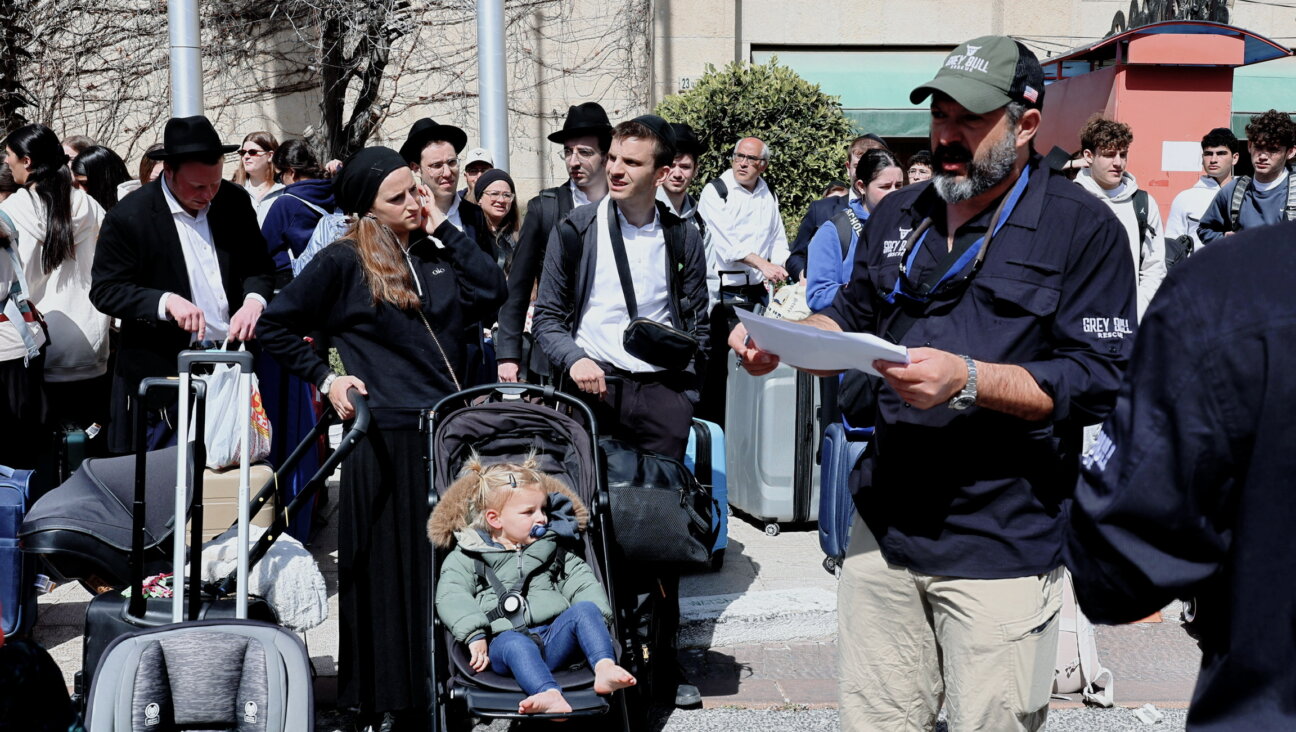
Shrapnel from interceptions also fell at Ben Gurion Airport in recent days, damaging private planes and causing the airport authority to extend the cancelation of regular flights and limits on the number of people who can travel on “rescue flights” meant to allow travelers to leave and Israelis abroad to return. Several foreign carriers, including Delta and United, announced the cancellation of flights to and from Israel until at least June.
Nearly three weeks of fighting, launched jointly by the United States and Israel against Iran, have thrown the Middle East into turmoil and shocked the global economy. Under pressure over rising gas prices, U.S. President Donald Trump distanced himself early Thursday from an Israeli attack on an Iranian oil field, but in a post on Truth Social, he reserved the right to attack the site himself if Iran continued to target energy infrastructure elsewhere in the Middle East.
The developments come as questions mount about how long Israel can continue to intercept Iran’s ballistic missiles. Semafor reported this week that U.S. officials believe the Israelis are running low on interceptors, but Israeli authorities tamped down those concerns on Wednesday. A combination of increased use of cluster munitions and a shortage of interceptors would put Israelis at increased risk.
This article originally appeared on JTA.org.