Meet the TikToker trying to revive Judeo-Arabic, the nearly extinct language Jews once spoke across the Arab world
Dan Sheena grew up speaking a dying dialect with roots going back hundreds of years in the Mideast. Now he teaches it to a new generation seeking to reconnect
Courtesy of Dan Sheena
By Simone Saidmehr March 22, 2026
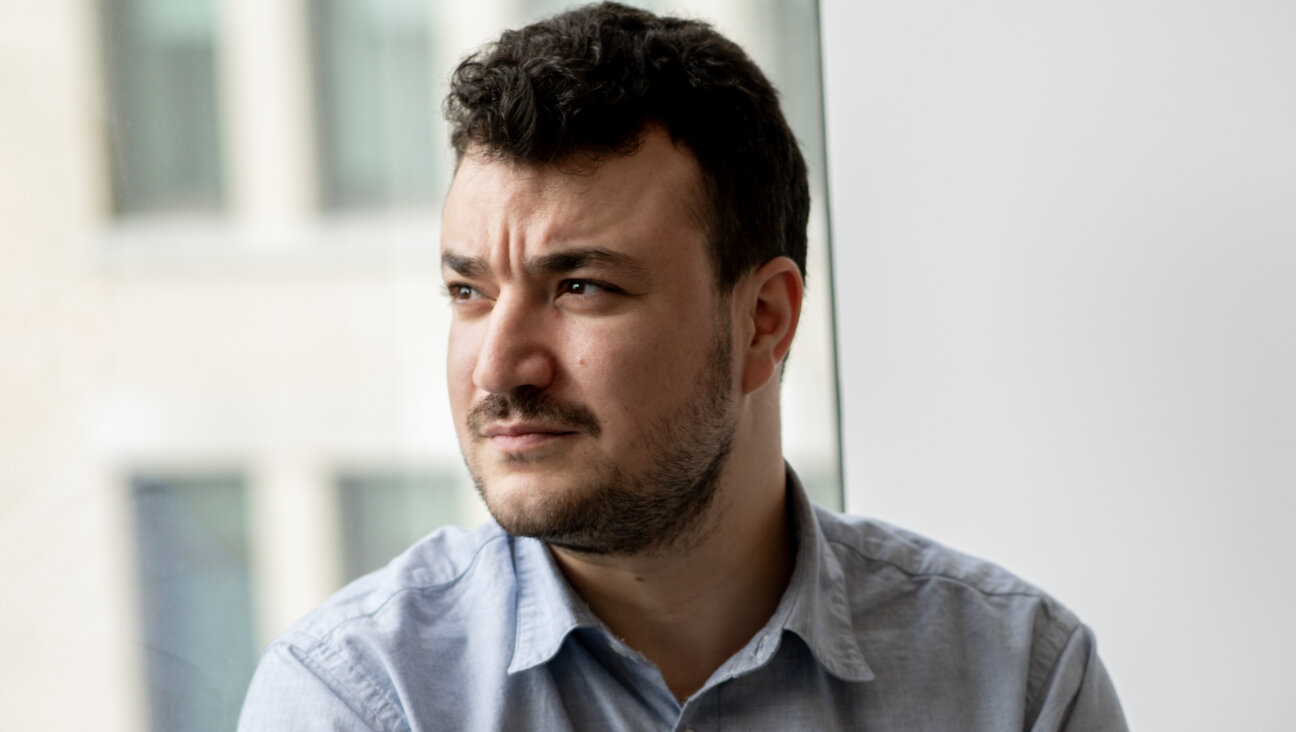
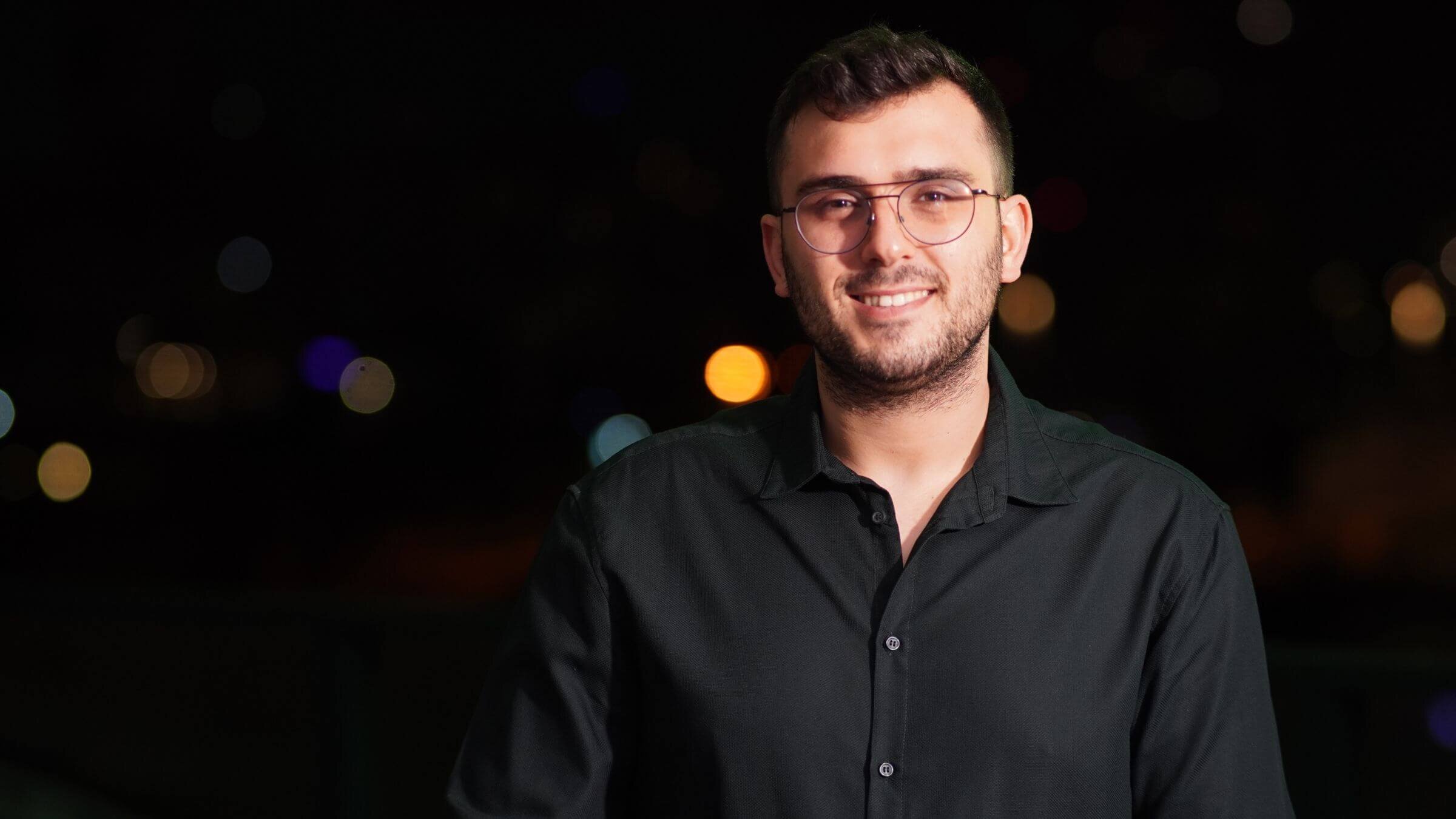
In TikTok videos viewed tens of thousands of times, 31-year-old Dan Sheena dons a blond wig and acts out skits of a bickering Iraqi couple in a language that is nearly extinct: Judeo-Arabic.
Sheena began posting videos on TikTok in 2023, speaking the endangered language, which today is rarely spoken by anyone under the age of 60, following the mass exodus of Jews from Arab countries due to discrimination and religious persecution.
Raised by two parents from Baghdad, Sheena grew up in Israel and spoke the language at home. That’s a rarity among second- and third-generation Iraqi Jews, whose families often stopped passing it down in an effort to assimilate.
From a young age, Sheena, who still lives in Israel, knew he wanted to become an Arabic teacher. After years of teaching conversational Arabic in the public school system, he became determined to preserve the dialect he grew up with.
When Sheena told his family that he wanted to teach Judeo-Arabic, they urged him to focus on a more practical dialect. “They told me, ‘Oh, you are stupid. Why do you want to do that? No one wants to learn it. It’s going to die.’”
Despite their concerns, the initial response to his account and the Judeo-Arabic Zoom lessons he offered was overwhelming. “Many people registered. They told me, ‘Dan, this is my dream. I heard my parents speaking in Judeo Arabic, and I really want to learn it. And I finally have the opportunity.’”
He said that, for him, social media has been essential to his efforts to preserve the language. “Many people forward my videos between themselves” and “ask their parents about certain words,” he said. “This is the way to talk about Judeo-Arabic, to keep it alive. Social media lets me do that, not in the classic way of writing a book and trying to spread it and share it. This is the old way of keeping a language alive.”
In videos, he uses classic Baghdadi Judeo-Arabic phrases, including in equal measure cheeky insults like Wakka mazzalem (“may their luck run out”), and compliments like Asht eedak (“may your hands be blessed”), a phrase used to compliment someone’s cooking or hosting abilities.
Sheena has since built a TikTok following of more than 100,000 and teaches dozens of students around the world, who find him through social media, through Zoom-based courses each year.
A disappearing language
In the 1940s, nearly 1 million Jews lived across the Arab world. Today, an estimated 4,000 remain. In Iraq, where there was once a thriving Jewish community of around 120,000, just three Jews are believed to still live in the country.
Judeo-Arabic, a variety of different dialects of Arabic that were spoken by Jews in the Arab world, endured in active use for roughly 1,250 years. Since the mid-20th century, when Jews were forced to flee the region en masse, the language has been in rapid decline.
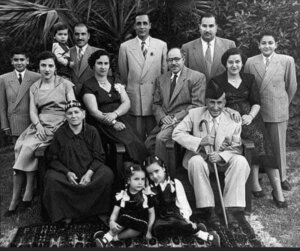
According to Assaf Bar Moshe, one of the world’s few Judeo-Arabic experts, Jews in the Middle East were usually bilingual. “They spoke one dialect with their community and families, and another dialect the moment they stepped out of their house,” to be able to communicate with their non-Jewish neighbors. A key feature of the language is words borrowed from Hebrew and Aramaic, especially for religious objects or distinctly Jewish words.
Bar Moshe said today, there are around 6,000 native speakers of the Judeo-Baghdadi Arabic dialect worldwide. That dialect, he said, offers a glimpse into what the Arab world sounded like centuries ago. “Baghdadi Judeo-Arabic is actually the original dialect of Baghdad from the Middle Ages. The Jewish community preserved it, while the Muslim dialect came later with migrations in the 17th century. That’s why they are so different.”
Over the centuries, Jews in each country developed their own dialect, often with additional regional variation. While the spoken language is extremely varied depending on where it was developed, the written language became much more standardized, with Arabic transliterated into Hebrew script, similar to Yiddish or Ladino.
When Jews left the Arab world, most fleeing to Israel, the U.S., the U.K. and Canada, they commonly abandoned the language as they tried to integrate into new societies. In Israel, Bar Moshe said, “Arabic was seen as the language of the enemy, so children were embarrassed to speak it.”
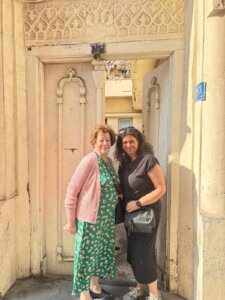
There was a similar pressure to assimilate for Jews who fled to other countries. “We wanted to be British,” said Vicky Sweiry Tsur, a Bahraini Jew who grew up in the U.K. and now lives in California. “I used to feel very embarrassed when my friends heard my parents speak Arabic. And you know, slowly, slowly, if you don’t use it, you lose it.”
According to Sheena, many students come to him with a sense of regret for turning away from the language when they were younger.
“If we just listened to my mom way back then, you know, I wouldn’t be chasing after every word and phrase that I can possibly remember now,” said Sweiry Tsur. “What I wouldn’t give to go back.”
‘You learn it from your heart’
Sheena admits his parents had reason to protest his decision to delve into Judeo-Arabic. Students come to him all the time debating whether they should learn conversational Arabic or Judeo-Arabic, which, by most measures, cannot be revived and has no practical use outside of the shrinking circle of elderly individuals who still speak it. “I always answer, to learn the spoken Arabic, you do it from your brain because you want to use it daily. But the Judeo-Arabic, you don’t learn from your brain. You learn it from your heart.”
Sheena’s student Jason Fattal, 36, whose parents were born in Iraq, said he is learning the language out of a desire to preserve it. “I don’t even want to learn Modern Standard Arabic,” he said. “My motivation has always been that this is a dying language, and I guess I’m probably going to fail to save it, but I’m still going to try, you know, to be as functional as I can.”
Inspired by his progress, Fattal later traveled to Iraq, visiting the school his parents attended (where current students had no idea it used to be a school for Jews), the only synagogue left in Baghdad, and even a nightclub his father used to frequent. “It was a very magical and electric feeling to walk through those halls in the precise place where I know both my parents went to school many years ago. Speaking Jewish Arabic in Iraq was just as electric.”

For many of Sheena’s students, the language offers a way to reconnect with memories they can no longer access. “People say to me, ‘Dan, I want to smell again my grandmother. I can’t sit with her and listen to her stories again, but I can hear her by these words by this language.’”
“He comes out with a word or a phrase that literally I can say I have not heard for like, 40 or 50 years,” said Sweiry Tsur. “There’s no way I would have been able to bring it out from the depths of my brain, but then you hear it, and you know exactly what it means, and exactly in what context you would use it — and all the emotions that are tied to it, you know, Friday night dinners with all of the family.”