Nir Barkat Win Boosts Secular Jerusalem

Image by getty images
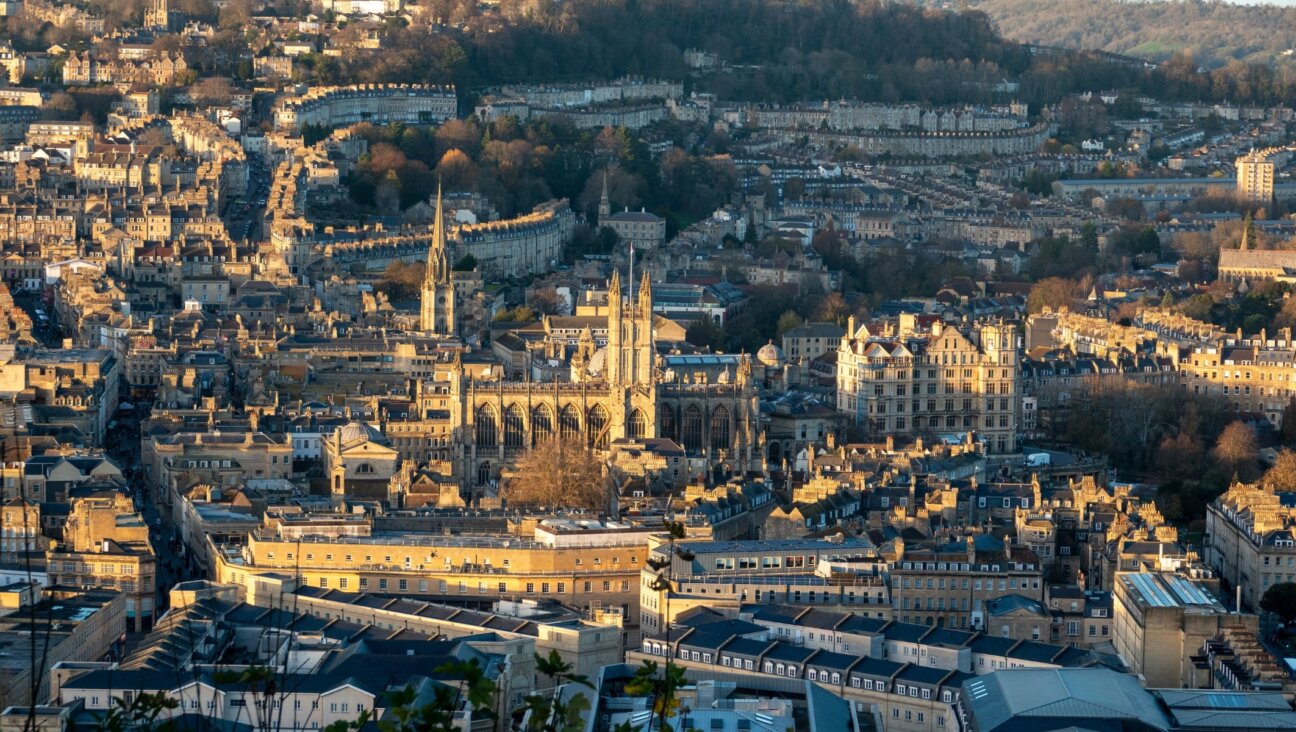
Jerusalem’s mayor Nir Barkat, widely credited with shoring up Jerusalem’s secular credentials, has won another five-year term in the local election.
Like other cities across Israel, Jerusalem held local elections yesterday. But while in most other locales the races were mostly about schooling and clean streets, in Jerusalem the race became about deeper issues of identity and religion.
In the last elections, five years ago, the ultra-Orthodox mayor Uri Lupolianski lost power. Haredim felt that they had lost their ability to shape the public space in Jerusalem. In this race, Barkat’s main challenger Moshe Lion was expected to return some of this influence to Haredim if elected.
For example, it was predicted that he would to give the all-important planning portfolio on the council to the Haredi Shas party, which would have meant a spike in provision for synagogues, yeshivot and housing for the Haredi sector.
Barkat won with 51.1% of the vote, while Lion got 45.3%. The Jerusalem result, in part, points to a process of secular and other non-Haredi Jerusalemites reclaiming their city. They see changes that Barkat has made, such as the establishment of a recreation venue that is open on Shabbat, and like his approach. However, there is also another factor that contributed to Barkat’s win.
Jerusalem’s Haredim probably could have ousted Barkat if they had been united and efficient, but they weren’t. Though the leaders of most Haredi groups united around Lion, not all did. There was too much internal disagreement for the full force of the Haredi community to stand behind Lion.
This shows that Jerusalem politics has been turned on its head in recent years. Traditionally, Haredim are the most organized and most motivated electoral force in the city. Now, Haredim are struggling with division and disunity, while supporters of Barkat’s secular-oriented policies managed to mobilize.
There were few surprises in Israel’s main cities, with incumbent mayors mainly reelected, including in Tel Aviv where Ron Huldai saw off a challenge from Meretz lawmaker Nitzan Horowitz, who would have been the first openly gay mayor in the Middle East.
Perhaps the most interesting aspect of yesterday’s elections was what they show about attitudes in Israel towards corruption — namely that it’s seen as no bar to public office.
In recent months, there have been several corruption investigations against majors. But voters were happy to use the elections to endorse mayors removed from office due to corruption allegations, and bring them back in to office.
Shlomi Lahiani of Bat Yam, Shimon Gapso of Nazareth Illit and Yitzhak Rochberger of Ramat Hasharon had all lost their jobs due to indictment for corruption, yet all have now been returned to their previous posts by voters.
The reelection of Gapso in Nazareth Illit is widely seen as a vote of confidence in his policy of giving the cold shoulder to Arabs who move to his city, refusing to open an Arab school or even purchase Arab library books.
This is a moment of great uncertainty. Here’s what you can do about it.
We hope you appreciated this article. Before you go, we’d like to ask you to please support the Forward’s independent Jewish news this Passover. All donations are being matched by the Forward Board - up to $100,000.
This is a moment of great uncertainty for the news media, for the Jewish people, and for our sacred democracy. It is a time of confusion and declining trust in public institutions. An era in which we need humans to report facts, conduct investigations that hold power to account, tell stories that matter and share honest discourse on all that divides us.
With no paywall or subscriptions, the Forward is entirely supported by readers like you. Every dollar you give this Passover is invested in the future of the Forward — and telling the American Jewish story fully and fairly.
The Forward doesn’t rely on funding from institutions like governments or your local Jewish federation. There are thousands of readers like you who give us $18 or $36 or $100 each month or year.
Support our mission to tell the Jewish story fully and fairly.