Israelis and Americans deserve to know why they are still at war
Silence about strategy is not prudence

People huddle in a bomb shelter in Holon, Israel amid an incoming Iranian missile warning on March 17. Photo by Alexi J. Rosenfeld/Getty Images

Columnist Dan Perry March 17, 2026
Israelis have once again been asked to live under the shadow of war. Sirens and missiles punctuate sleepless nights. Families sleep beside safe rooms. Children measure their days between alarms.
People will endure that, when they believe there is a purpose behind the sacrifice.
Yet three weeks into the current confrontation with Iran, Israel’s government hasn’t offered anything resembling such clarity. Nor has that of the United States. And as the costs of war accrue in both countries — with Americans worrying about forces deployed across the region, and paying the price of the conflict at the gas pump — citizens of both countries deserve something basic from their leaders: a direct, compelling explanation of what this war is supposed to achieve.
In a democracy, citizens who are sending their children to shelters and their soldiers to the front absolutely have the right to know the objectives of a war.
Yes, you cannot reveal operational details that could endanger pilots, intelligence sources or soldiers in the field. But explaining the purpose of a war is not the same thing as revealing tactics. Israeli Prime Minister Benjamin Netanyahu and U.S. President Donald Trump aren’t exhibiting prudence by keeping things, as the Forward’s Arno Rosenfeld wrote, “incoherent.” Instead, they’re showing contempt for those they govern.
The hubris would be troubling even if either government in question enjoyed broad public trust. But neither Netanyahu nor Trump are leaders who command such confidence. And the arrogance that has infected even officials under them reflects a deeper pattern that has long defined both men’s leadership: an extraordinary sense of entitlement to power.
An Israel defined by hubris
Many Israelis believe that Netanyahu bends the truth routinely and will do almost anything to remain in power. Under those circumstances, demanding blind faith in this war is insulting.
Consider the extraordinary elasticity of the government’s claims. In June, after the earlier 12-day confrontation with Iran, Netanyahu declared that Israel had pushed back Iran’s missile and nuclear threats “for generations.”
If anyone made the mistake of believing him at the time, it is now obvious that he was lying. Iran still possesses missiles, which we know because they have rained down on Israel throughout this war. If this conflict is now necessary to confront the very same dangers, the public deserves an explanation of what exactly happened to the supposed “generations” of security their leader had promised.
Yet instead of engaging with tough questions from the press about why Israel engaged in this war, what its goals are, and when it will end, Netanyahu has opted to exclusively discuss the war on friendly platforms. There are social media videos produced by his team, which are pure propaganda; the rare stage-managed “news conference,” usually with the few questioners selected in advance; and a studious avoidance of interviews with the Israeli media — with the sole exception of the pro-Netanyahu Channel 14.
Incredibly, when asked by a reporter from Haaretz a few days ago what the goals of the war were — and why no explanation has been offered to the citizens of the country — Government Secretary Yossi Fuchs actually had the temerity to respond that, in his eyes, citizens don’t need to know about those goals. Some have been set, he said, but they are confidential.
This posture invites, of course, even more suspicion.
Muddled American messaging
If Netanyahu says too little, Trump, on the American side, possibly says too much.
He speaks constantly about the war, yet always seems to struggle with precision or coherence.
One day he suggests the conflict could last a long time. The next he says he thinks it may end soon. When asked about terrorism that could follow escalation, he shrugs that “some people will die.”
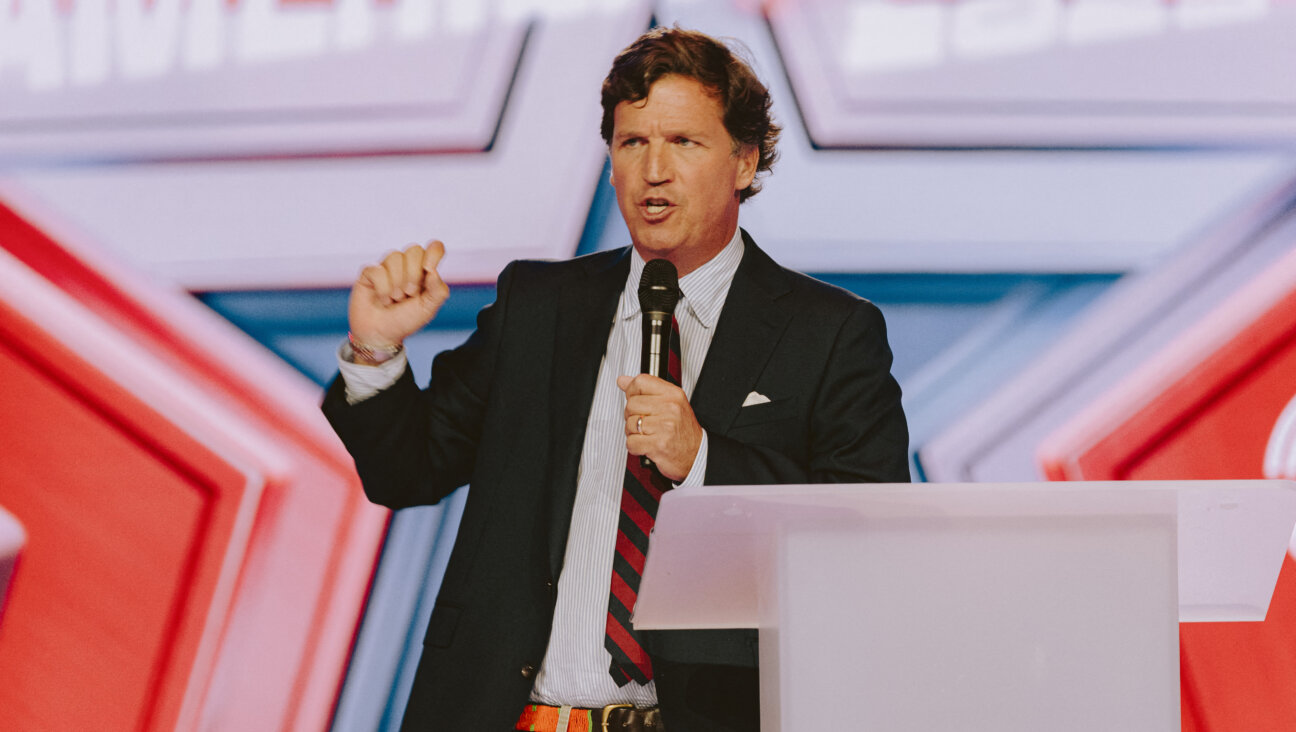
This is not surprising. Trump’s rhetoric on these things has always been belated, confused and focused on spectacle. Within hours of the bizarre American seizure of Venezuelan President Nicolás Maduro — a reprehensible figure but still the head of a sovereign state — Trump appeared on television explaining that the U.S. needed access to Venezuelan oil.
With short-term operations like that in Venezuela, Trump’s inability to explain why the U.S. needed to engage, and outline what Americans can expect going forward, was less glaring. Now, as he waffles between demanding NATO allies come to aid the war and insisting their help isn’t needed; bizarrely declares the war will end “when I feel it in my bones”; and makes clear that the war was initiated with no strategic foresight, it’s impossible to ignore.
So Americans, like Israelis, are left struggling to understand what exactly their government is trying to accomplish. And while in Israel the war is still broadly supported — so great is the anger at the Iranian regime, and so effective has been Israel’s missile defense — that is hardly the case in the U.S.
The blame game
The risks of a war defined by ever-moving goal posts and a deliberately obscure timeframe are obvious and terrifying. Just look at the war in Gaza.
That conflict dragged on for nearly two years, accompanied by repeated declarations that Hamas would soon be eliminated. Today, Hamas still exists. Yet the government has offered no serious accounting of that reality. On the way to this endgame, in which the status quo has ended up preserved but with Gaza in ruins, Netanyahu repeatedly blocked off-ramps. He was clearly indifferent to the widespread perception that he was using the continuation of the war to avoid accountability: He explicitly and shamelessly argued that the spectacular breakdown on Oct. 7 could not be investigated while the war continued.
In fact, he is using the exact same playbook in this new war, arguing last week — with Trump’s support — that Israeli President Isaac Herzog should issue him a pardon in his ongoing corruption trial so that he can focus on the war.
Some Israelis now genuinely fear that prolonged emergency conditions could become politically convenient. Netanyahu’s critics openly speculate that a monumental national crisis might provide justification to delay or manipulate elections — as Netanyahu is obsessed with remaining in power and is badly behind in the polls.
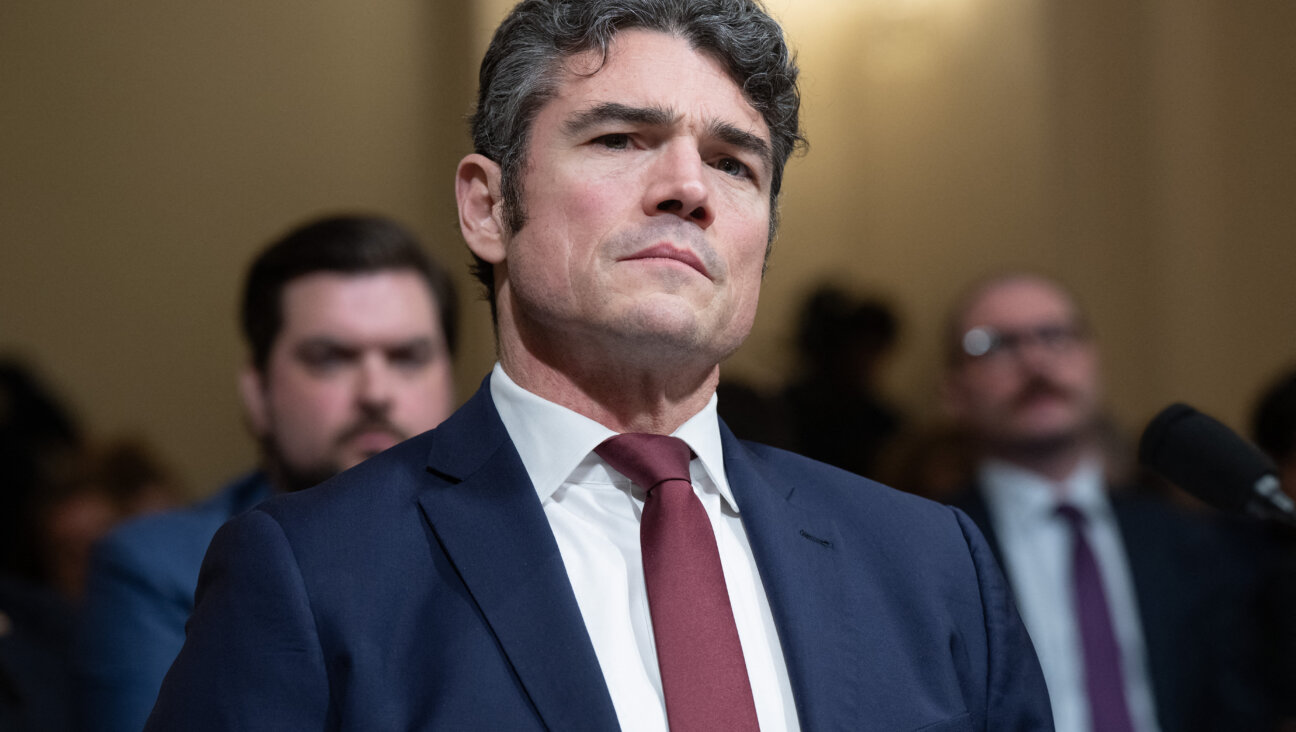
In the U.S., this fumbling has opened the door to an alarming new reality: one in which Israel and its international supporters are blamed for dragging the U.S. into war. On Tuesday, Joe Kent, director of the National Counterterrorism Center, resigned over the war with a public letter making unproven allegations that Trump fell prey to an Israeli “misinformation campaign that wholly undermined your America First platform.” There is a clear risk that such rhetoric, fueled by the sense of directionlessness in this war, will increase already surging antisemitism.
The paradox of justification
Netanyahu and Trump’s failure to clearly justify the war does not mean that the Iranian regime deserves indulgence.
Tehran has brutalized its own citizens for decades and exported violence throughout the Middle East. Through Hezbollah in Lebanon, Hamas in Gaza, the Houthis in Yemen, and Shiite militias in Iraq, it has helped fuel conflicts that have cost countless lives. The regime has given the world many reasons to wish for its disappearance.
For the past month I have been arguing relentlessly that the Iranian regime has forfeited any claim to sympathy and that its actions have justified the Israeli and U.S. attack.
A long war determined to bring the regime to its knees may not be fundamentally unjustified. But requiring blind faith in the leaders prosecuting that war is.