We must rewrite the rulebook for fighting antisemitism — or conspiracists like Joe Kent will win the narrative wars
Kent’s viral resignation letter is dangerous. So is refusing to understand why it was effective
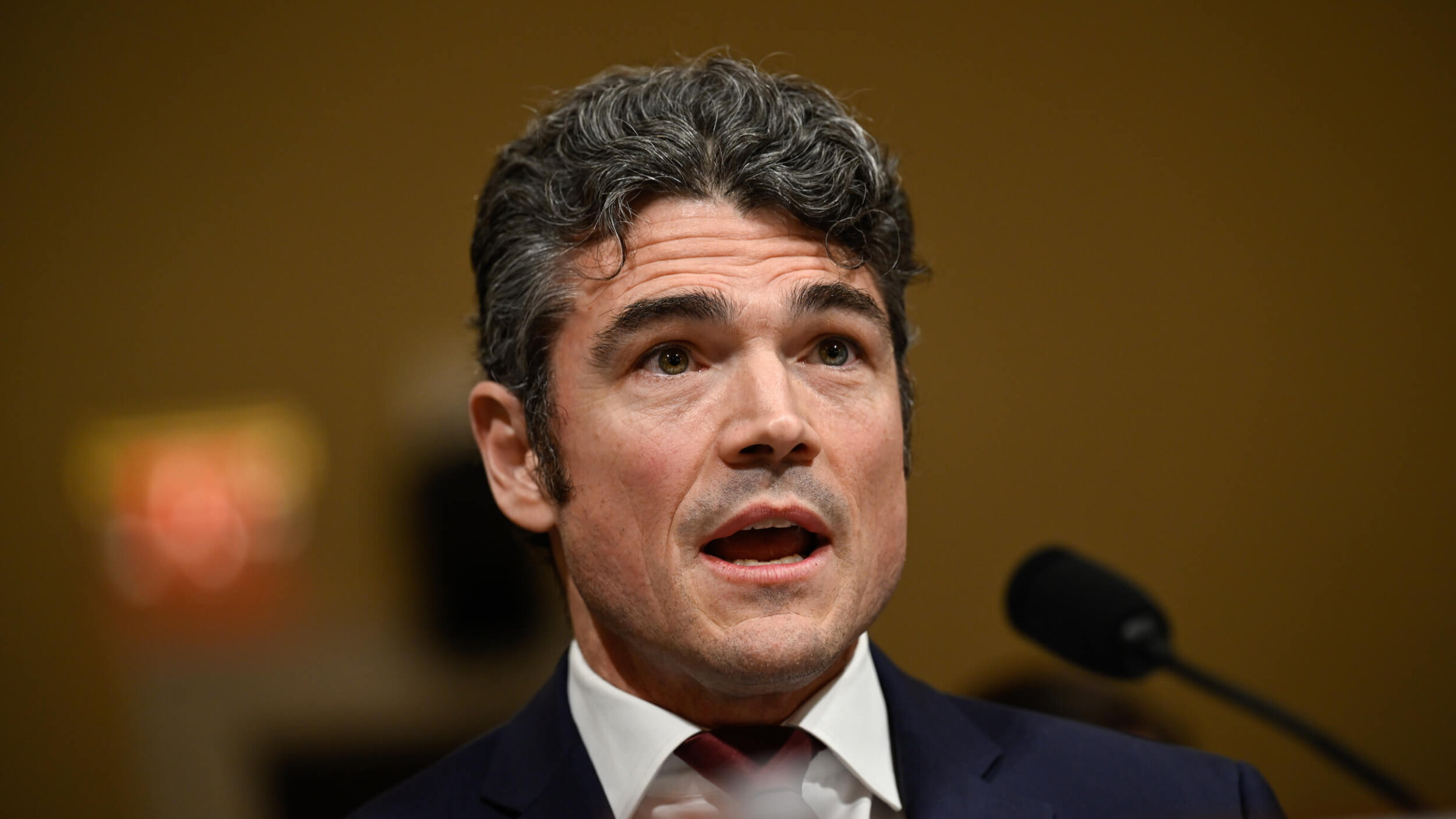
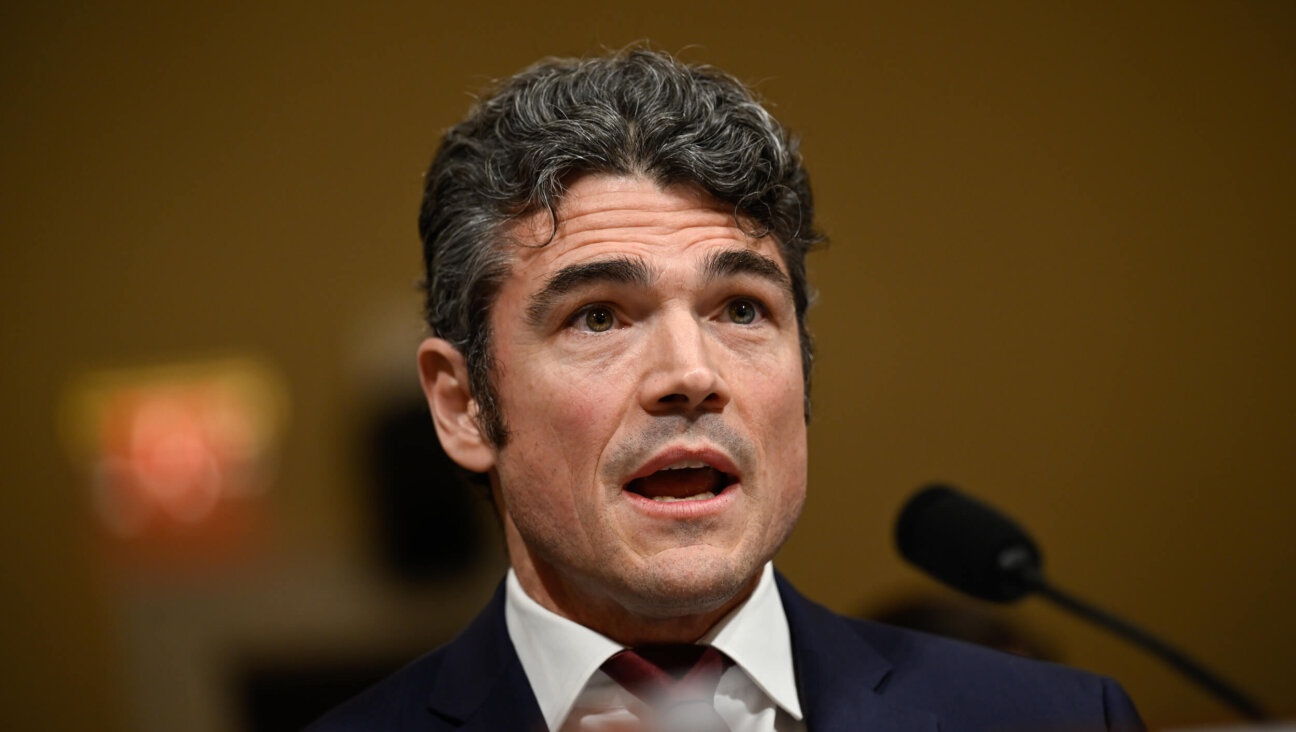
Joseph Kent, former director of the National Counterterrorism Center. Photo by Daniel Heuer/Bloomberg

Contributing Columnist Emily Tamkin March 20, 2026
As antisemitism floods American political discourse, the impulse in American Jewish life to not discuss certain things publicly — because they are complicated or shameful, or out of fear that they might inspire antisemitism — is not working.
That’s especially true when it comes to Israel.
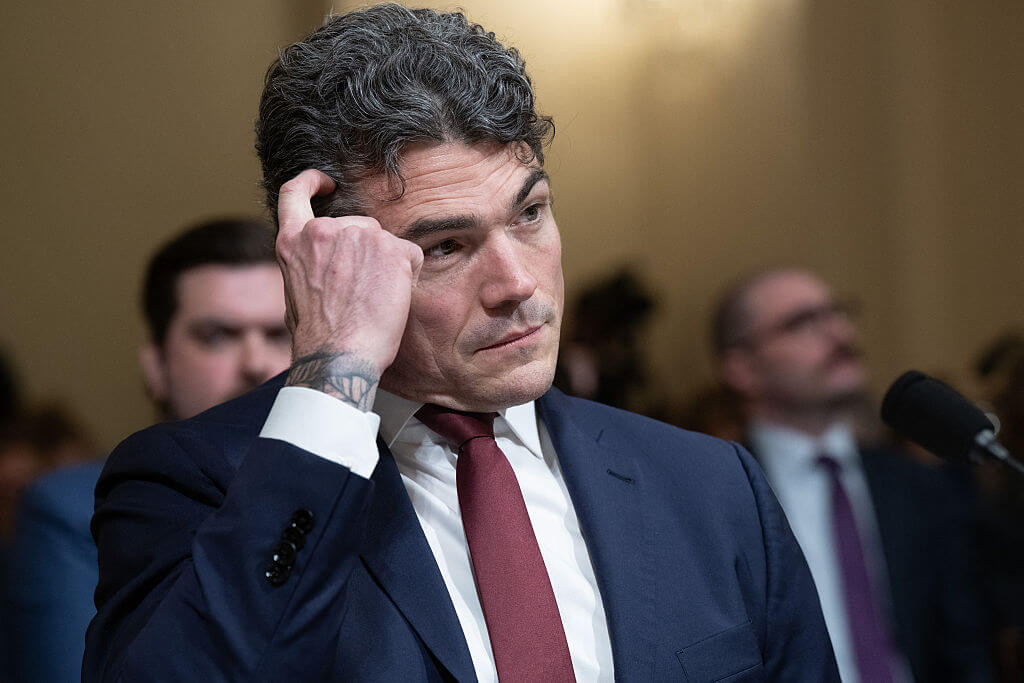
A public resignation letter by Joe Kent, now the former director of the National Counterterrorism Center, made this clear. The letter released this week, which alleged that President Donald Trump began the war with Iran “due to pressure from Israel and its powerful American lobby,” was rife with antisemitic tropes.
The letter went viral for, I think, two reasons.
The first: A high-up official resigned from the Trump administration over the war with Iran, which is unpopular, and for which the president has failed to articulate a clear and compelling justification. The second: in blaming Israeli influence, Kent positioned himself as speaking truth to power. As it got shared across social media, the implication was clear — finally, here was someone saying the true thing we have been leaving unsaid.
In actuality, much of what Kent wrote was not true. But there are ways in which it was adjacent to truth.
Israel did not puppetmaster this war — that image is antisemitic as well as inaccurate — but it did push for it. And there is an influential pro-Israel lobby in the United States that has worked to make it politically perilous to question U.S.-Israel cooperation, or American military funding for Israel.
There is just enough semblance of truth in Kent’s letter, in other words, to make his most outlandish and blatantly unsupportable claims — like, say, that Israel “manufactured” the Syrian civil war — sound plausible. And I worry that part of what is giving people the misguided impression that Kent is speaking truth to power, as opposed to airing antisemitic conspiracies, is that the American mainstream — including the American Jewish mainstream — has done a poor job of creating conditions in which complicated conversations about Israel can be held responsibly.
This is not to blame American Jews for antisemitism. Kent’s ideas are hateful and dangerous — when he appeared on Tucker Carlson’s show on Wednesday, he seemed to baselessly imply that Israel had Charlie Kirk killed — as well as unjustifiable. It’s worth remembering that Kent has ties to white supremacists.
But it is to say that in our efforts to create a safer American environment for Jews, we must reckon with the ways in which our community may have inadvertently helped make it easier for these ideas to spread.
At the same time that concerns among Americans about Israel’s conduct toward Palestinians have soared, space in which to rationally discuss those concerns has shrunk. When a student can face the threat of deportation for writing a pro-Palestinian op-ed; when American Jewish institutions suggest that merely considering the possibility that Israel’s actions in Gaza could be called genocidal is antisemitic; when universities are taken to court for allowing pro-Palestinian protests, public debate is stifled.
And so instead of debate, we have declarations in spaces that are less beholden to civic norms. That is to say, among extremists.
Kent’s letter was uplifted not only by some on the right, like Carlson and Candace Owens, both of whom have spread antisemitic libels, but by some on the left, too. And the unfortunate truth is that if extremists are the people who give airtime — however inaccurate and malicious — to concerns that many Americans share, then those extremists are going to grow more powerful.
This trend — of blaming not only Israel for this war but Jews generally for American imperialism — isn’t going away. Instead, alarmingly, it’s gaining steam. It’s clear that we can’t stop this phenomenon by resorting to a playbook that is no longer working.
Claiming that it’s not reasonable to question U.S. military support for Israel — or that we can’t or shouldn’t talk about those questions, for fear of emboldening antisemites — has failed.
The firestorm around Kent’s letter, in fact, shows that people with antisemitic beliefs are actually emboldened by silence and censure.
Making space for reasonable people to have open conversations about Israel’s influence in American politics won’t, on its own, defeat antisemitism. There’s a chance that opening that space might fuel antisemitism in other ways, and that there will be those who see Jews naming unflattering truths as permission to cast all Jews in the least flattering light possible.
But what the Kent episode makes glaringly clear is that insisting on adherence to a narrative that most Americans no longer find compelling is working against us. So perhaps we should at least try to name the previously unnameable.
We can’t leave criticism of this war — or of Israel’s participation in it — to extremists. There are good reasons to be critical of and outright opposed to the conflict. Together, the U.S. and Israel have killed hundreds of civilians in Iran and Lebanon and displaced about 3 million; the Israeli civilian death toll has also climbed into the double digits. In addition to the death and displacement, there is the lack of clarity about the endgame from our president, who did not get congressional approval before initiating airstrikes. And there are real concerns that Israeli Prime Minister Benjamin Netanyahu is exploiting the conflict to maintain a grip on power.
Being open about these issues will reduce the power of those, like Kent, who would lend a conspiratorial bent to the narrative. Extremists are benefitting from the thrill of the illicit. But criticism and analysis shouldn’t be illicit.
Shutting down criticism of Israel or discussion of Israel and American foreign policy is not keeping us safe. We should be having honest debate and dialogue — both because doing so is right, and because it will help disempower those striving to convince the public of antisemitic conspiracies.