An online course on Hasidic creativity in Yiddish
Former Hasid Eli Benedict will share and discuss Hasidic music, literature and the artistry of the “badchen,” the wedding entertainer

The “badchen” Shraga Blumenberg at a Hasidic wedding in upstate New York, 2010 Photo by shiezoli

By Forverts Staff February 24, 2025
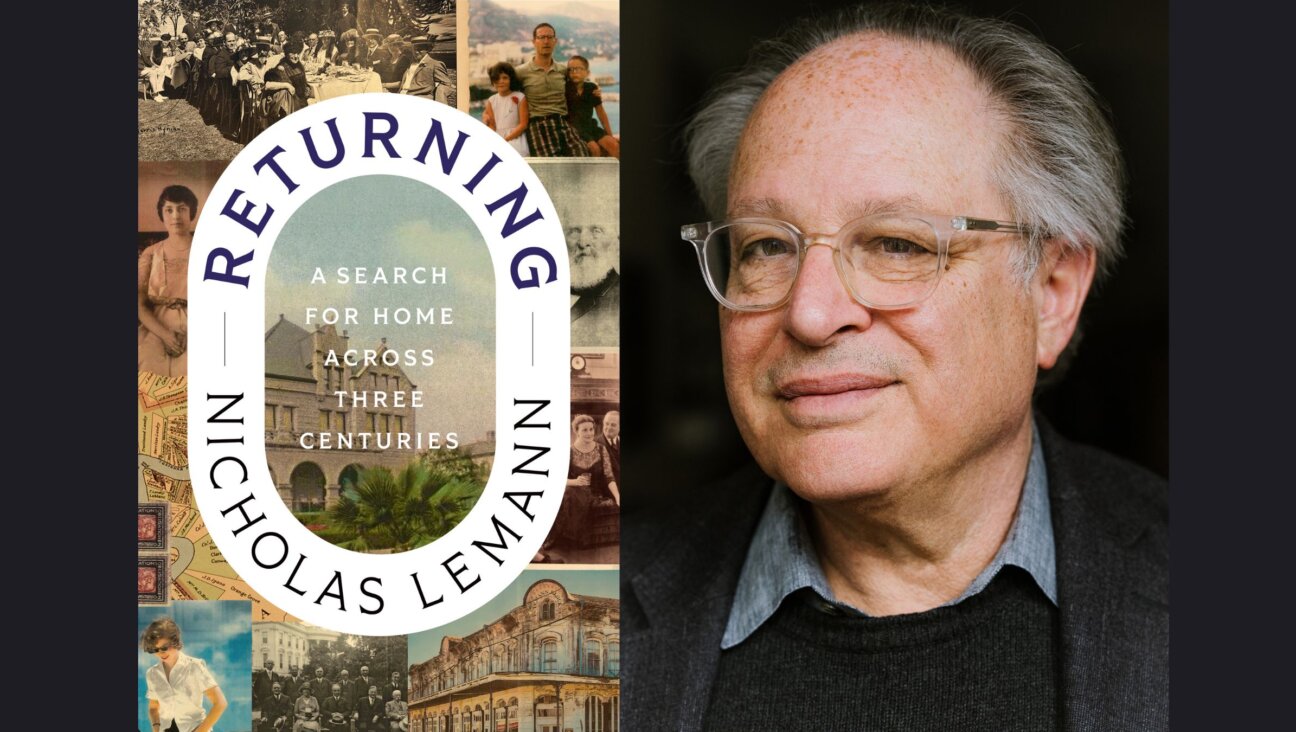
An online course about the vibrant world of Hasidic creativity begins this Wednesday, Feb. 26 at the Workers Circle. It will be taught by the Yiddish activist Eli Benedict, who hails from a Hasidic family in B’nai B’rak, Israel and calls himself “a secular Hasid.”
The 10-week course, which is directed at intermediate and advanced Yiddish students, will meet every Wednesday from 2:30 to 4 p.m. ET. It includes the following topics within the field of Hasidic culture:
- The artistry of the badchen — the Jewish entertainer at weddings and other celebrations who acts as a master of ceremonies, poet and jester, guiding the bride and groom through the ceremony with songs, jokes and witty commentary, often accompanied by klezmer music
- Philosophical Hasidic texts
- Works, both fiction and non-fiction, by former Hasidim before and after the Holocaust
- Mystical tales
- Contemporary Hasidic pop songs
- The Yiddish lexicon of Hasidic attire, song and dance
- Writings by Hasidic women.
Besides teaching, Benedict leads programming at a number of Yiddish organizations, including the League for Yiddish, Yung Yiddish Tel Aviv and YO-Yiddish ORT and is a researcher with the UCL Contemporary Hasidic Yiddish research project. He’s also an actor and a dancer and teaches courses on Hasidic/Jewish dance. Register for the course here.
This is a moment of great uncertainty. Here’s what you can do about it.
We hope you appreciated this article. Before you go, we’d like to ask you to please support the Forward’s independent Jewish news this Passover.
This is a moment of great uncertainty for the news media, for the Jewish people, and for our sacred democracy. It is a time of confusion and declining trust in public institutions. An era in which we need humans to report facts, conduct investigations that hold power to account, tell stories that matter and share honest discourse on all that divides us.
With no paywall or subscriptions, the Forward is entirely supported by readers like you. Every dollar you give this Passover is invested in the future of the Forward — and telling the American Jewish story fully and fairly.
The Forward doesn’t rely on funding from institutions like governments or your local Jewish federation. There are thousands of readers like you who give us $18 or $36 or $100 each month or year.
Support our mission to tell the Jewish story fully and fairly.