What’s a gender-segregated Hasidic pilgrimage like?
An anthropologist and a Hasidic linguist will describe it at the Yiddish New York festival

Pilgrims at Reb Shayele’s grave singing and praying Photo by Kerestir News
By Rukhl Schaechter December 16, 2025
Anthropologist Samuel Shuman and Yiddish linguist Chaya Nove recently conducted a unique sort of joint fieldwork: they attended the annual Hasidic pilgrimage to Hungary that brings thousands of people to the gravesite of Rabbi Yeshaya Steiner, a Hasidic rabbi known as Reb Shayele.
The two researchers will discuss their findings at the Yiddish New York festival, the largest annual Yiddish culture festival in the world, on Wednesday, Dec. 24 at Hebrew Union College in lower Manhattan. The discussion will be in English.
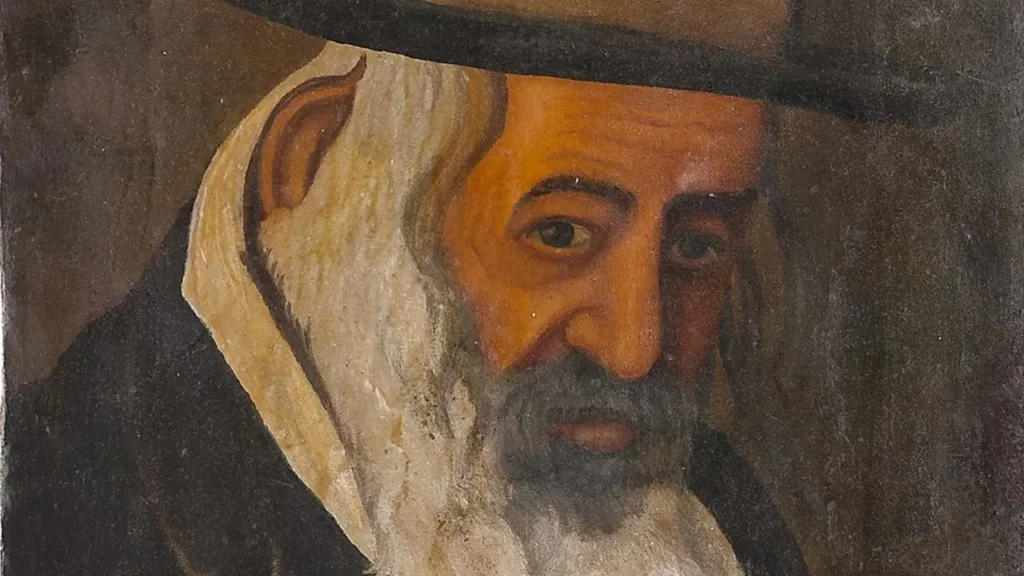
Since the fall of communism in 1989, Jewish pilgrims have been visiting Bodrogkeresztur, a city in Hungary known as Kerestir in Yiddish, in the spring, timed to the yortsayt, or death anniversary, of Reb Shayele, who died in 1925.
According to a 2023 article by the JTA, Reb Shayele is considered in some Hasidic circles to be a “miracle rabbi” who had supernatural powers of healing. The number of pilgrims has swelled in recent years — there were tens of thousands of pilgrims in 2023 — due to efforts by the rabbi’s descendants to elevate his profile.
Last May, thousands of people once again journeyed to Kerestir to take part in the spiritual gathering. While visiting Reb Shayele’s gravesite, the visitors prayed, lit candles and shared stories of his miracles and teachings.
Shuman, who’s writing a book about the revival of devotion to Reb Shayele, told the Forverts that until now, they had only been able to interact with men on the pilgrimages. “I wanted to understand the experiences of female pilgrims, so I asked Chaya if she might be interested in going and interviewing women,” Shuman said.
Nove was happy to do so. “I came on board to get a perspective from the other side of the mekhitse,” she said. A mekhitse is a partition that separates men and women in Orthodox synagogues and at other religious functions.
In their upcoming presentation, they will reflect on what they discovered — not only from the pilgrims they engaged with, but also from the research process itself. One question they will address is: What are the opportunities and limitations of this experimental mode of collaborative research?
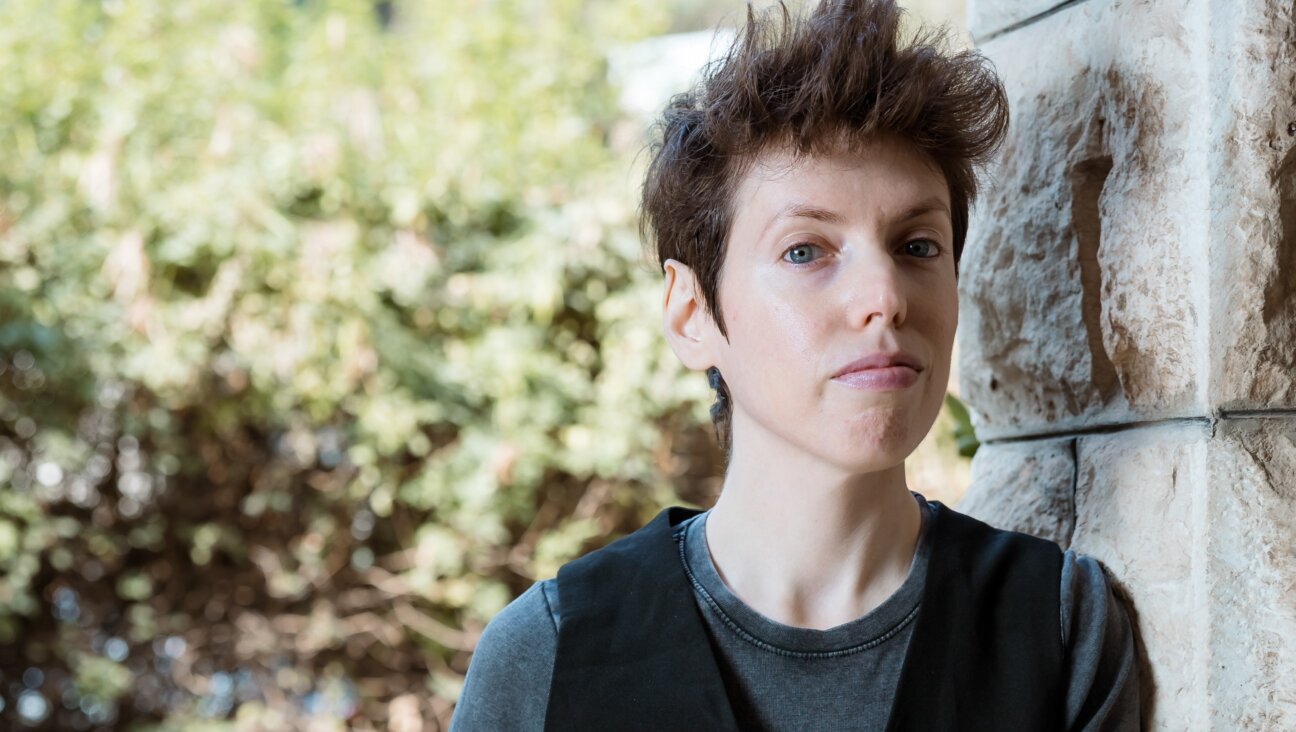
Chaya R. Nove is a sociolinguist focusing on variation and change in Hasidic Yiddish and its prewar ancestral dialects. She is currently a Visiting Research Scholar at Fordham University, where she’s developing a social history of Hasidic Yiddish in postwar New York. Her work has appeared in the Journal of Jewish Languages and Language Documentation & Conservation.
Sam Shuman is Assistant Professor in the Department of Religious Studies in the Jewish Studies Program at the University of Virginia. Shuman researches Hasidic Judaism within a global context to rethink larger questions in political theology about race and religion, global capitalism, gender and sexuality, sovereignty and empire and has had articles published or will be published in the Jewish Quarterly Review; Shofar; Images: A Journal of Jewish Art & Visual Culture, and Religions.
Their discussion of the pilgrimage will take place on Wednesday, Dec. 24 at Hebrew Union College. It will also be streamed online.
For more information and to register for the session, click here.