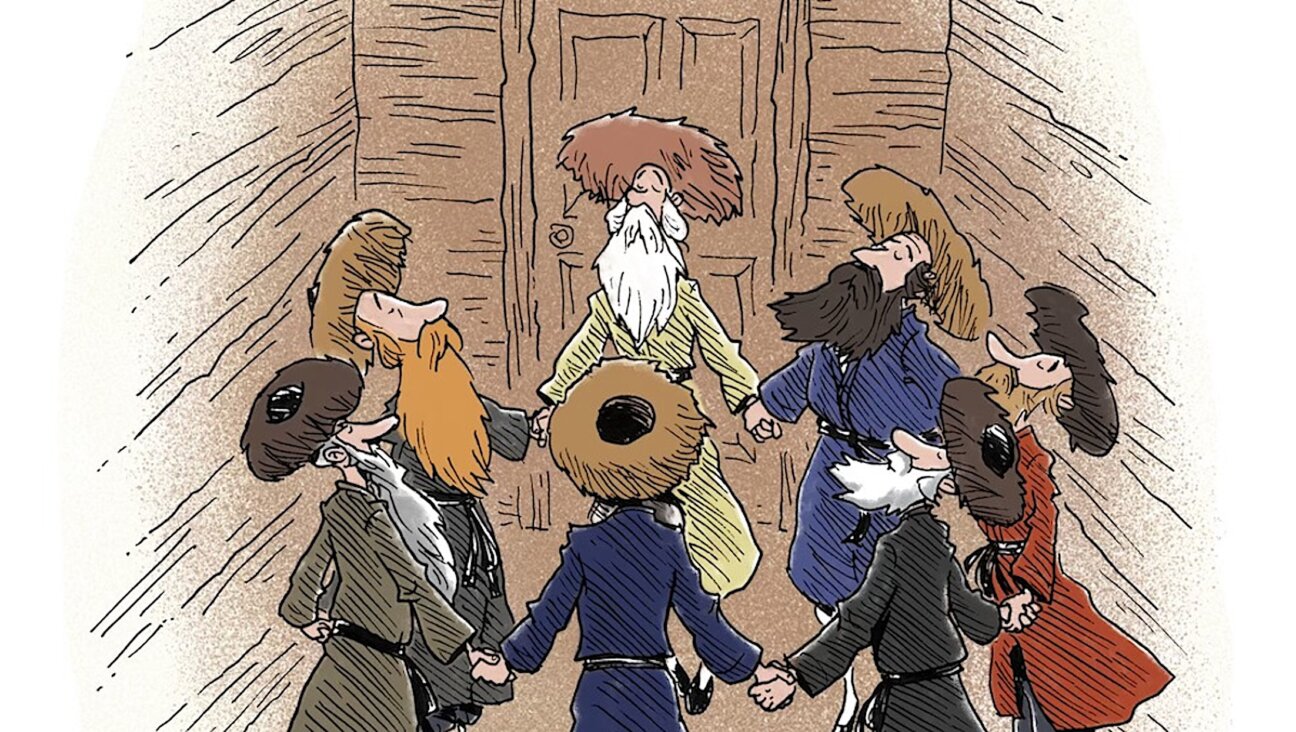
VIDEO: A song about a Jewish girl, Khaye, who died in Treblinka
Binem Heller wrote the poem about his sister who, before the war, would watch over him and his brothers while their mother worked
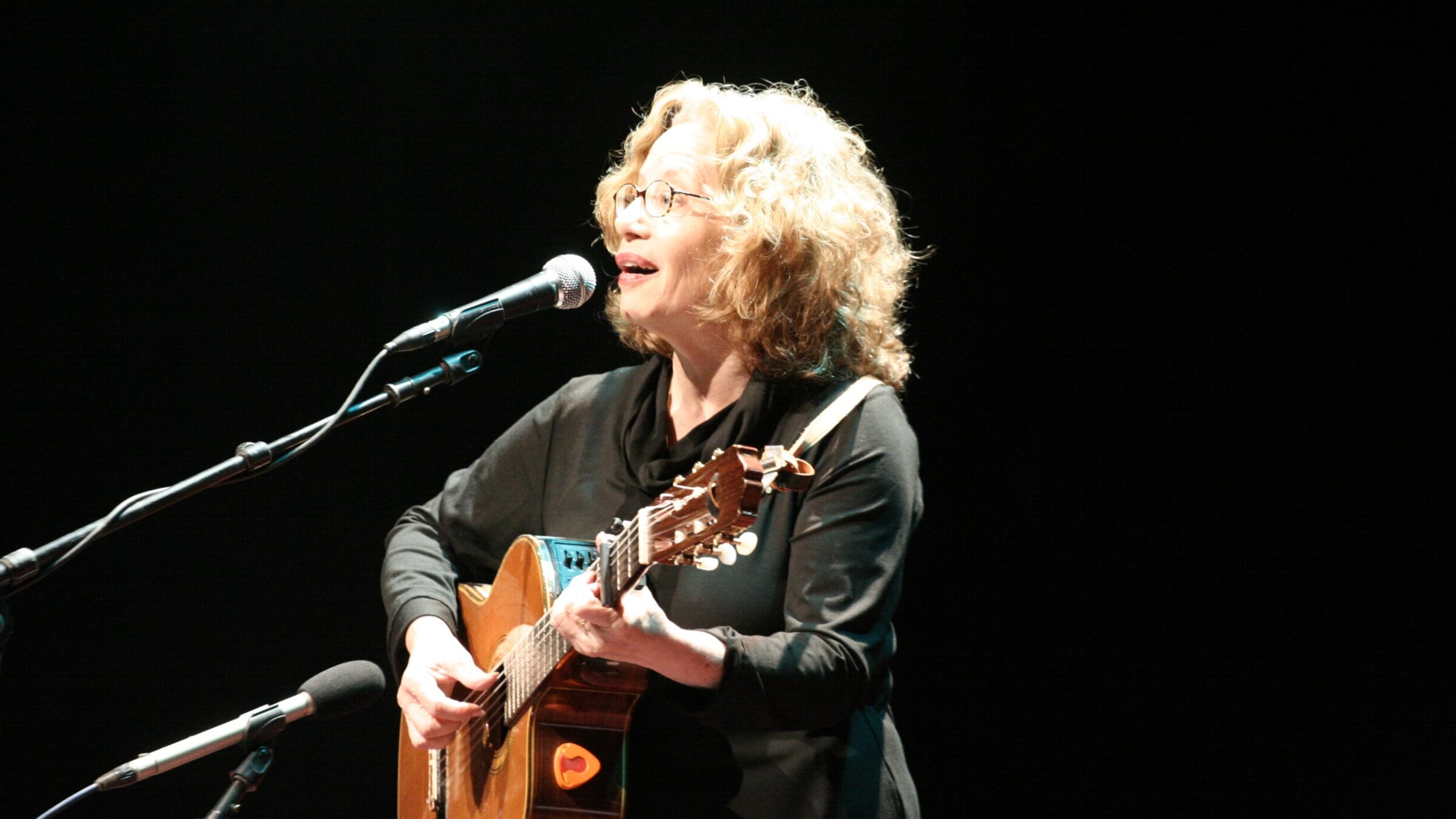
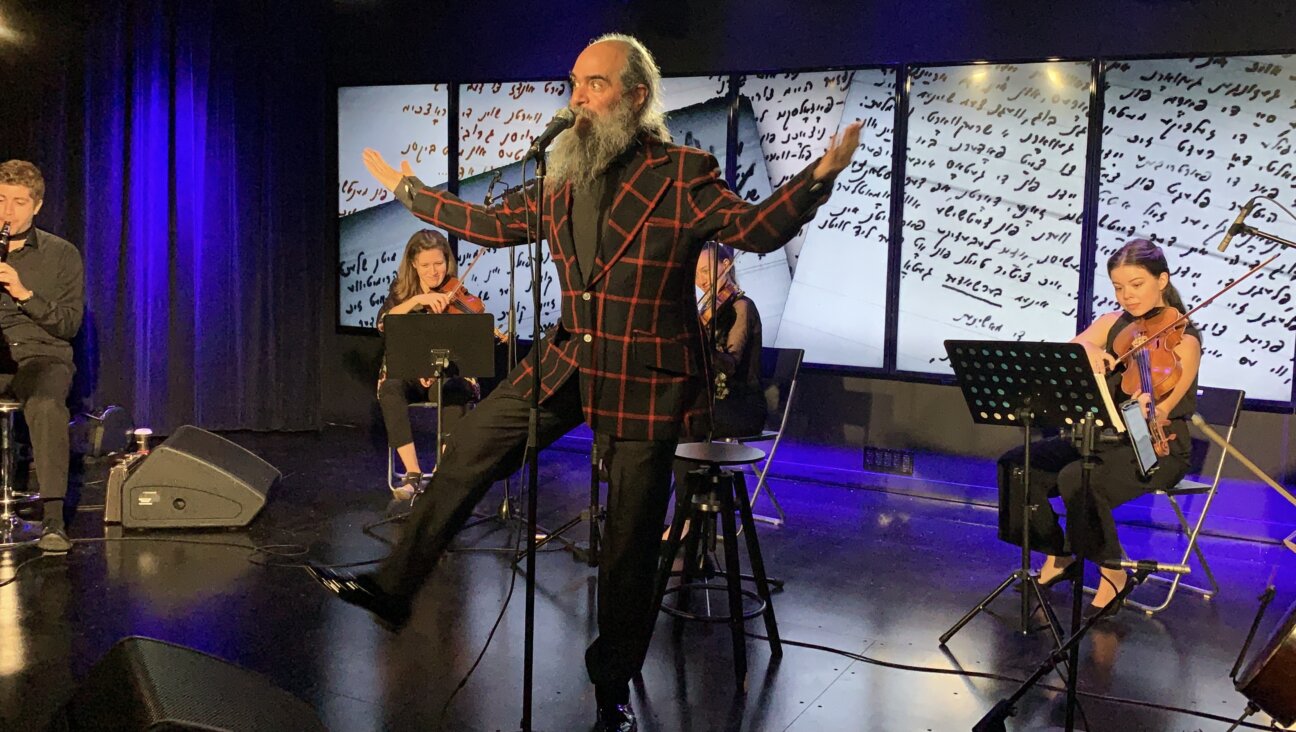
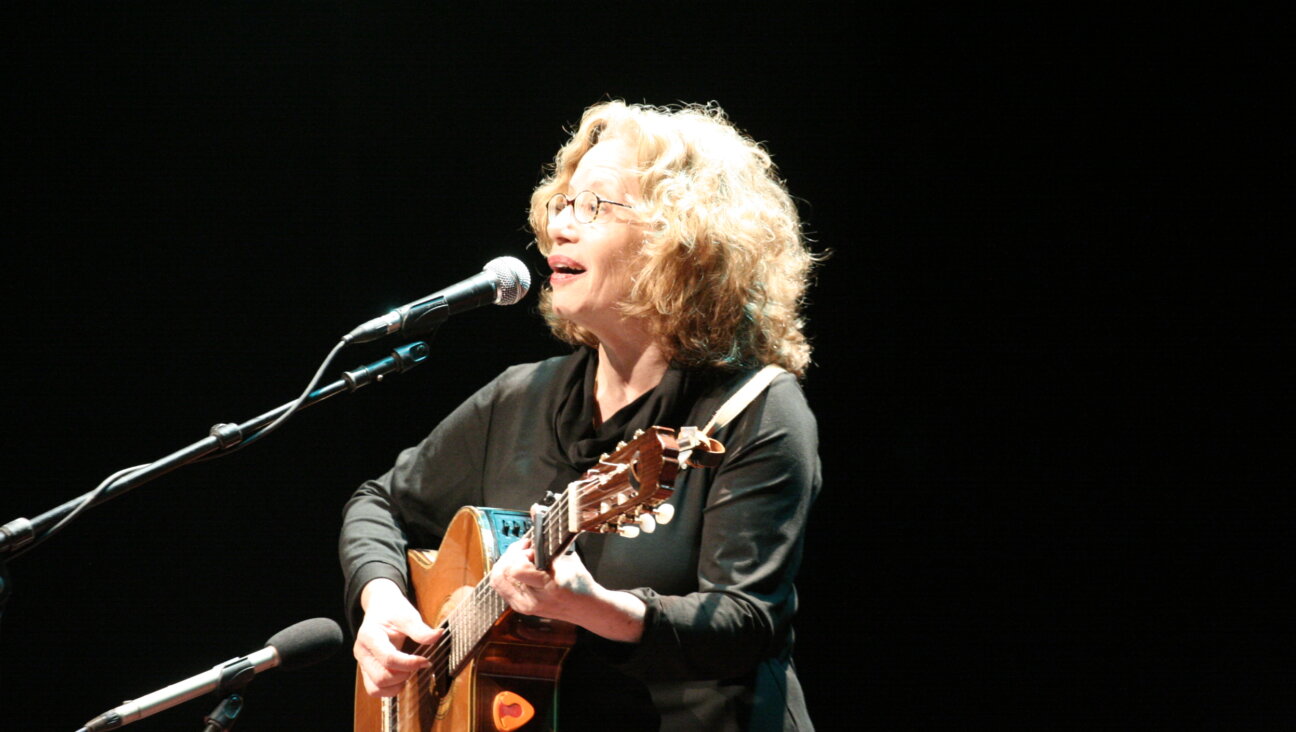
Chava Alberstein set Binem Heller’s poem “My Sister Khaye” to music and recorded it with the Klezmatics in 2001 Photo by Wikimedia Commons
By Rukhl Schaechter April 13, 2026
One of the most renowned poems by the Yiddish poet Binem Heller is one he wrote for his older sister Khaye who perished in the Treblinka concentration camp.
In the poem, “Mayn shvester Khaye” (“My sister, Khaye”) he describes how, before the war, she would look after him and his brothers as their mother worked:
And Khaye remained at home with her brothers
She fed them and looked after them
And she’d sing them beautiful songs often sung in the evening
As little children grow sleepy.
After the war, Heller returned to Poland, hoping to help revive its Jewish cultural life, but he became disillusioned and moved, first to Paris and then to Brussels. In 1956, he visited Israel, which was then a hotbed of Yiddish creativity, thanks to a number of poets who, having survived the Holocaust, had settled there. Heller was warmly received and ended up staying in Israel until his death in 1998.
The acclaimed Israeli singer Chava Alberstein befriended him and other Yiddish poets in Israel, and in 1995, she and film director Nadav Levitan released a documentary film about them. The film, Too Early to Be Quiet, Too Late to Sing, includes a moving video clip of Heller’s wife Hadassah Kestin reciting “My Sister Khaye,” as Heller sits in the background, listening solemnly:
In 2001, Alberstein set the poem to music and recorded it with The Klezmatics, bringing Heller’s words to a much wider audience.
Musicologist Jane Peppler also performed it on the album “Rag Faire,” accompanied by English subtitles.
This is a moment of great uncertainty. Here’s what you can do about it.
We hope you appreciated this article. Before you go, we’d like to ask you to please support the Forward’s independent Jewish news. All donations are still being matched by the Forward Board - up to $100,000 until April 24.
This is a moment of great uncertainty for the news media, for the Jewish people, and for our sacred democracy. It is a time of confusion and declining trust in public institutions. An era in which we need humans to report facts, conduct investigations that hold power to account, tell stories that matter and share honest discourse on all that divides us.
With no paywall or subscriptions, the Forward is entirely supported by readers like you. Every dollar you give is invested in the future of the Forward — and telling the American Jewish story fully and fairly.
The Forward doesn’t rely on funding from institutions like governments or your local Jewish federation. There are thousands of readers like you who give us $18 or $36 or $100 each month or year.

Support our mission to tell the Jewish story fully and fairly.