Barack Obama Briefs Israel as Iran Nuclear Talks Move On
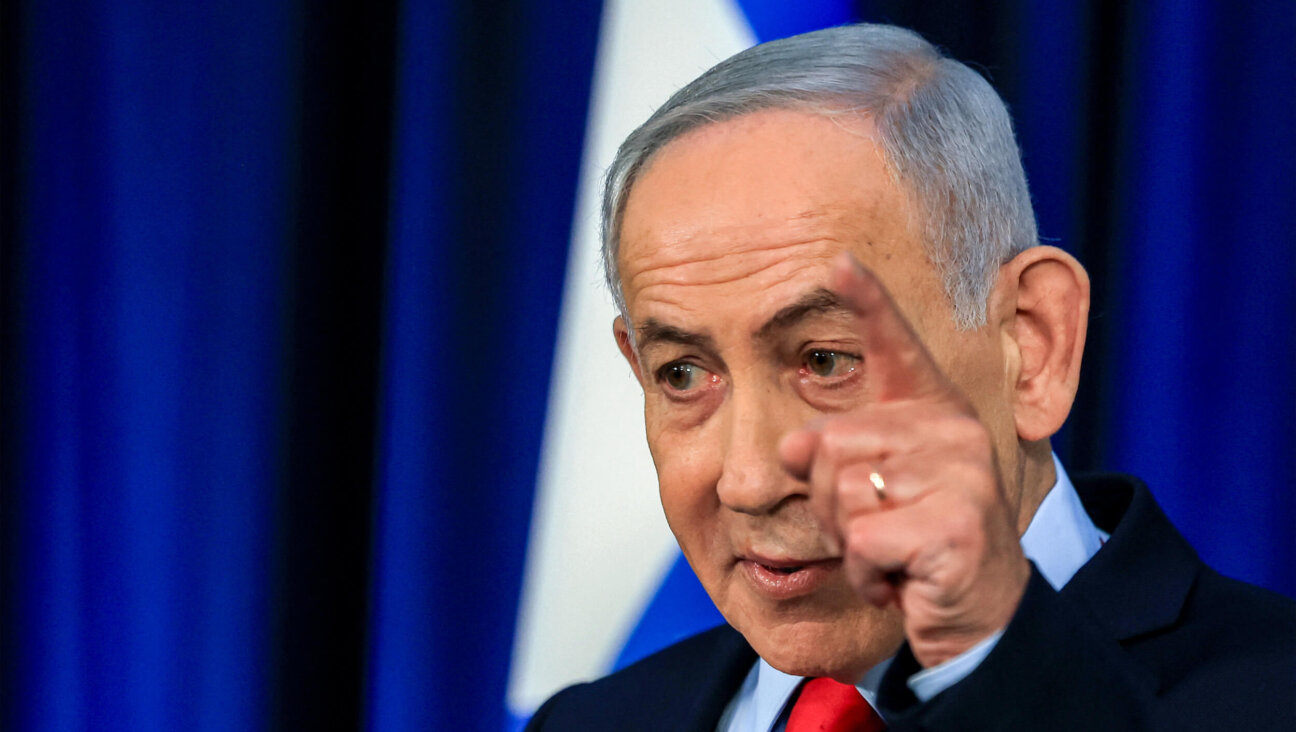
President Barack Obama called Prime Minister Benjamin Netanyahu on Friday after the Israeli leader delivered a stinging rebuke to Washington over a deal taking shape in talks between Iran and world powers seeking to curb Tehran’s nuclear program.
The telephone call marked an apparent bid by Obama to tamp down growing unease over the emerging Iran deal among the United States’ Middle East allies, including Saudi Arabia, as well as mounting opposition to the plan on Capitol Hill.
U.S. Secretary of State John Kerry, who flew to Geneva to join the high-stakes talks after what was described as a tense meeting with Netanyahu in Jerusalem, was seeking to close what he called “important gaps” with Iran over the terms of an agreement.
“The president provided the prime minister with an update on negotiations in Geneva and underscored his strong commitment to preventing Iran from obtaining a nuclear weapon, which is the aim of the ongoing negotiations,” the White House said, adding that they agreed to continue “to stay in touch on this issue.”
An Obama administration official said the call between the two leaders – who have a history of strained relations over Iran policy – was “very long” but declined to characterize the tone or provide further details.
Netanyahu warned Kerry and his European counterparts that Iran would be getting “the deal of the century” if they carried out proposals to grant Tehran limited, temporary sanctions relief in exchange for a partial suspension of its nuclear program and a pledge not to expand it.
“Israel utterly rejects it and what I am saying is shared by many in the region, whether or not they express that publicly,” Netanyahu told reporters in Jerusalem.
Israel, believed to be the Middle East’s only nuclear-armed power, has left open the prospect of military strikes on Iran’s nuclear sites if diplomacy fails to halt its atomic drive.
White House spokesman Josh Earnest responded earlier by saying it was premature for Israel and Saudi Arabia to criticize what was still being deliberated in Geneva.
But he said the United States and close ally Israel were “in complete agreement about the need to prevent Iran from obtaining a nuclear weapon.”
Saudi Arabia also has complained bitterly about the U.S. thaw in relations with Shi’ite Muslim Iran, the main regional rival of the Sunni-ruled kingdom.
Tehran is seeking relief from financial sanctions imposed by the United States and the European Union that have slashed its oil sales, severely hurting its economy.
Obama said on Thursday that he was open to “modest relief” on sanctions if Iran halts advancements on its nuclear program as talks on a permanent deal continue.
Washington and its allies believe Tehran is using its civilian nuclear program as a cover for seeking the ability to make a weapon, a charge Iran denies.
This is a moment of great uncertainty. Here’s what you can do about it.
We hope you appreciated this article. Before you go, we’d like to ask you to please support the Forward’s independent Jewish news this Passover. All donations are being matched by the Forward Board - up to $100,000.
This is a moment of great uncertainty for the news media, for the Jewish people, and for our sacred democracy. It is a time of confusion and declining trust in public institutions. An era in which we need humans to report facts, conduct investigations that hold power to account, tell stories that matter and share honest discourse on all that divides us.
With no paywall or subscriptions, the Forward is entirely supported by readers like you. Every dollar you give this Passover is invested in the future of the Forward — and telling the American Jewish story fully and fairly.
The Forward doesn’t rely on funding from institutions like governments or your local Jewish federation. There are thousands of readers like you who give us $18 or $36 or $100 each month or year.
Support our mission to tell the Jewish story fully and fairly.