HEARTFELT DRAMA
Divorce is never a simple affair, but it’s certainly made easier when the couple is childless. The exes go their separate ways and, hopefully, find happiness and new love. However, the intriguing premise of “Hard Love,” by acclaimed Israeli playwright Motti Lerner, complicates the issue.
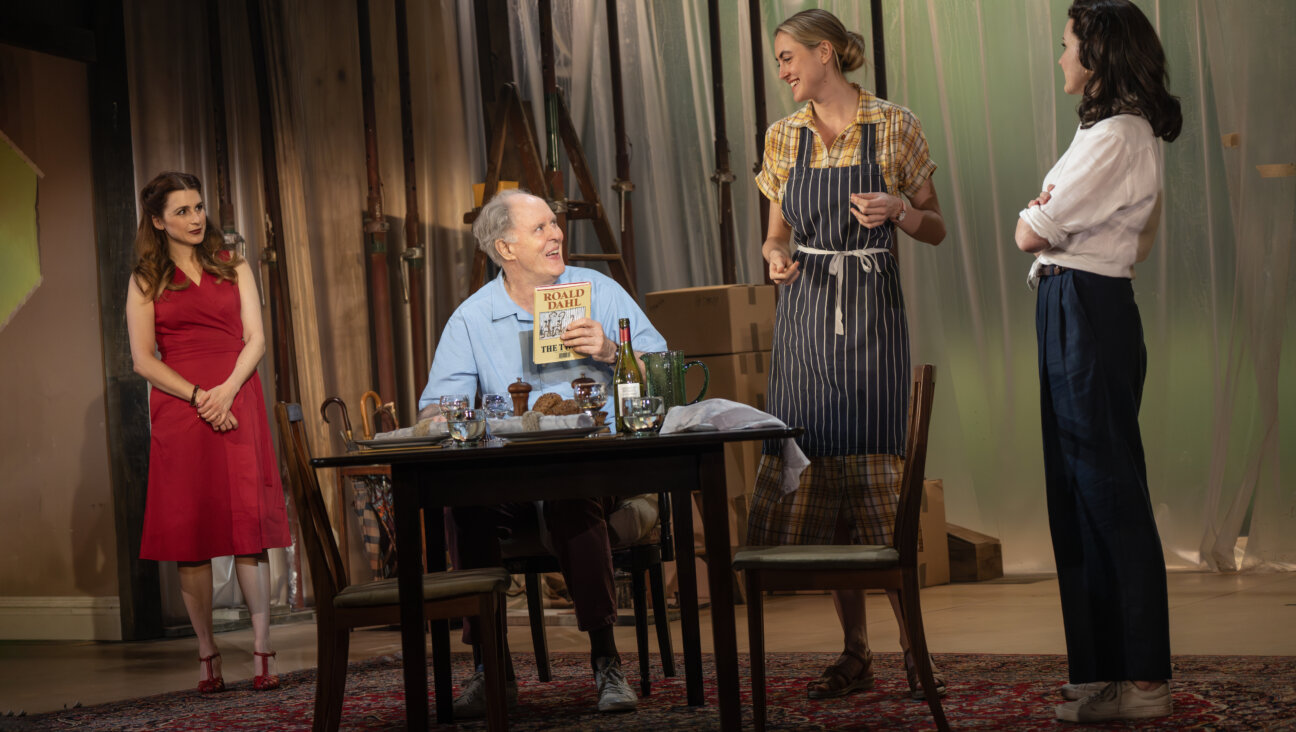
Hannah and Hershel, two young ultra-Orthodox newlyweds, are forced into divorce when Hershel renounces his religion. After the split, each remarries and has children. Their children grow up, meet and inevitably fall in love. This creates a slightly awkward situation, to say the least. Twenty-five years later, Hannah and Hershel reunite for the first time to discuss their predicament. As the discussion moves beyond their children’s problematic relationship, the play takes on larger issues such as the pros and cons of Orthodoxy, particularly for women; the existence of God; personal choice, and faith.
“Hard Love” ran for more than a year at the Haifa Municipal Theatre, and the play was presented February in its European premiere at the Teatro Argot in Rome, as part of its Mediterranean festival. Directed by Jeffrey West, “Hard Love” will be brought to Chicago by North Carolina’s Theatre Or, which presented the play in June 2005 in an acclaimed American premiere production.
Victory Gardens Theater, Downstairs Mainstage, 2257 N. Lincoln Ave., Chicago; Aug. 5-20; Wed.-Fri. 7:30 p.m.; Sat. 8 p.m.; Sun. 2:30 p.m.; $30, $35. (773-871-3000 or www.victorygardens.org)
This is a moment of great uncertainty. Here’s what you can do about it.
We hope you appreciated this article. Before you go, we’d like to ask you to please support the Forward’s independent Jewish news this Passover.
This is a moment of great uncertainty for the news media, for the Jewish people, and for our sacred democracy. It is a time of confusion and declining trust in public institutions. An era in which we need humans to report facts, conduct investigations that hold power to account, tell stories that matter and share honest discourse on all that divides us.
With no paywall or subscriptions, the Forward is entirely supported by readers like you. Every dollar you give this Passover is invested in the future of the Forward — and telling the American Jewish story fully and fairly.
The Forward doesn’t rely on funding from institutions like governments or your local Jewish federation. There are thousands of readers like you who give us $18 or $36 or $100 each month or year.
Support our mission to tell the Jewish story fully and fairly.