How yizkor books bring the sights, sounds, and even smells and tastes of lost Jewish shtetls back to life
After the Holocaust, survivors and emigrés documented the ways of life characteristic of their fallen hometowns
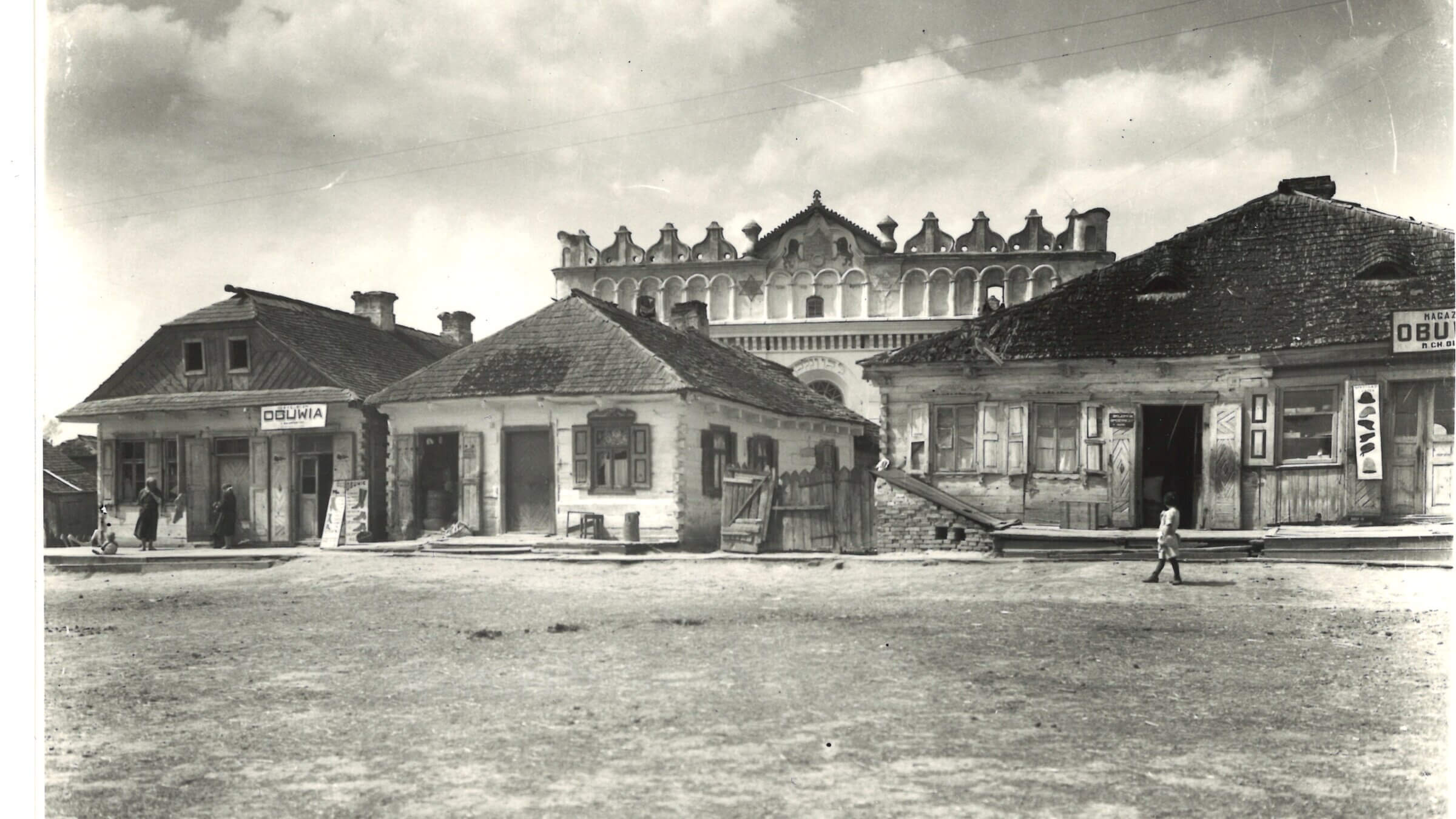
An image of the author’s ancestral shtetl — Luboml, Poland. Courtesy of Jane Ziegelman

By Jane Ziegelman January 26, 2026
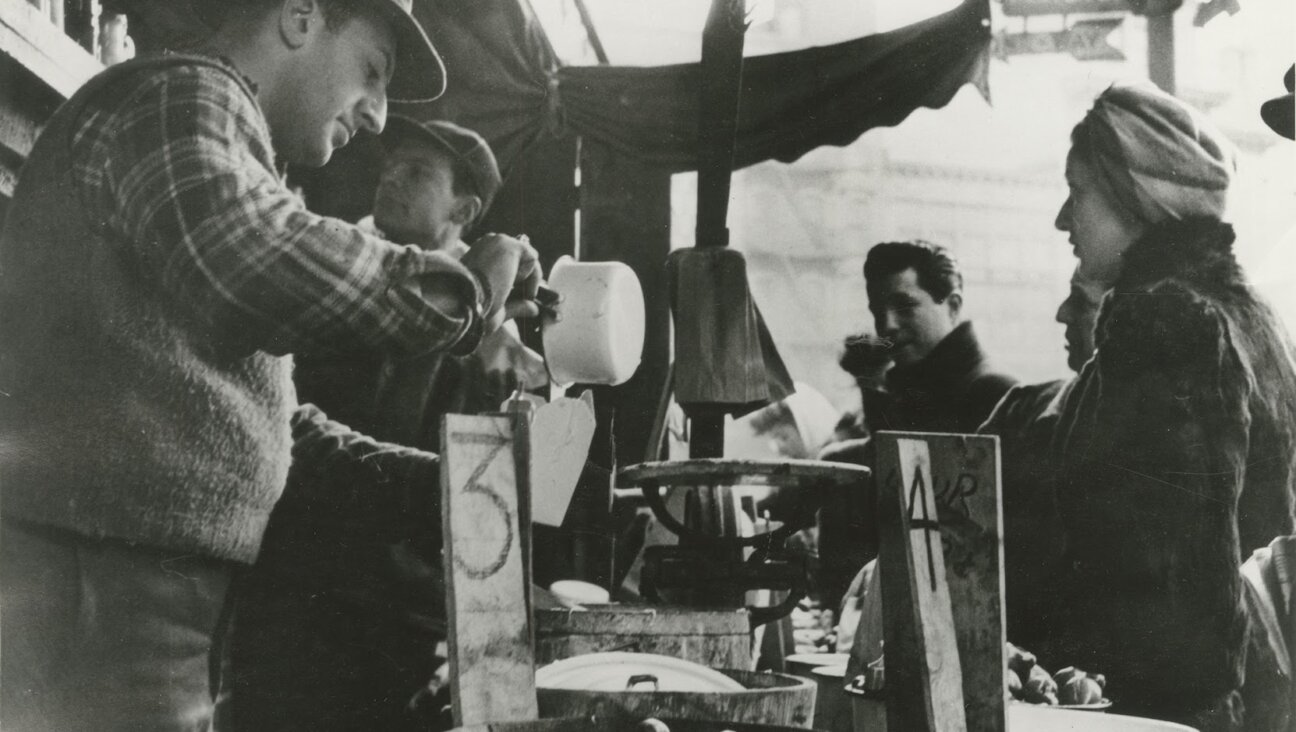
Rye bread, sour milk, and maybe some herring — for a poor Jew, these were the makings of a meal. The Jews I have in mind were residents of the small market towns, or shtetls, once strewn across Eastern Europe. Shtetls had their token elites, the grain and lumber brokers who ate white bread with butter. For the vast majority, however, the bread was black and there was no butter.
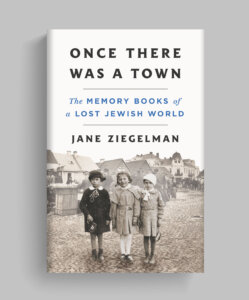
I’ve spent the last few years reading about these towns for Once There Was a Town, a book I’ve written about yizkor books and the world they portray. But my interest is more than academic; my father was born in one of these towns, and I’ve been hearing its stories since I was a kid.
The word yizkor is a form of the Hebrew verb “to remember.” Literally translated, it means “may he remember.” A yizkor book is a book of remembrance.

While the yizkor book tradition goes back to medieval times, those I’ve been studying were written after the Holocaust as a way to memorialize the communities destroyed by the Nazis and their facilitators. Anthologies of a sort, these books were written by both Holocaust survivors and emigrés from before the war, all from the same shtetl, working together to document the ways of life characteristic of their fallen hometowns.
Key players in their production were organizations that had formed decades before the Holocaust. Starting in the late 19th century, in immigrant cities like New York, Jews from the same town had banded together to create self-help societies which you could turn to in times of crisis. If a family member was sick and couldn’t work, these societies provided financial support. When a townsperson died, they ensured a plot in a Jewish cemetery. After the war, they assumed responsibility for writing the town yizkor book.
Erased from the physical world, those towns are conjured back into existence in these yizkor books. Working with the theory that whatever was left out would be forgotten, yizkor book writers sought to cast a wide net and record everything. Caught in that net were the foods people ate.
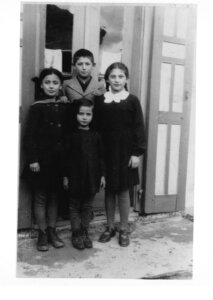
Left to right: Chaya Liba Peltz, Aaron Ziegelman, Luba Ziegelman.
In front, Tova Peltz Courtesy of Jane Ziegelman
The books speak eloquently to the sparsity of the weekday diet, which for many consisted primarily of potatoes, porridge and coarse, rye bread. Six days of austerity, however, were followed by the Sabbath, when Jews are commanded to partake “of fruits and delicacies and to inhale sweet odors.” Sabbath foods shared certain characteristics. Challah and gefilte fish were sweet and delicate, and so was compote (stewed fruit) and tsimmes, (carrots sweetened with prunes.) It was fat, however, that people hankered for most. Chicken soup with golden rings of fat dancing across the surface, chopped liver enriched with onions fried in goose fat (shmaltz), stuffed derma (cow intestine stuffed with flour and schmaltz) and a schmaltz-laden kugel.
Our modern-day food groups — protein, fat, carbohydrates — held no meaning for a poor Jew who saw food in just two categories. Like heaven and earth, like men and women, like time itself, food was divided into the holy and the mundane.
A qualification: All food comes from God so all food is holy. Certain foods, however, are fortified with an extra dose of holiness. In some cases, it was obvious which was which — between rye bread and challah, for example, there was no confusion. With some foods, however, it all depended on preparation. During the week, dried beans were combined with kasha or barley for a meal that was both cheap and filling. Saturday’s cholent was also made with beans, but these beans had been braising all night with a fatty bone. A potato soup “whitened” with a splash of milk was among the mundane foods Jews subsisted on Sunday through Friday. But a potato kugel, glistening with schmaltz and redolent of onion, was a dish worthy of the Sabbath Queen!
And then there were zoyers, the fermented foods that defied classification. Cucumbers, beets, mushrooms, radishes, cabbage, apples and even berries were some of the foods that homemakers turned into zoyers, what we call pickles. For people who relied so heavily on bread and potatoes, the tang of a zoyer provided a welcome counterpoint to all that starchiness. And when the pickles were gone, you could dip your potato into the sour and salty brine.
Zoyers also came in liquid form, the most popular of which was a drink called kvass. A fermented drink made from stale bread, kvass was produced both at home and by the local kvassnik or kvass maker. Jews loved their kvass for its fizzy tartness. More than that, however, they saw it as a kind of culinary metaphor. In the sourness of kvass, they saw their own lives. Here, a former resident of Rakishok, a shtetl in Lithuania,, remembers his weekly visits to the kvass maker:
I remember how my father would send me with a kopek on Shabbos night to buy kvass for Havdalah. The kvass, alas, was made from the crusts of black bread, and was very sour, like the sourness of the mood of the coming gray week and its worries.
Zoyers were also at home on the Sabbath table; in fact, meals were considered incomplete without them. Or to put it another way, zoyers offered a kind of culinary satisfaction that no other food could deliver.
“A young man sat down to a holiday meal of chicken, kreplach and tsimmes,” one yizkor book author wrote. “After the meal, his wife asked if he was satisfied with the food. ‘Of course,’ he answered, ‘but unless I have eaten even a little bit of zoyers, I am not a person.’”
I take comfort knowing that this is a feeling I have experienced too.
This is a moment of great uncertainty. Here’s what you can do about it.
We hope you appreciated this article. Before you go, we’d like to ask you to please support the Forward’s independent Jewish news this Passover. All donations are being matched by the Forward Board - up to $100,000.
This is a moment of great uncertainty for the news media, for the Jewish people, and for our sacred democracy. It is a time of confusion and declining trust in public institutions. An era in which we need humans to report facts, conduct investigations that hold power to account, tell stories that matter and share honest discourse on all that divides us.
With no paywall or subscriptions, the Forward is entirely supported by readers like you. Every dollar you give this Passover is invested in the future of the Forward — and telling the American Jewish story fully and fairly.
The Forward doesn’t rely on funding from institutions like governments or your local Jewish federation. There are thousands of readers like you who give us $18 or $36 or $100 each month or year.
Support our mission to tell the Jewish story fully and fairly.