Utah Rep. Jason Chaffetz To Leave Congress After 2018
Graphic by Angelie Zaslavsky
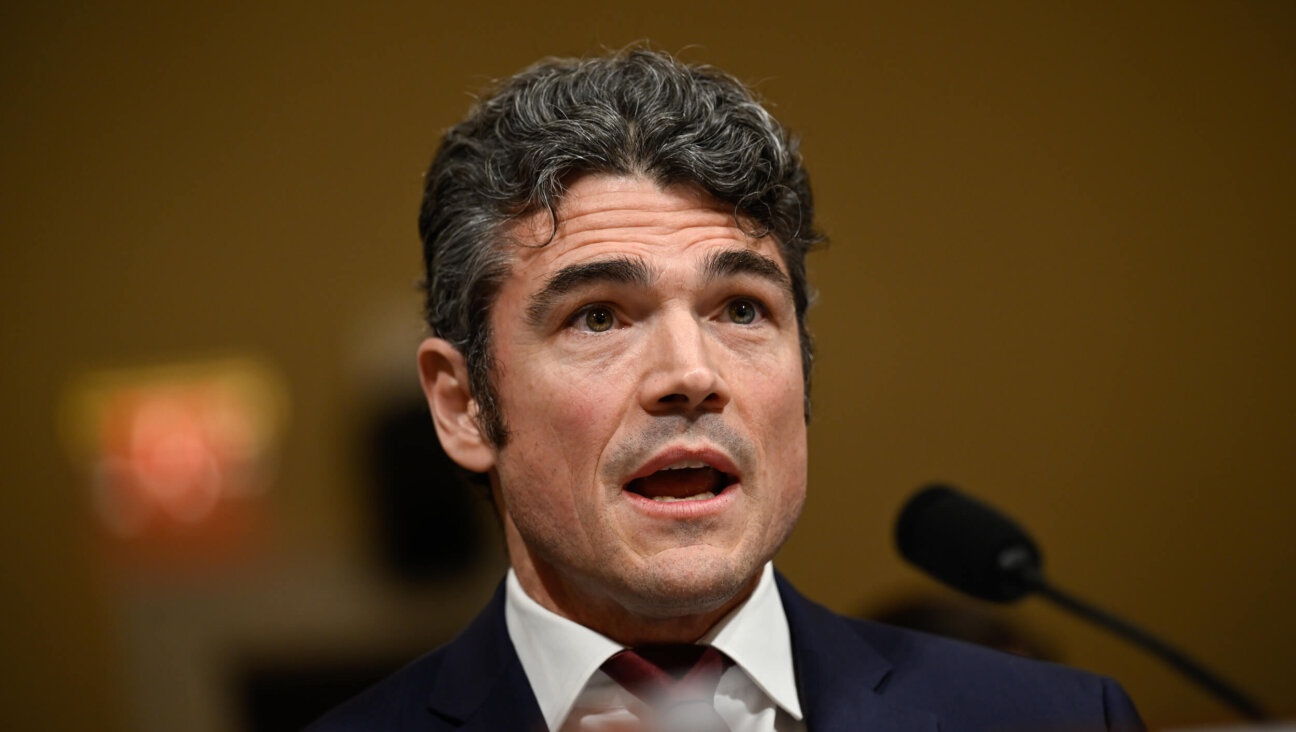
U.S. Representative Jason Chaffetz, who chairs a House committee with broad investigative powers, announced his plans on Wednesday to leave Congress after the 2018 midterm elections, saying he had no intention of running for any political office.
“I have no ulterior motives. I am healthy. I am confident I would continue to be re-elected by large margins. I have the full support of Speaker (Paul) Ryan to continue as Chairman of the Oversight and Government Reform Committee. That said, I have made a personal decision to return to the private sector,” Chaffetz said in a statement on Facebook.
The conservative Republican, who was first elected to the House in 2008 and represents a district in eastern Utah, gained prominence as head of the committee that was investigating Democratic presidential candidate Hillary Clinton’s use of a private email server.
During the raucous 2016 presidential campaign that pitted Clinton against Trump, Chaffetz distanced himself from the Republican candidate following the public airing of a video last year in which Trump made lewd comments about women.
But as Trump appeared to weather that storm and was competitive with Clinton in the homestretch to the Nov. 8 election, Chaffetz moderated his criticism of the New York real estate developer.
Chaffetz, 50, had in the past considered running for a Senate seat and in announcing his retirement from the House at the end of his term next year he is leaving open that option.
“I may run again for public office, but not in 2018,” Chaffetz said in his Facebook posting.
A former Chaffetz aide told Reuters the congressman may seek to run for Utah governor in 2020, though no firm decision had been made yet.
This is a moment of great uncertainty. Here’s what you can do about it.
We hope you appreciated this article. Before you go, we’d like to ask you to please support the Forward’s independent Jewish news this Passover.
This is a moment of great uncertainty for the news media, for the Jewish people, and for our sacred democracy. It is a time of confusion and declining trust in public institutions. An era in which we need humans to report facts, conduct investigations that hold power to account, tell stories that matter and share honest discourse on all that divides us.
With no paywall or subscriptions, the Forward is entirely supported by readers like you. Every dollar you give this Passover is invested in the future of the Forward — and telling the American Jewish story fully and fairly.
The Forward doesn’t rely on funding from institutions like governments or your local Jewish federation. There are thousands of readers like you who give us $18 or $36 or $100 each month or year.
Support our mission to tell the Jewish story fully and fairly.