Israeli City Must Remove Female Modesty Signs, Supreme Court Rules

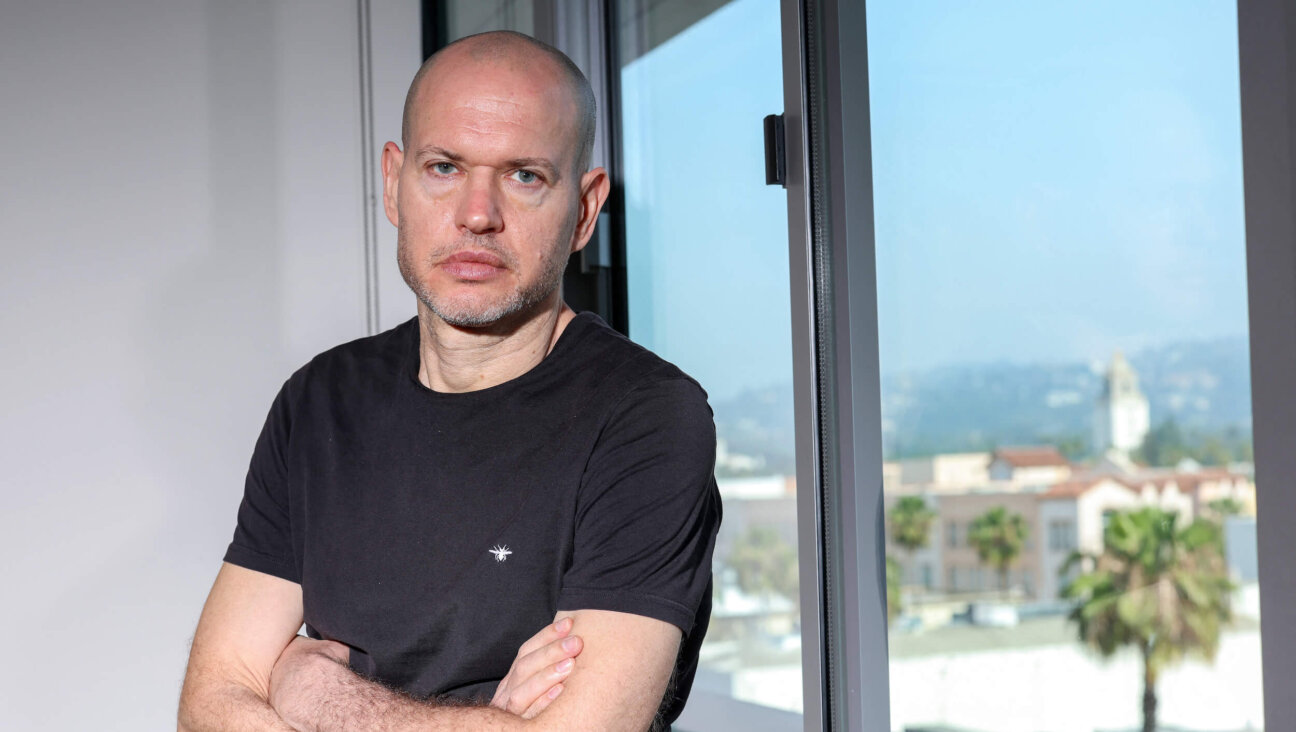
Image by Getty Images
JERUSALEM (JTA) — Israel’s Supreme Court ordered the Beit Shemesh municipality to remove signs that demand women dress modestly.
On Monday, the court rejected an appeal by the municipality of a lower court order in July to remove the signs. The high court ruled the signs, which the justices say exclude women from the public sphere, must come down by Dec. 12, Ynet reported.
Beit Shemesh, a city of some 110,000 that is 19 miles west of Jerusalem, was to have been fined 10,000 shekels a day, nearly $3,000, for every day the signs remained posted.
In its appeal, the municipality said the signs demanding conformity to haredi Orthodox dress are just “ideological signs.”
“Israel does not have streets that are closed to women,” Justice Hanan Meltzer responded in the courtroom, Ynet reported.
Beit Shemesh was first ordered to remove the signs in 2015, when the high court said that they “cause serious harm to human dignity, equality, personal choice and autonomy,” Ynet reported.
Two years later, when the signs were not removed, the women who filed the original lawsuit turned to an administrative court to enforce the ruling.
Beit Shemesh has seen conflict between haredi and non-haredi and secular residents over restrictions on women’s dress and gender-segregated seating on public buses. In a widely publicized incident in 2011, an 8-year-old Orthodox girl was spat on by haredim on the way to school for her perceived immodest dress.
Did you know that only 2% of Forward readers donate to support our nonprofit newsroom? That 2% make it possible for millions to read the Forward without a paywall or subscription — removing any barriers to the full and fair Jewish story.
But while the Forward is free to read, it isn’t free to produce. Big stories — like deep dives into the antisemitism data, political scoops or reporting trips to college campuses — take months of research and fact-checking. All while we keep you informed of what you need to know each day.
— Rachel Fishman Feddersen, Forward Publisher & CEO
Support our mission to tell the Jewish story fully and fairly.