Kushner Says Two-State Solution ‘Failed’

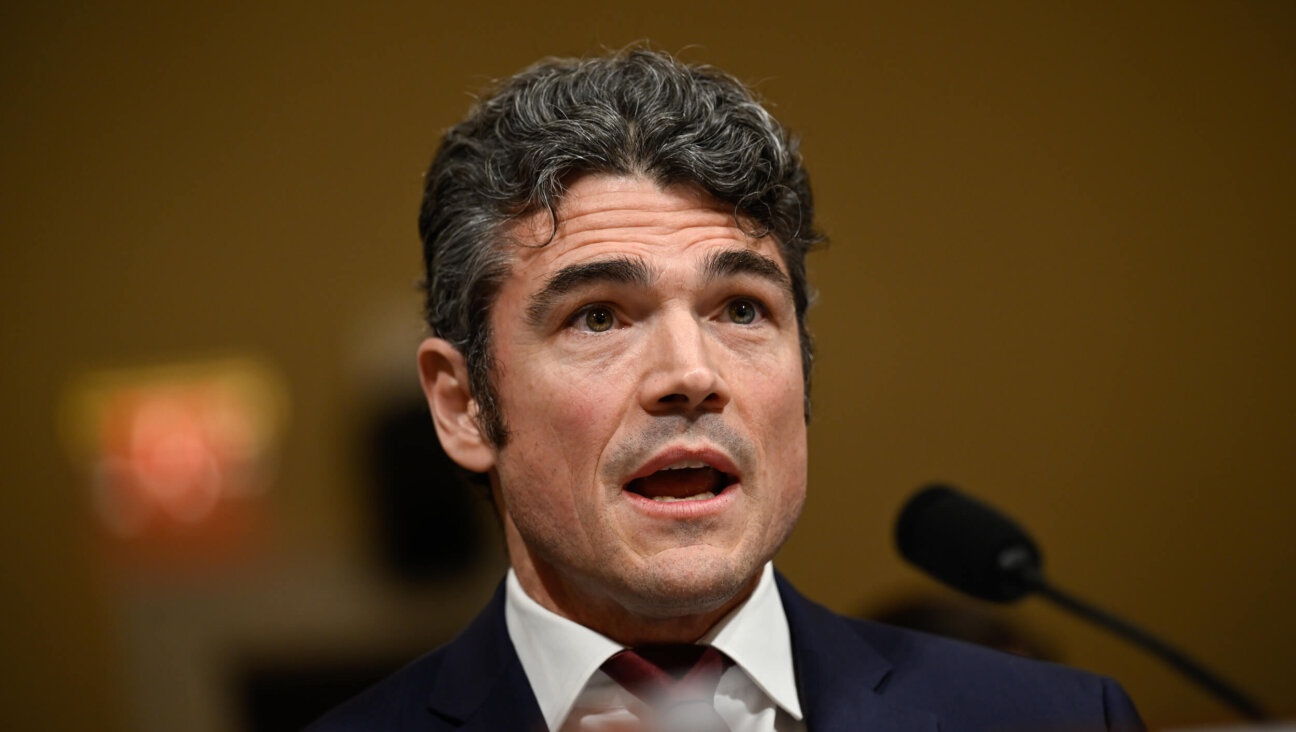
Jared Kushner Image by Getty Images

By Ron Kampeas April 23, 2019
WASHINGTON (JTA) — Jared Kushner said “the two-state solution failed,” setting up the likelihood that the peace plan he expects to release soon will include limited autonomy for Palestinians.
“New and different ways to reach peace must be tried,” Kushner, President Donald Trump’s son-in-law and one of the architects of the plan, said Tuesday at a Time magazine event.
Kushner has said the plan, which he figures to unveil in June, will emphasize economic benefits for the Palestinians and security for Israel. His top aides have already counseled those involved in the peace process not to use the phrase “two-state solution.”
Another architect of the plan, U.S. Ambassador to Israel David Friedman, has said that Israel will maintain security control over the West Bank, suggesting the limited autonomy for the Palestinians.
Palestinian leaders have said that anything short of statehood will lead them to demand full representation as voting Israeli citizens.
The Palestinian leadership, initially enthusiastic about Trump administration peace efforts, cut off Kushner and other negotiators after Trump recognized Jerusalem as Israel’s capital in December 2017.
This is a moment of great uncertainty. Here’s what you can do about it.
We hope you appreciated this article. Before you go, we’d like to ask you to please support the Forward’s independent Jewish news this Passover.
This is a moment of great uncertainty for the news media, for the Jewish people, and for our sacred democracy. It is a time of confusion and declining trust in public institutions. An era in which we need humans to report facts, conduct investigations that hold power to account, tell stories that matter and share honest discourse on all that divides us.
With no paywall or subscriptions, the Forward is entirely supported by readers like you. Every dollar you give this Passover is invested in the future of the Forward — and telling the American Jewish story fully and fairly.
The Forward doesn’t rely on funding from institutions like governments or your local Jewish federation. There are thousands of readers like you who give us $18 or $36 or $100 each month or year.
Support our mission to tell the Jewish story fully and fairly.