Around 100 Palestinians wounded in clashes with Israeli forces near Joseph’s Tomb
Most of the wounded suffered from smoke inhalation or hit by rubber bullets, according to reports from the Palestinian Red Crescent
Graphic by Angelie Zaslavsky
This article originally appeared on Haaretz, and was reprinted here with permission. Sign up here to get Haaretz’s free Daily Brief newsletter delivered to your inbox.
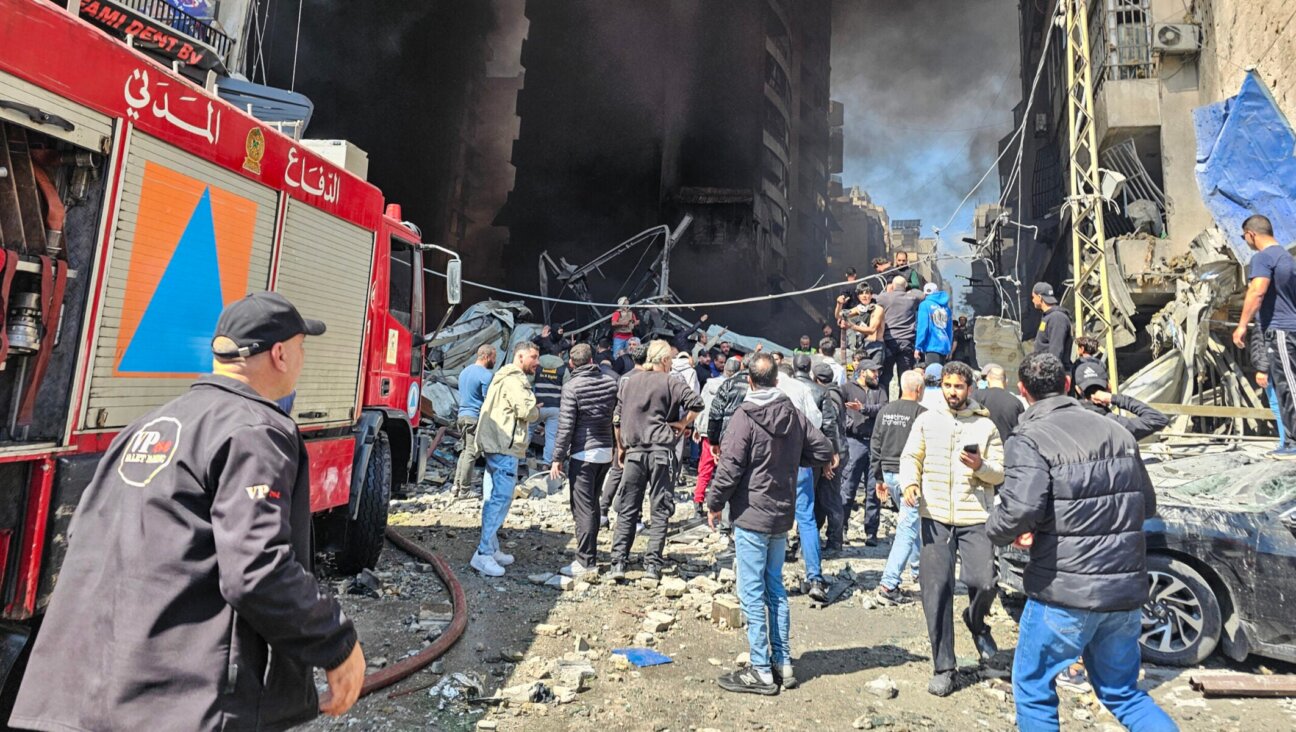
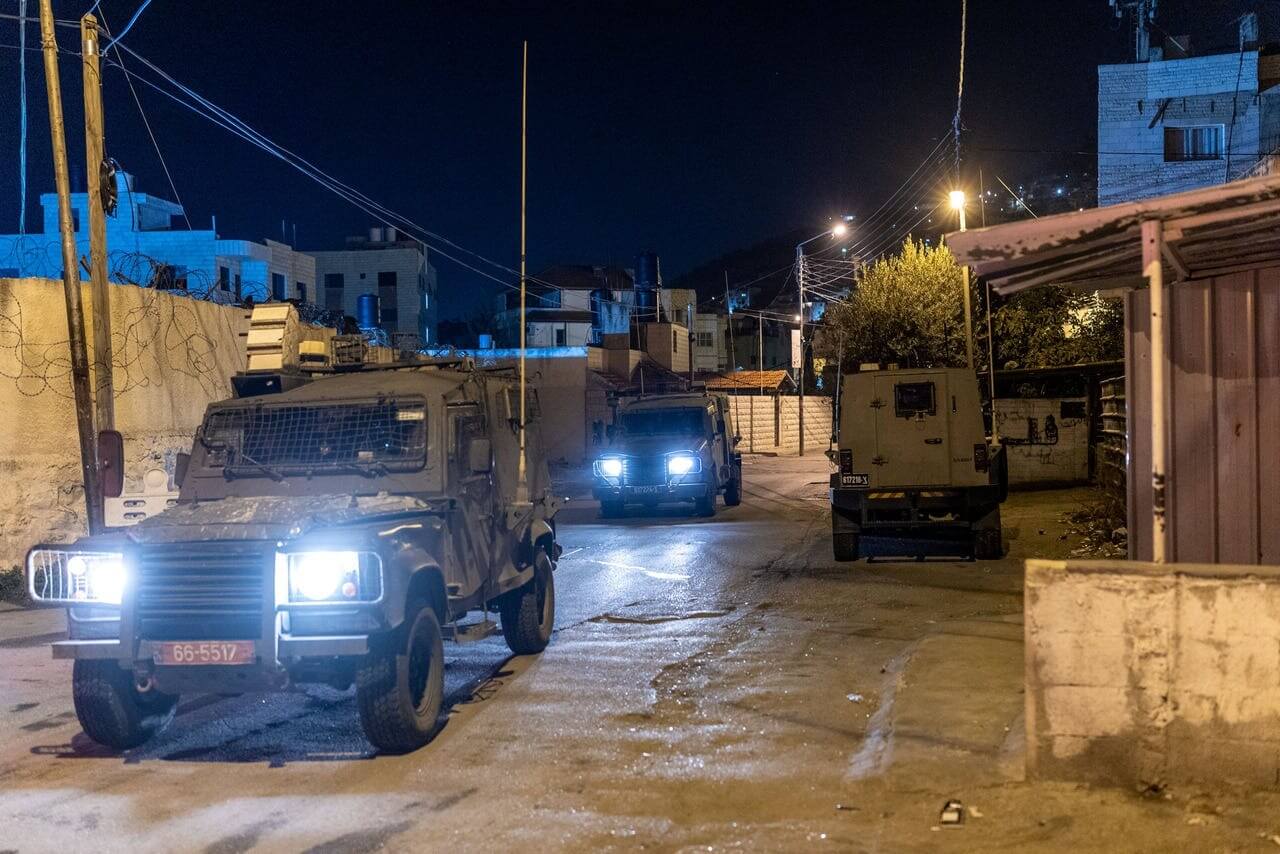
Around 100 Palestinians were wounded in the early hours of Thursday during clashes with Israeli security forces in the West Bank city of Nablus, near Joseph’s Tomb.
Most of the wounded suffered from smoke inhalation or hit by rubber bullets, according to the Palestinian Red Crescent.
The Red Crescent also reported that two Palestinians were injured by live fire to their lower bodies in the nearby Balata refugee camp. All injuries are considered light to moderate.
Over the past year, Joseph’s Tomb has become a flash point for clashes between Palestinians, Israeli visitors and the Israeli forces accompanying them. In many cases, the tensions spill over into firefights and casualties on the Palestinian side. Seven Palestinians were killed in 2022 during visits by Israeli worshippers to the site.
In July, 19-year-old Bader Sami Masri was shot and killed in clashes that erupted between Israeli troops and Nablus residents when thousands of Jewish worshipers, including Israel’s police chief, entered the town to pray at the site.
At the time, the Palestinian Red Crescent reported that four other Palestinians were wounded by gunfire and that 30 others suffered from tear gas inhalation, including a baby and a 12-year-old girl.
This is a moment of great uncertainty. Here’s what you can do about it.
We hope you appreciated this article. Before you go, we’d like to ask you to please support the Forward’s independent Jewish news this Passover. All donations are being matched by the Forward Board - up to $100,000.
This is a moment of great uncertainty for the news media, for the Jewish people, and for our sacred democracy. It is a time of confusion and declining trust in public institutions. An era in which we need humans to report facts, conduct investigations that hold power to account, tell stories that matter and share honest discourse on all that divides us.
With no paywall or subscriptions, the Forward is entirely supported by readers like you. Every dollar you give this Passover is invested in the future of the Forward — and telling the American Jewish story fully and fairly.
The Forward doesn’t rely on funding from institutions like governments or your local Jewish federation. There are thousands of readers like you who give us $18 or $36 or $100 each month or year.

Support our mission to tell the Jewish story fully and fairly.