Will Trump appoint a Jewish liaison? He’s the only president in nearly half a century who hasn’t.
Why some argue that having a Jewish son-in-law is not enough
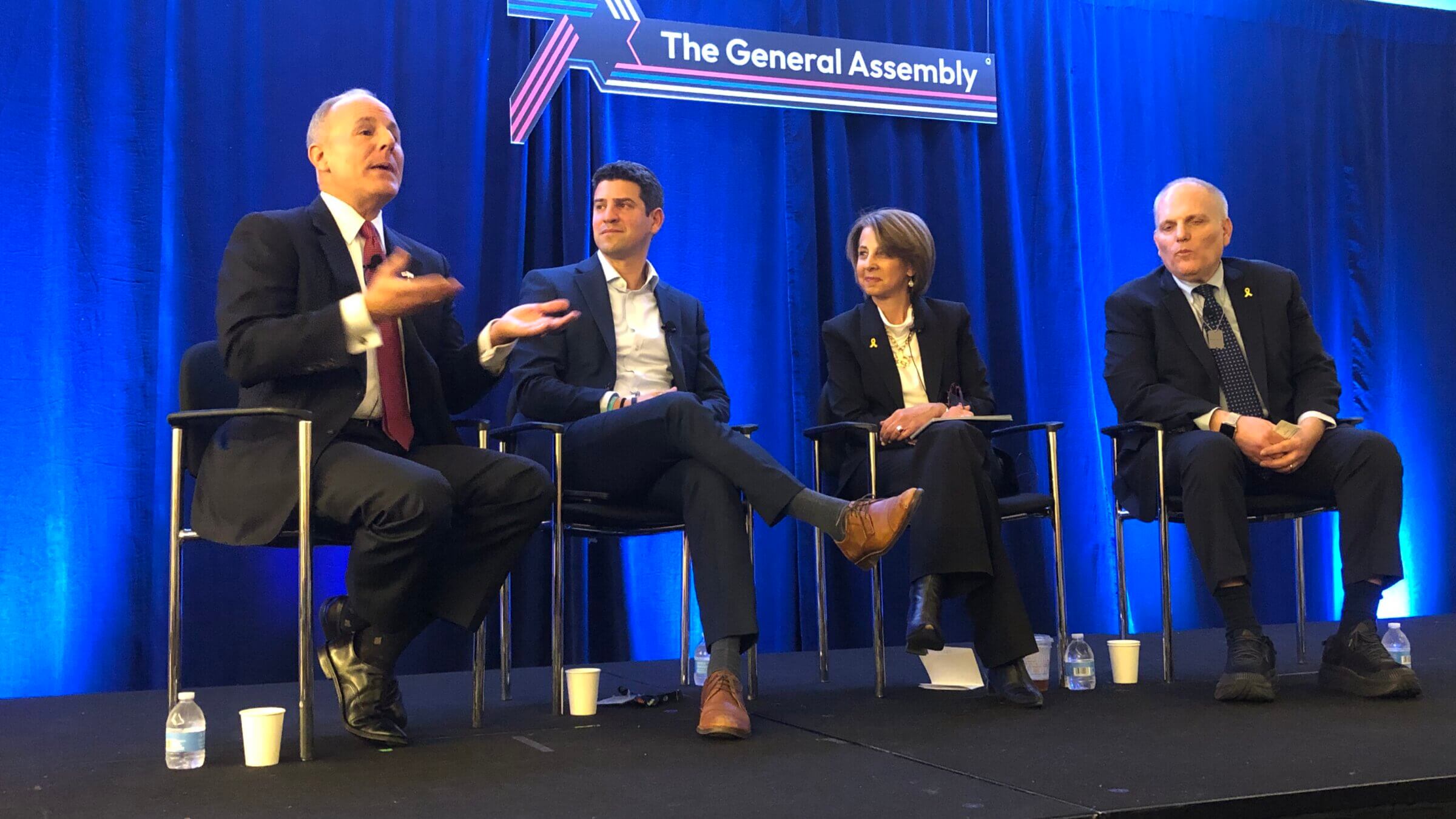
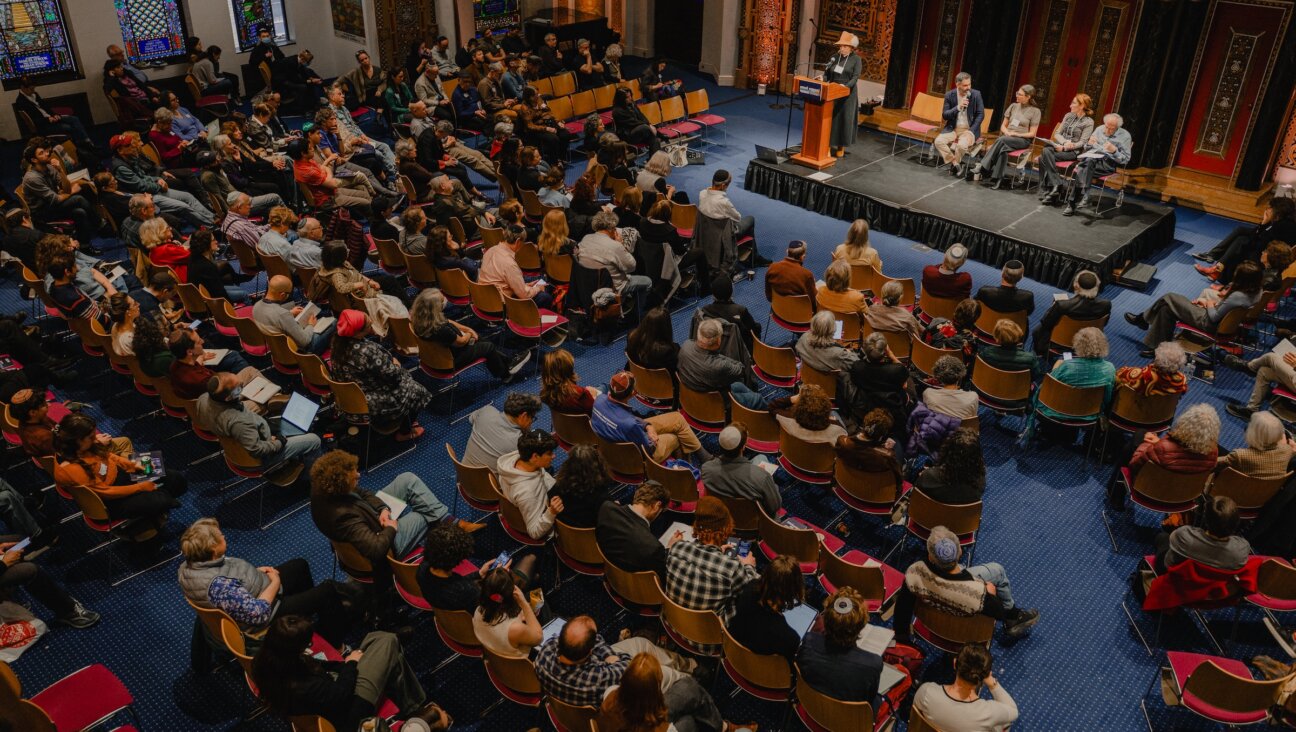
Left to right, Elan Carr, Trump’s special envoy on antisemitism; Chanan Weissmann, former White House liaison to the Jewish community; moderator Liz Shrayer and William Daroff, CEO of the conference of Presidents of Major American Jewish Organizations, discuss Jewish relations with presidential administrations on Nov. 11, 2024, at a panel organized by the Jewish Federations of North America at their annual conference in Washington, D.C. Photo by Lauren Markoe

By Lauren Markoe November 11, 2024
Every American president since Jimmy Carter has had a liaison to the Jewish community — except Donald Trump.
After Tuesday’s election, Jewish leaders from both parties and no parties are urging Trump to change that when he returns to the White House next year.
Chanan Weissman, who served in the role under both former President Barack Obama and President Joe Biden, said Monday that it’s important to have the liaison because Jews, like Blacks and Latinos, are a minority community in the United States. While Jared Kushner, Trump’s Jewish son-in-law, was an important adviser during the first Trump term, Weissman said, it’s not enough.
“He probably was somebody who had a relationship with certain individuals from certain parts of our community,” Weissman said of Kushner, who has said he will not serve in a second Trump administration. “The role of the liaison is really to be the open door for all members of the Jewish community, regardless of how powerful or how much influence or the strength of the relationship.”
Weissman was speaking on a panel called “Advising the Oval Office” as part of the annual conference of the Jewish Federations of North America in Washington, D.C.
Elan Carr, who served as Trump’s special envoy on antisemitism, was also on the panel, and said that while he did some of the work of a Jewish liaison, “it’s better to have one” officially.
“There was the internal White House dynamic, which I had access to, but I was still, you know, I had a job,” Carr said, adding that he was “astounded” by how much American Jews’ concerns were taken seriously by the administration.
Carr said after the panel that he “cant’ say” if he would take the liaison job if Trump offered it to him.
William Daroff, CEO of the Conference of Presidents of Major American Jewish Organizations, said during the panel discussion that Jewish liaisons in past administrations have had various amounts of influence.
“Who that person is —whether they’re a traffic cop or whether they’re a senior person who can actually open doors and also be a traffic cop — is important too,” Daroff noted.
This is a moment of great uncertainty. Here’s what you can do about it.
We hope you appreciated this article. Before you go, we’d like to ask you to please support the Forward’s independent Jewish news this Passover.
This is a moment of great uncertainty for the news media, for the Jewish people, and for our sacred democracy. It is a time of confusion and declining trust in public institutions. An era in which we need humans to report facts, conduct investigations that hold power to account, tell stories that matter and share honest discourse on all that divides us.
With no paywall or subscriptions, the Forward is entirely supported by readers like you. Every dollar you give this Passover is invested in the future of the Forward — and telling the American Jewish story fully and fairly.
The Forward doesn’t rely on funding from institutions like governments or your local Jewish federation. There are thousands of readers like you who give us $18 or $36 or $100 each month or year.
Support our mission to tell the Jewish story fully and fairly.