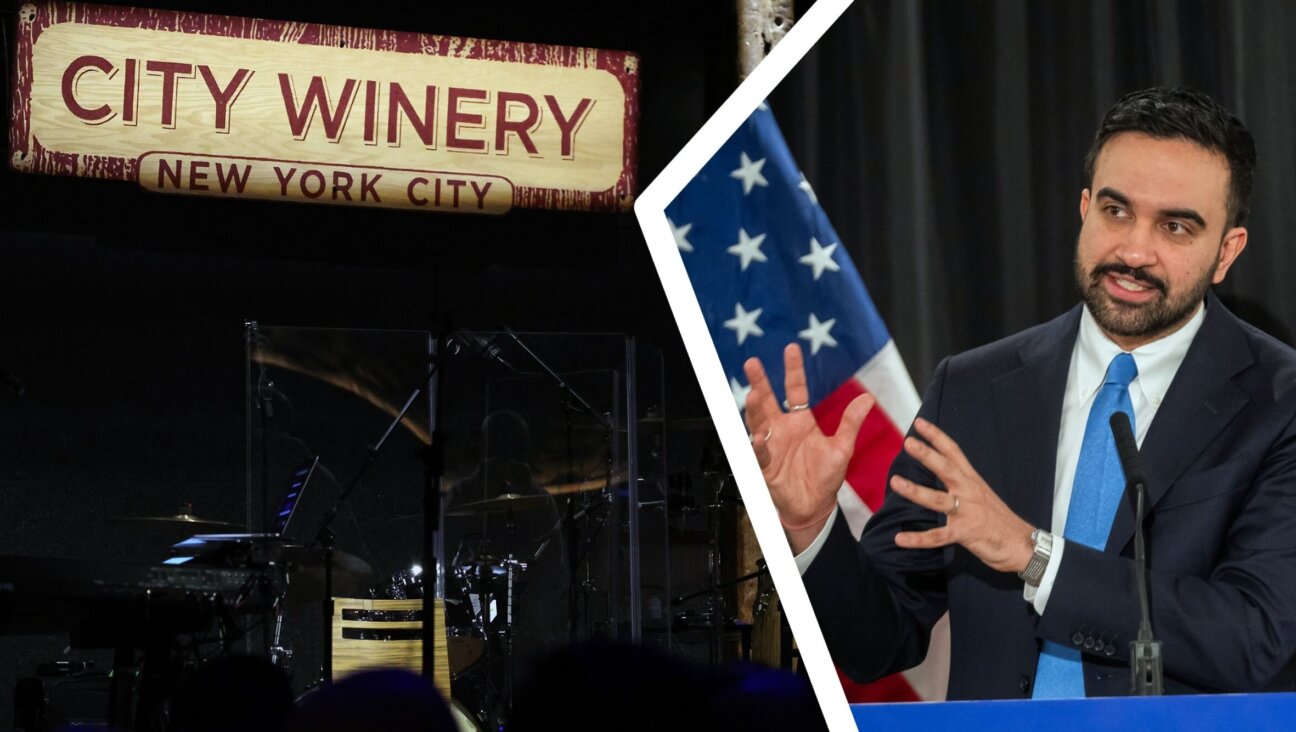
Unredacted Epstein files and planned deposition thrust Jewish philanthropist Leslie Wexner back into spotlight
Wexner, an Ohio billionaire and longtime Epstein associate, has denied wrongdoing and faces closed-door congressional testimony
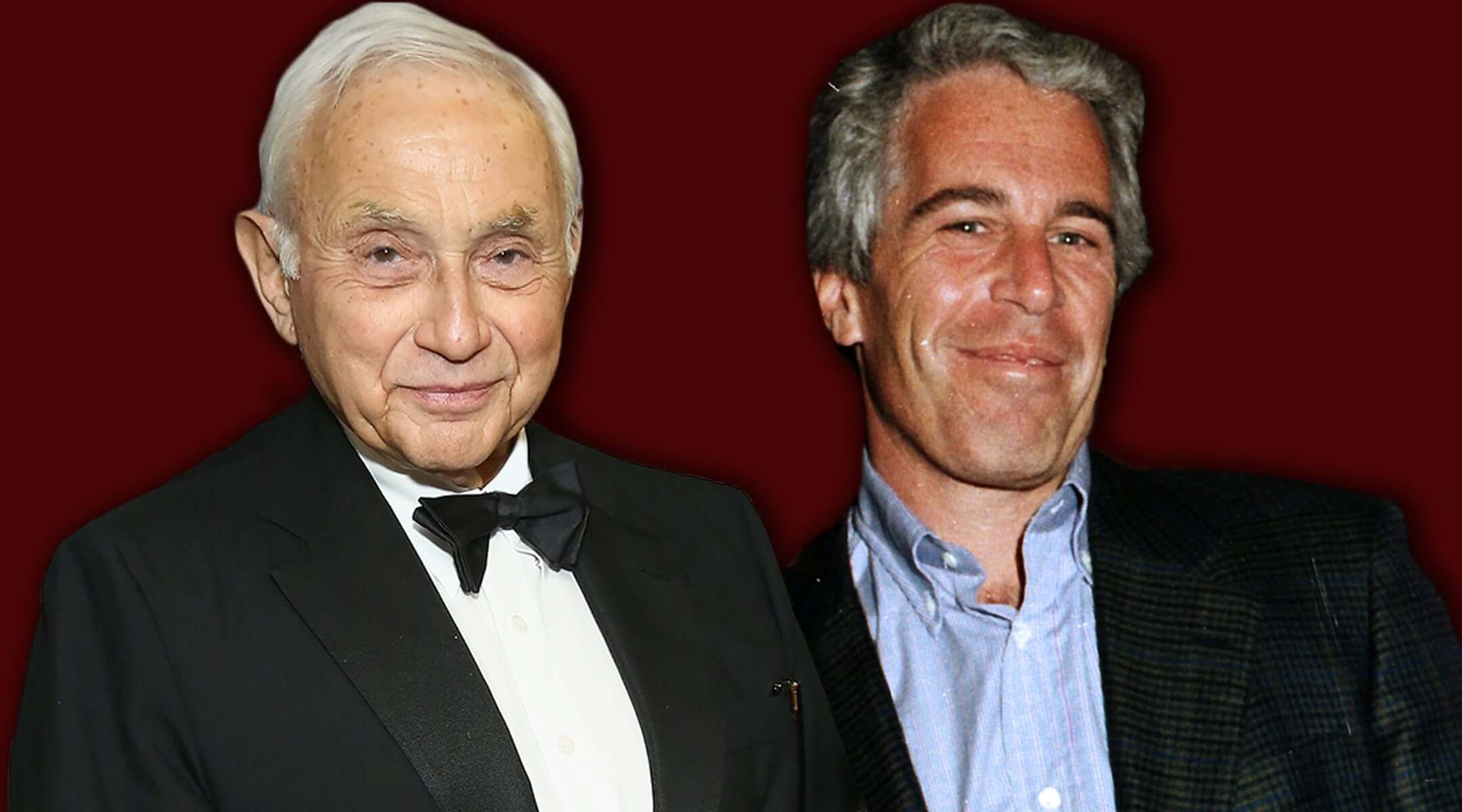
Leslie Wexner, left, and Jeffrey Epstein were close for years. Epstein’s scandal has dogged the billionaire Jewish philanthropist. Photo by Getty Images

By Asaf Elia-Shalev February 12, 2026
(JTA) — Newly released federal investigative documents and a looming congressional deposition have renewed scrutiny of Leslie Wexner, the Ohio billionaire philanthropist long known in the Jewish world for his leadership and largesse — and more recently for his decades-long association with the late financier and convicted sex offender Jeffrey Epstein.
Wexner, the founder of retail giant L Brands and the Wexner Foundation, was publicly named Tuesday by U.S. Rep. Ro Khanna as one of six powerful men whose identities had been redacted from millions of pages of “Epstein Files” released Jan. 30 by the Department of Justice under the Epstein Files Transparency Act.
Khanna, speaking from the floor of the House, said the FBI had labeled Wexner an “unindicted co-conspirator” in investigative documents drafted shortly after Epstein’s 2019 death, although the files also note “limited evidence” against him.
The appearance of Wexner’s name in those unredacted records, and the broader controversy over redactions, has thrust the 88-year-old benefactor back into public debate. Wexner has not been charged with any crime in connection with Epstein’s sex-trafficking offenses and has repeatedly denied knowledge of Epstein’s criminal conduct. Prosecutors and Justice Department officials emphasized that inclusion in the files does not equal guilt.
The relationship between the two men began in the late 1980s, when Wexner brought Epstein on as a financial adviser; Wexner later granted Epstein power of attorney beginning in 1991, and federal records describe how Epstein used that authority in property and other transactions before the two men reached a 2008 settlement in which Epstein paid Wexner $100 million after Wexner accused him of theft or misappropriation. Wexner publicly accused Epstein of theft before his death, but the size of the repayment was revealed in the latest documents.
Within the Jewish community, Wexner has been a towering figure: his foundation’s prestigious fellowships have trained waves of rabbis, lay leaders and nonprofit executives, and his philanthropy has funded Jewish education and institutions for decades. But the Epstein connection has been a source of tension. In recent years, Jewish leaders who benefited from Wexner-funded programs publicly wrestled with what some described as an “unease” about his past association with Epstein. At least two rabbis have made public commitments to donate to victims of sex trafficking to compensate for the benefits they received from his Jewish philanthropy.
Amid the latest disclosures, Wexner is slated to give sworn testimony before the U.S. House Committee on Oversight and Government Reform on Feb. 18, in what is expected to be a closed deposition rather than an open hearing. Committee leaders have not said whether the transcript will be released publicly, a decision that could shape how much light is shed on the nature of Wexner’s ties to Epstein.
This is a moment of great uncertainty. Here’s what you can do about it.
We hope you appreciated this article. Before you go, we’d like to ask you to please support the Forward’s independent Jewish news this Passover. All donations are being matched by the Forward Board - up to $100,000.
This is a moment of great uncertainty for the news media, for the Jewish people, and for our sacred democracy. It is a time of confusion and declining trust in public institutions. An era in which we need humans to report facts, conduct investigations that hold power to account, tell stories that matter and share honest discourse on all that divides us.
With no paywall or subscriptions, the Forward is entirely supported by readers like you. Every dollar you give this Passover is invested in the future of the Forward — and telling the American Jewish story fully and fairly.
The Forward doesn’t rely on funding from institutions like governments or your local Jewish federation. There are thousands of readers like you who give us $18 or $36 or $100 each month or year.
Support our mission to tell the Jewish story fully and fairly.