After decades, Iran-linked Manhattan skyscraper yields $318M for terror victims
Families of victims of attacks in Israel, including the Sbarro bombing, are among those to be compensated.
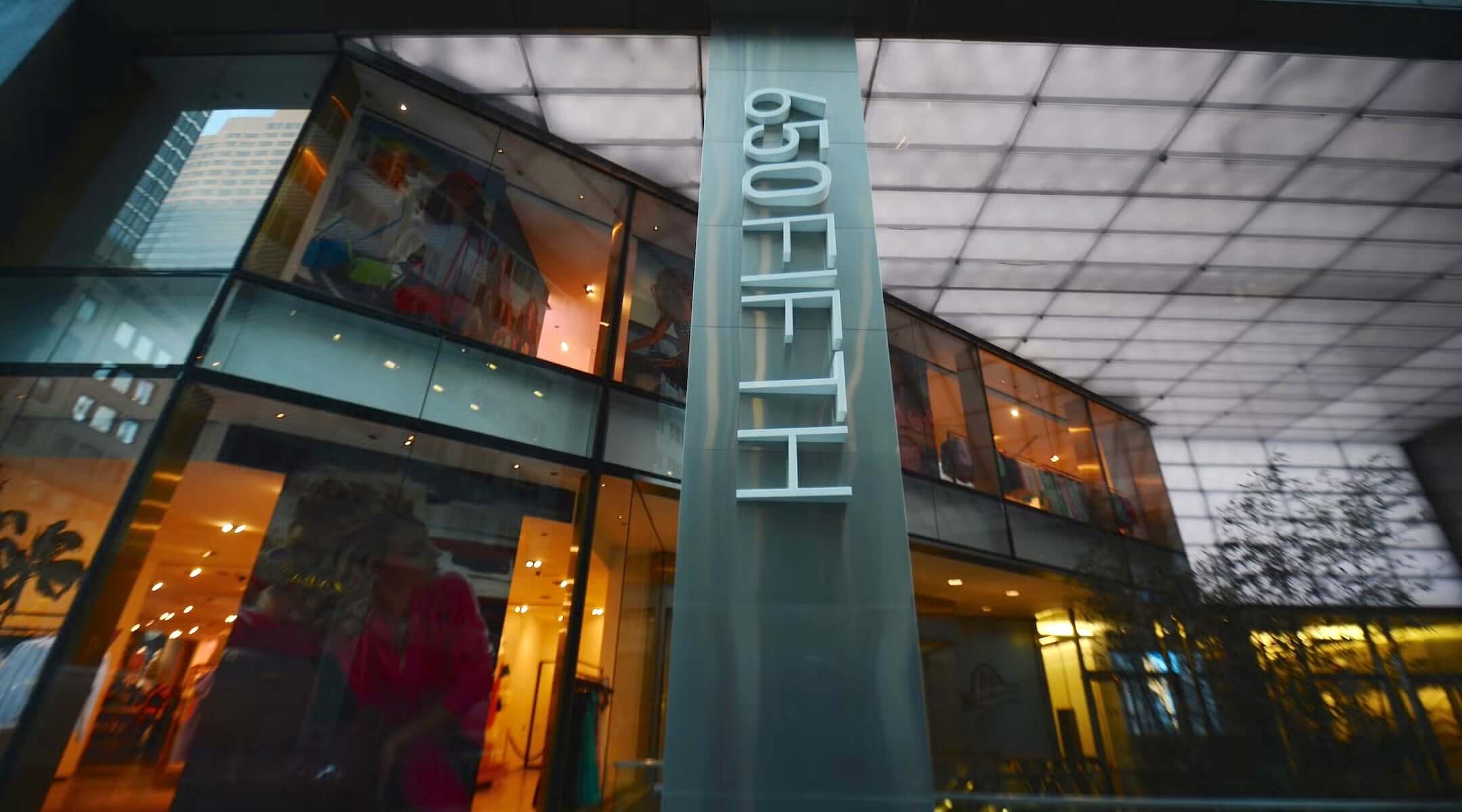
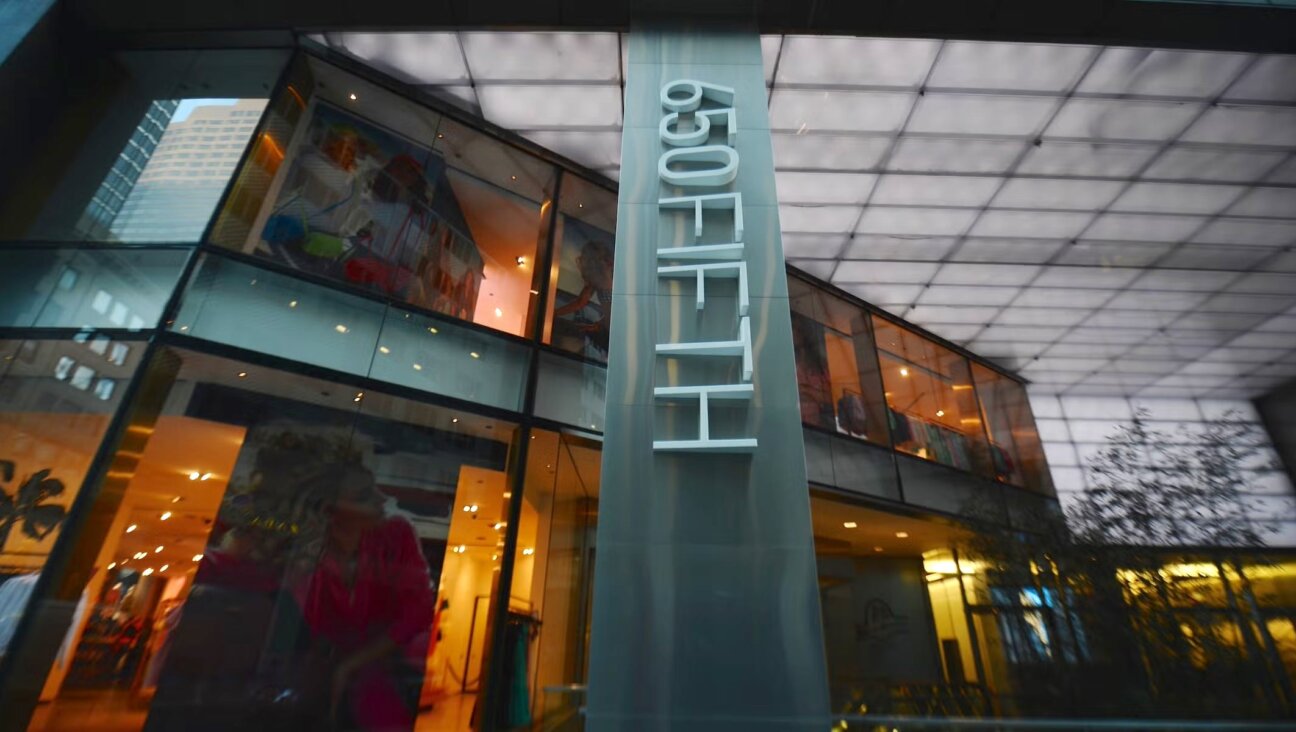
650 Fifth Avenue, a 36-story office tower near Manhattan’s Rockefeller Center, is seen on April 20, 2014. (Cem Ozdel/Anadolu Agency/Getty Images)

By Asaf Elia-Shalev March 24, 2026
(New York Jewish Week) — For nearly two decades, the families of victims of Iranian-sponsored terrorism have watched a 36-story Manhattan skyscraper generate millions in rental income for the Islamic Republic while their court judgments against Iran went unsatisfied.
On Monday, amid the Israeli-American war against Iran, that wait finally produced a result: a $318 million settlement that will direct funds from the sale of the building to hundreds of victims, including Jewish and Israeli families who lost loved ones to Iran-backed terror attacks stretching from Jerusalem to New York.
The case centered on concealed Iranian government interests in 650 Fifth Avenue, a Manhattan office tower. After the 1979 revolution, the Islamic Republic took over the Alavi Foundation, a charitable body originally established by the previous regime under the shah, and created a partnership with Bank Melli Iran, an Iranian government-owned bank sanctioned by the United States.
The bank routed tens of millions in rental income to Tehran through shell companies while hiding its ownership stake, in violation of U.S. sanctions.
Among those being compensated under the settlement are families and estates of victims of the 2001 bombing of a Sbarro restaurant in Jerusalem, which killed 15 and wounded more than 100, as well as victims of other Iran-backed attacks in Israel and elsewhere. The Sbarro massacre, carried out by Hamas with Iranian support, was one of the deadliest suicide bombings of the Second Intifada.
The settlement also covers people harmed by multiple 1990s and 2000s suicide bombings targeting Israeli civilians, and the family of Rabbi Meir Kahane, who was assassinated in 1990.
Over decades, hundreds of terrorism victims obtained default judgments against Iran in federal court. Iran never satisfied those judgments, forcing victims to return to court to pursue Iranian assets inside the United States. Altogether, holders of more than $5 billion in terrorism-related judgments against Iran were involved in the litigation, including estates of victims killed in the September 11, 2001 attacks.
U.S. Attorney Jay Clayton called the resolution the product of a long and concerted effort.
“For nearly two decades, we pursued hidden Iranian government assets tied to a Manhattan skyscraper to ensure those funds would ultimately compensate victims of Iran-sponsored terrorism rather than terrorists and their enablers,” Clayton said in a statement.
Under the settlement, the Alavi Foundation will be dissolved and its assets — including the skyscraper — transferred to a newly incorporated charity called the Amir Kabir Foundation. The new entity will be monitored by the U.S. officials and its by-laws require it to remain independent from any government.
This is a moment of great uncertainty. Here’s what you can do about it.
We hope you appreciated this article. Before you go, we’d like to ask you to please support the Forward’s independent Jewish news this Passover.
This is a moment of great uncertainty for the news media, for the Jewish people, and for our sacred democracy. It is a time of confusion and declining trust in public institutions. An era in which we need humans to report facts, conduct investigations that hold power to account, tell stories that matter and share honest discourse on all that divides us.
With no paywall or subscriptions, the Forward is entirely supported by readers like you. Every dollar you give this Passover is invested in the future of the Forward — and telling the American Jewish story fully and fairly.
The Forward doesn’t rely on funding from institutions like governments or your local Jewish federation. There are thousands of readers like you who give us $18 or $36 or $100 each month or year.
Support our mission to tell the Jewish story fully and fairly.