Iran ceasefire teeters as IDF continues to pound Hezbollah in Lebanon, Strait of Hormuz stays closed
Iran and European leaders say the truce should include Lebanon
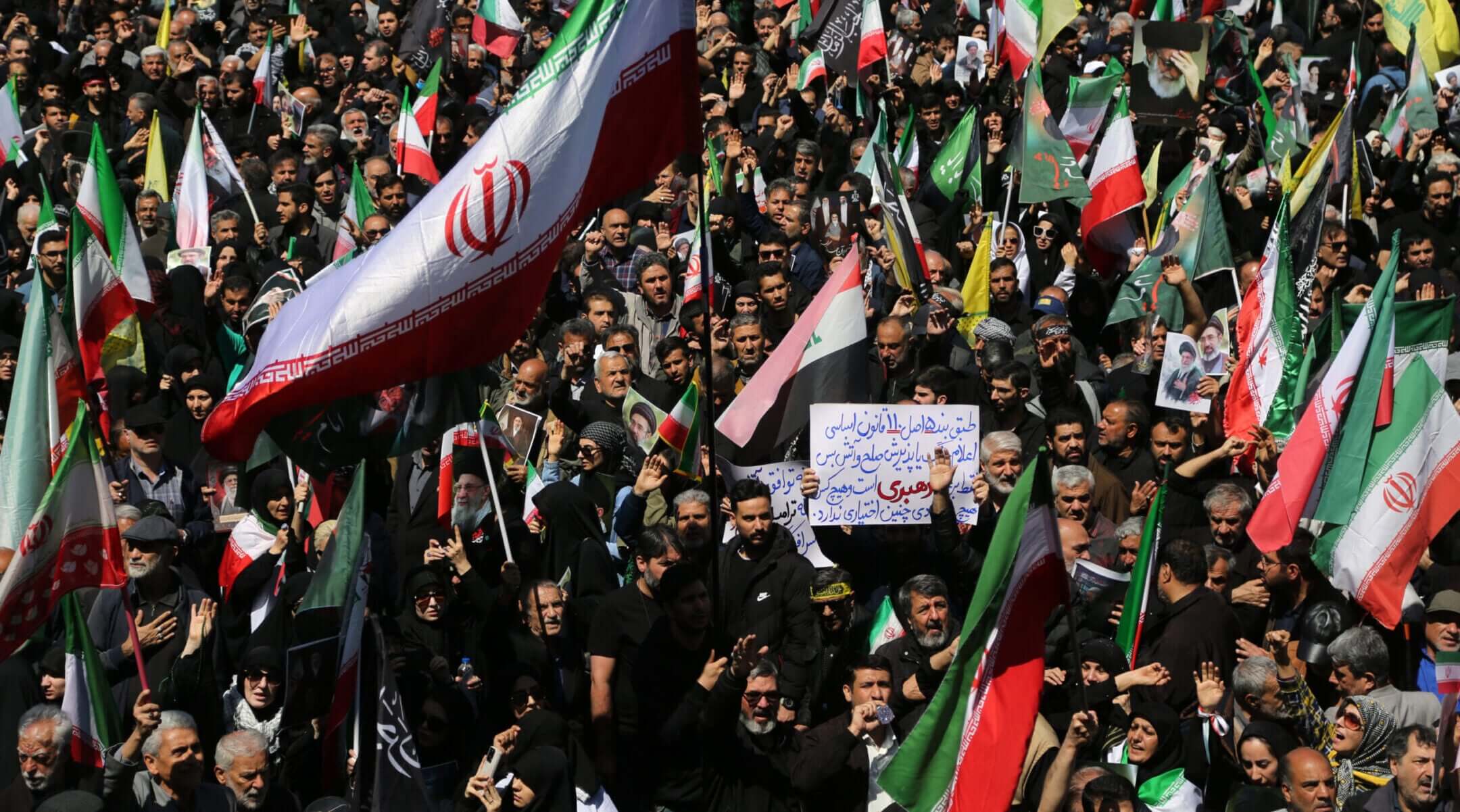
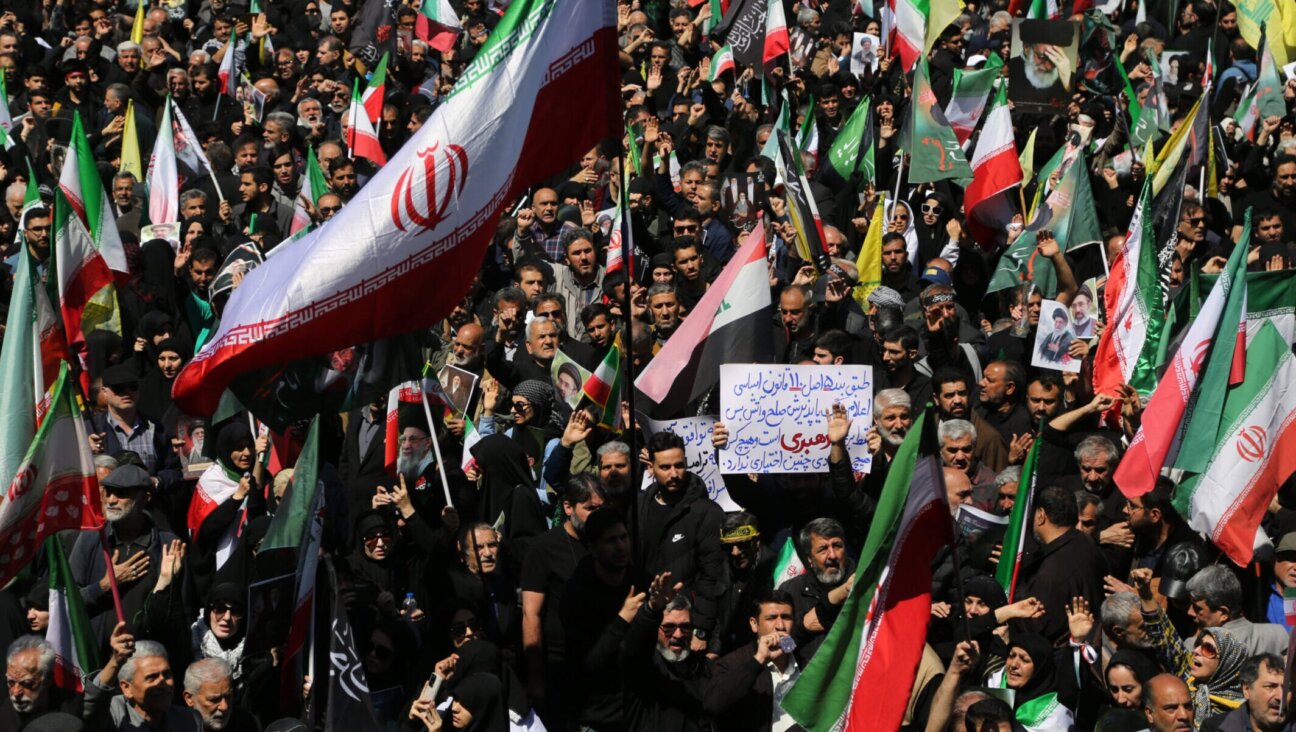
Pro-regime Iranians gather for a massive memorial march marking the 40th day following the death of the former supreme leader, Ayatollah Ali Khamenei, in Tehran, April 9, 2026. Photo by Fatemeh Bahrami/Anadolu via Getty Images
(JTA) — U.S. Vice President JD Vance is headed to Pakistan on Friday for in-person talks to reach a permanent end to the U.S.-Israeli war on Iran — with Israel’s continued campaign against the Iranian proxy Hezbollah a certain topic of discussion.
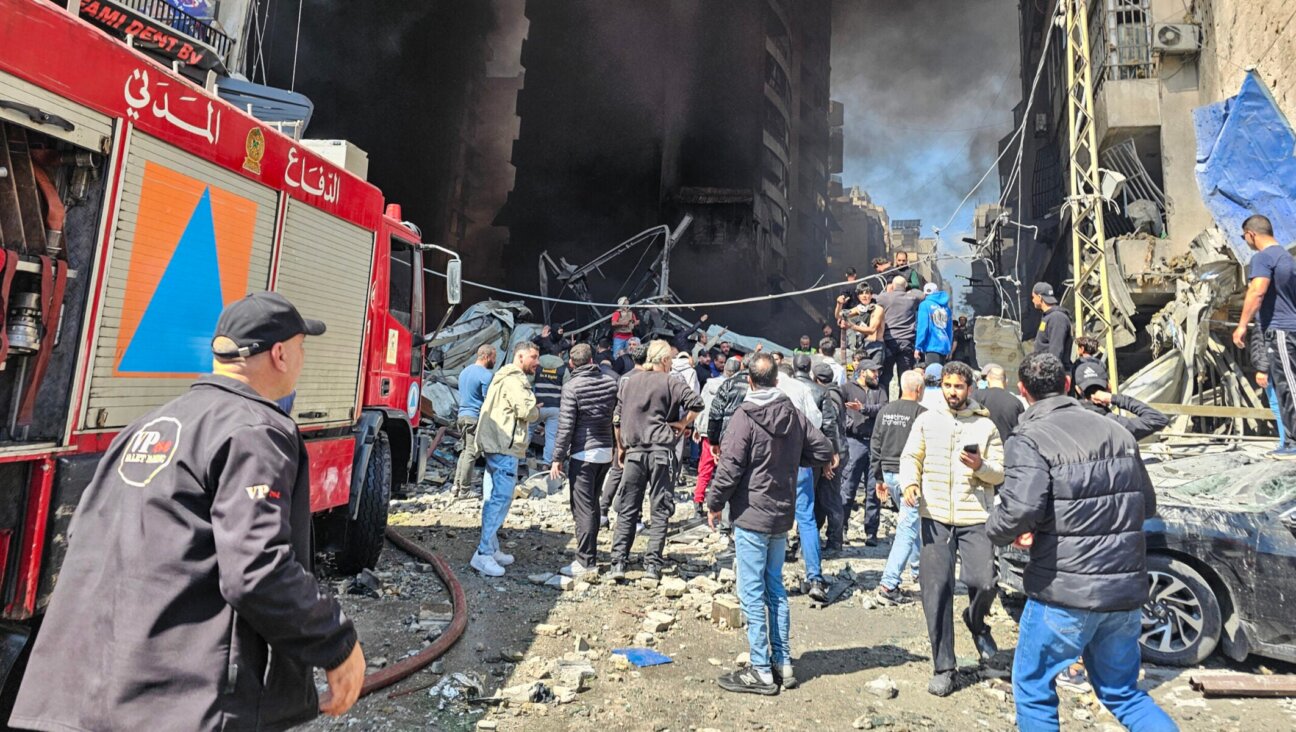
Israel and the United States have maintained that the deal struck between Iran and the United States earlier this week to halt hostilities in Iran does not apply in Lebanon, where Israel is battling Hezbollah. But Iran says the deal requires an end to fighting there and that Israel’s continued campaign, which included intense bombing in the capital of Beirut on Wednesday, represents a violation of the truce.
The latest strike killed the personal secretary of Hezbollah’s secretary-general, Israeli Prime Minister Benjamin Netanyahu announced on Thursday. “Our message is clear: Whoever acts against Israeli civilians—will be struck,” he said in a statement. “We will continue to strike Hezbollah wherever required, until we restore full security to the residents of the north.”
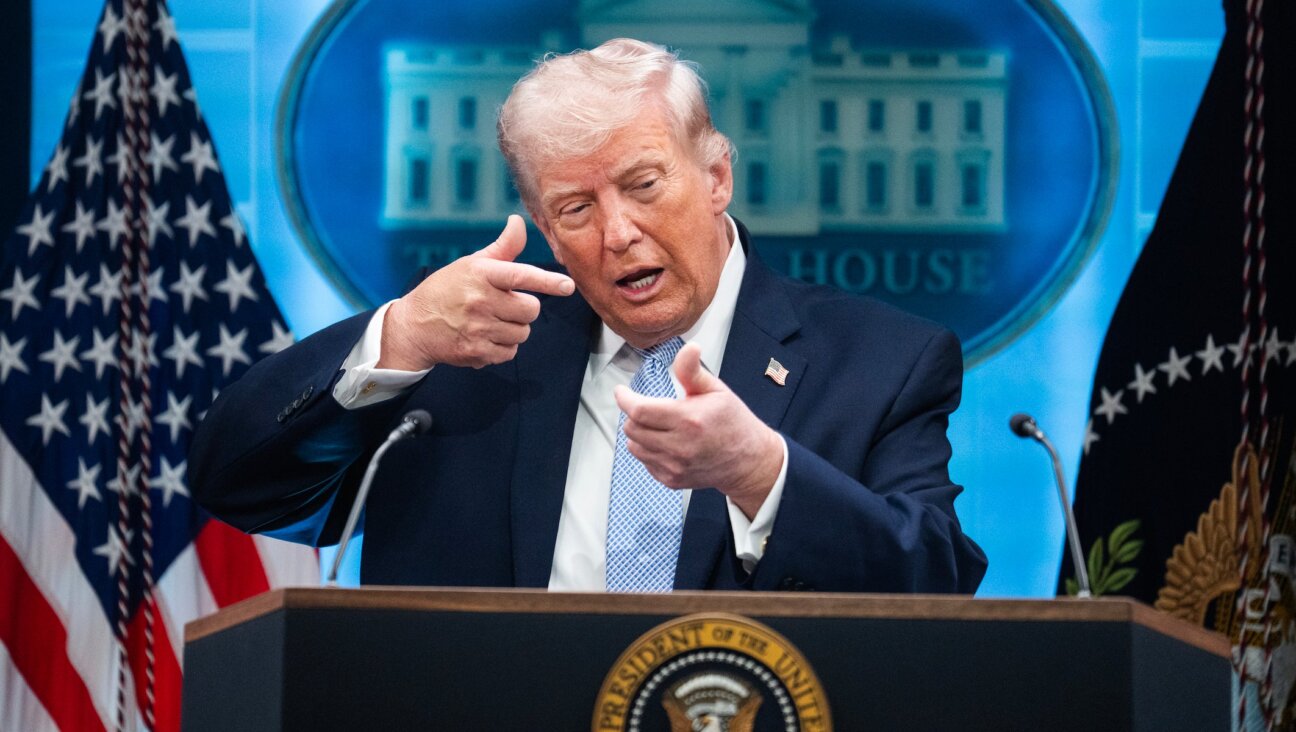
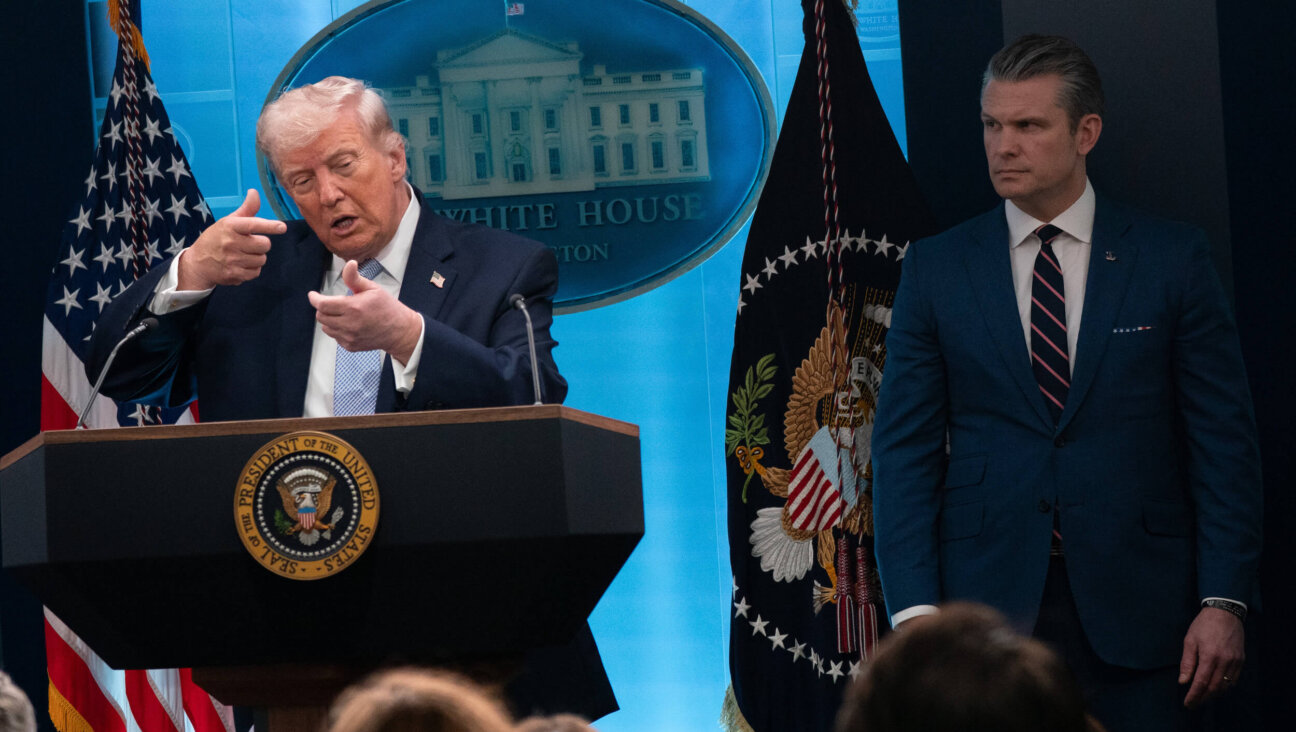
Another sticking point with the potential to derail the ceasefire is Iran’s handling of the Strait of Hormuz, a key oil shipping corridor. President Donald Trump made reopening the strait, which Iran closed in response to the start of the war, a key demand to avoid punishing strikes this week. But while Iran said it was acceding to the demand, it is seeking to levy a steep toll on all ships passing through — which if applied would aid in rebuilding its weakened military infrastructure — and so far has not let many ships through.
Leaders from across Europe say they believe Lebanon should be included in the ceasefire. Many also say they oppose tolls in the Strait of Hormuz.
Israel has begun to relax some restrictions in response to the ceasefire. It has reopened the Dome of the Rock, which had been closed since the war’s start, to Muslim worshippers. It also announced that schools, which have been largely closed for more than a month, would reopen on Thursday, following the end of the Passover holiday in Israel.
Meanwhile, as Tehran returned to normal during the cessation of bombing, supporters of the Iranian regime, which remains in place despite efforts to topple it, rallied en masse on Thursday.
This article originally appeared on JTA.org.
This is a moment of great uncertainty. Here’s what you can do about it.
We hope you appreciated this article. Before you go, we’d like to ask you to please support the Forward’s independent Jewish news this Passover. All donations are being matched by the Forward Board - up to $100,000.
This is a moment of great uncertainty for the news media, for the Jewish people, and for our sacred democracy. It is a time of confusion and declining trust in public institutions. An era in which we need humans to report facts, conduct investigations that hold power to account, tell stories that matter and share honest discourse on all that divides us.
With no paywall or subscriptions, the Forward is entirely supported by readers like you. Every dollar you give this Passover is invested in the future of the Forward — and telling the American Jewish story fully and fairly.
The Forward doesn’t rely on funding from institutions like governments or your local Jewish federation. There are thousands of readers like you who give us $18 or $36 or $100 each month or year.

Support our mission to tell the Jewish story fully and fairly.