VIDEO: Dark rye bread, chicory and other foods our great-grandparents had for breakfast
The lively Zoom discussion between two cooks and two scholars of Ashkenazi cuisine is now accessible on YouTube
Graphic by Angelie Zaslavsky

By Forverts Staff August 8, 2023
Discussions about Jewish food traditions often focus on holiday meals and special occasions. This week, though, four cooks and scholars of Eastern European Jewish cuisine imagined what their ancestors might have eaten on an ordinary weekday.
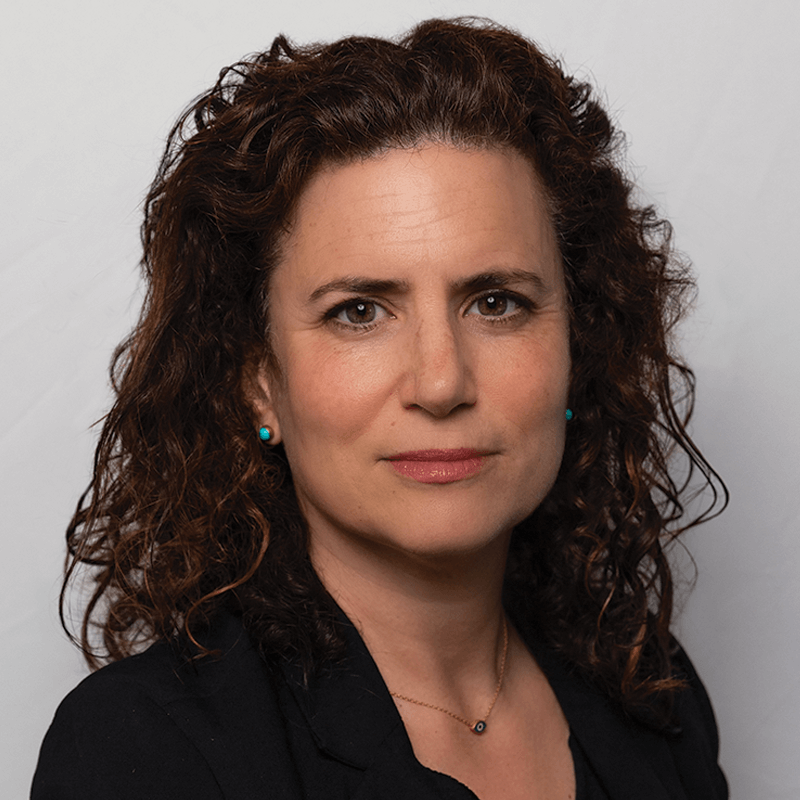
Forverts editor Rukhl Schaechter hosted the panel discussion on Aug. 7. Yiddish food scholar Eve Jochnowitz, and. Throughout the hour, over 1,300 people tuned in to all or parts of the live discussion on Zoom or Facebook.
Yiddish food scholar Eve Jochnowitz shared an excerpt from a memoir by the Yiddish novelist I. J. Singer (Isaac Bashevis Singer’s older brother). Folklore and food expert Barbara Kirshenblatt-Gimblett shared her own research and described what her father, Mayer Kirshenblatt, told her about how food was prepared in his shtetl Apt (Opatow), Poland. And food and travel writer Joe Baur, who only recently discovered his Ashkenazi culinary heritage, said how meaningful it is for him to blend these legacy foods with his own American-influenced palate.
The panelists touched on various foods that Jews in pre-war Eastern Europe might have eaten for breakfast or a light lunch. Among them: Dark rye bread, radishes with sour cream, mamelige, chicory and black tea.
All that talk of old-time favorite dishes must have made some of the viewers hungry. As one viewer quipped in the chat box at the end of the event: “Nu, gey esn!” (“So go eat already!”)
Did you know that only 2% of Forward readers donate to support our nonprofit newsroom? That 2% make it possible for millions to read the Forward without a paywall or subscription — removing any barriers to the full and fair Jewish story.
But while the Forward is free to read, it isn’t free to produce. Big stories — like deep dives into the antisemitism data, political scoops or reporting trips to college campuses — take months of research and fact-checking. All while we keep you informed of what you need to know each day.
— Rachel Fishman Feddersen, Forward Publisher & CEO
Support our mission to tell the Jewish story fully and fairly.