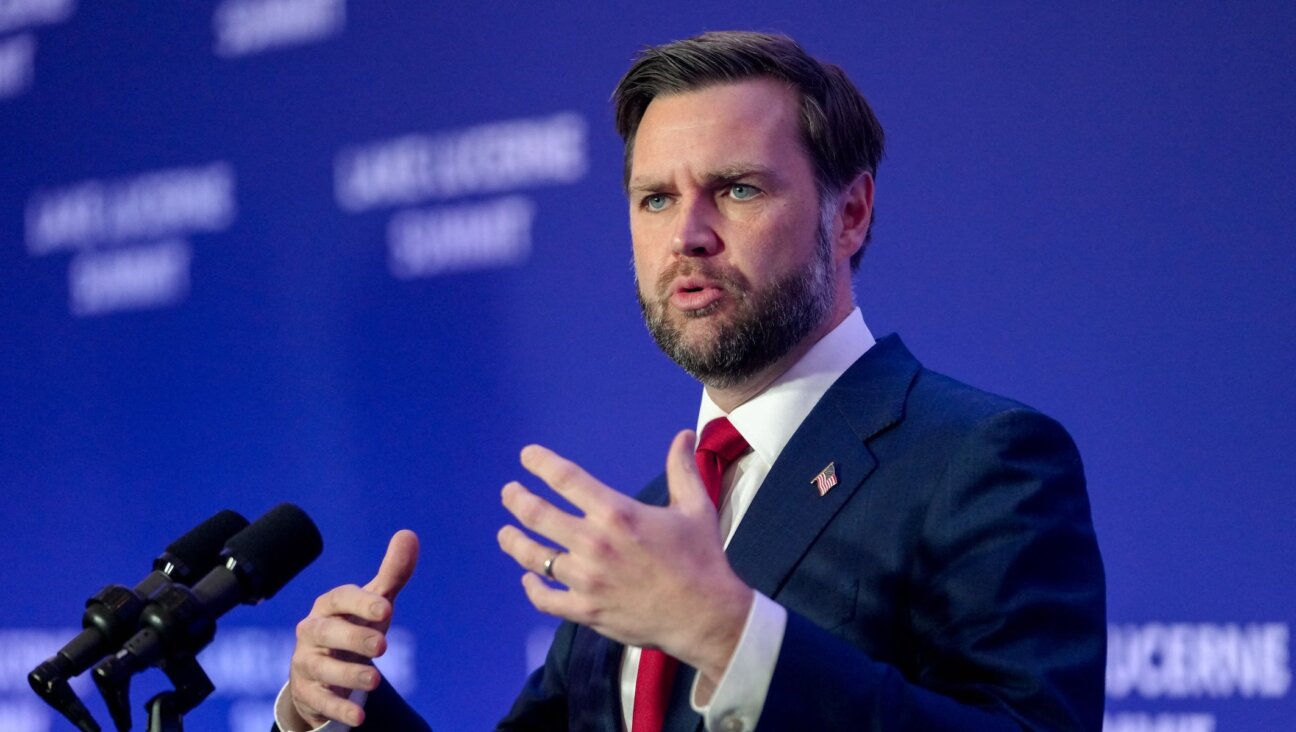
Jeffrey Goldberg
Graphic by Angelie Zaslavsky
The Craft of The Atlantic’s New Editor
Washington journalist Jeffrey Goldberg had a productive 2016. In March, he published “The Obama Doctrine,” a 20,000-word essay on President Obama’s foreign policy, in The Atlantic. Drawing on hours of conversations with Obama and dozens of aides, critics and foreign leaders, the piece aimed “to see the world through Obama’s eyes.” It did that and more: It cemented Goldberg’s growing reputation as America’s most plugged-in, authoritative Middle East commentator.
Then, in October, he was named editor-in-chief of The Atlantic, one of the most prestigious and influential positions in American journalism. In some ways, it’s an unlikely fit. The Atlantic, founded in 1857 by a literary circle that included Ralph Waldo Emerson and Harriet Beecher Stowe, remains a bastion of high-minded, upper-crust liberalism. Goldberg, 51, was raised in a scrappy Irish neighborhood on Long Island, dropped out of the University of Pennsylvania, joined the Israeli army and entered journalism as a police reporter.
His career covering statecraft began in 1992, when he joined the Forward and became a protégé of the English paper’s founding editor Seth Lipsky. Through stints at New York Magazine, The New York Times Magazine and The New Yorker, Goldberg’s snarky, pugnacious, opinionated style has won him fierce enemies and staunch admirers but few neutral readers. Policymakers in Washington and Jerusalem pick his brain. Leftists call him a neocon for his love of Israel and early support for the Iraq War. Right-wingers accuse him of Israel-bashing as he demonstrates impatience with Israeli settlement and peace policies.
Fellow journalists swear by his loyalty and wit. He’ll need those qualities and more as he leads the venerable media outlet through the choppy waters of a troubled industry.
Did you know that only 2% of Forward readers donate to support our nonprofit newsroom? That 2% make it possible for millions to read the Forward without a paywall or subscription — removing any barriers to the full and fair Jewish story.
But while the Forward is free to read, it isn’t free to produce. Big stories — like deep dives into the antisemitism data, political scoops or reporting trips to college campuses — take months of research and fact-checking. All while we keep you informed of what you need to know each day.
— Rachel Fishman Feddersen, Forward Publisher & CEO
Support our mission to tell the Jewish story fully and fairly.