Why IDF soldiers’ official headshots only show their backs
Concealing identities is a precautionary measure to protect IDF soldiers traveling abroad
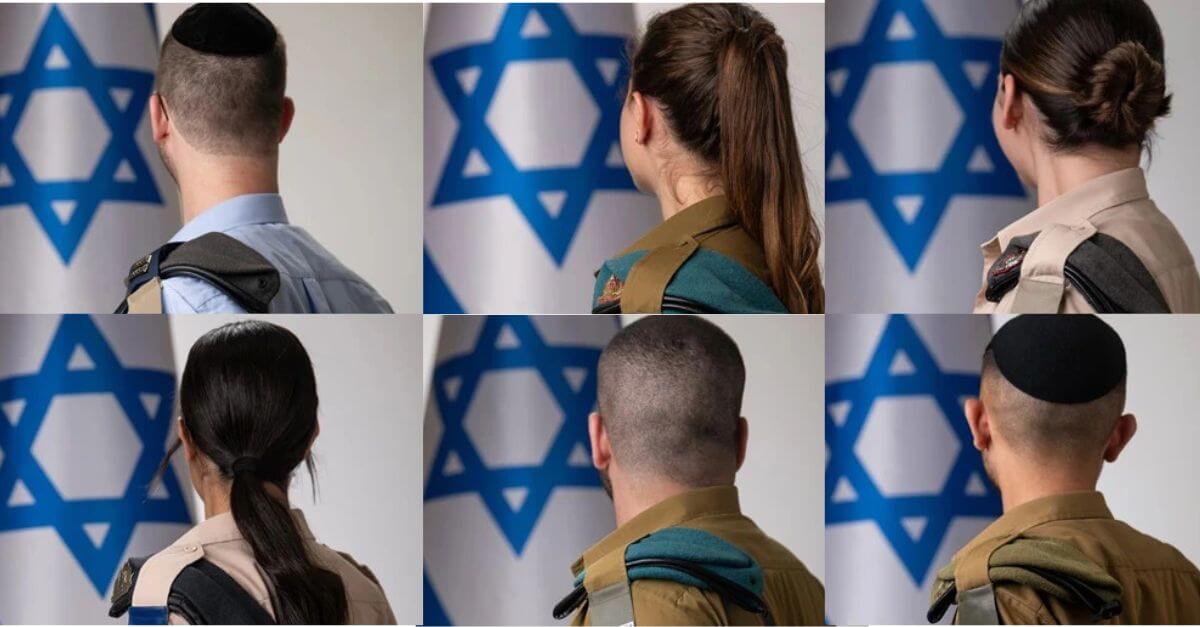
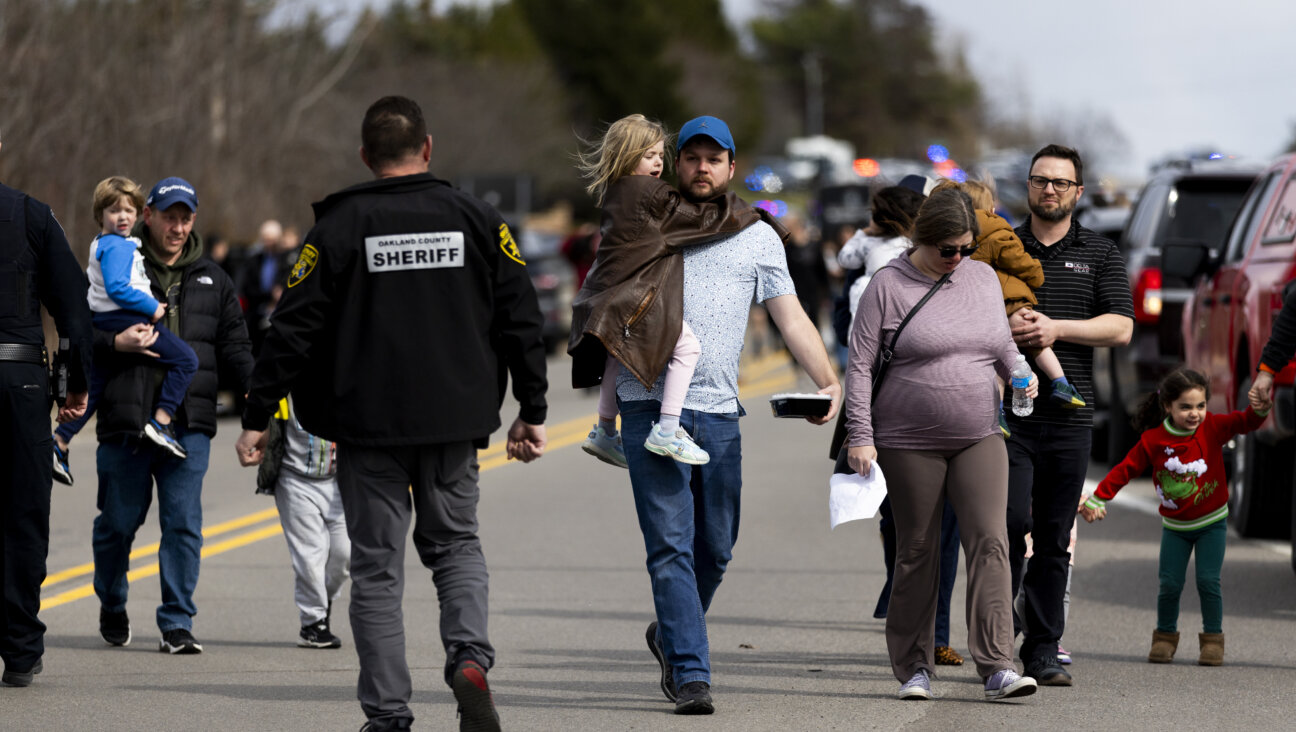
Official headshots of IDF soldiers. Courtesy of IDF Press Releases/Collage by Hannah Feuer

By Hannah Feuer December 3, 2025
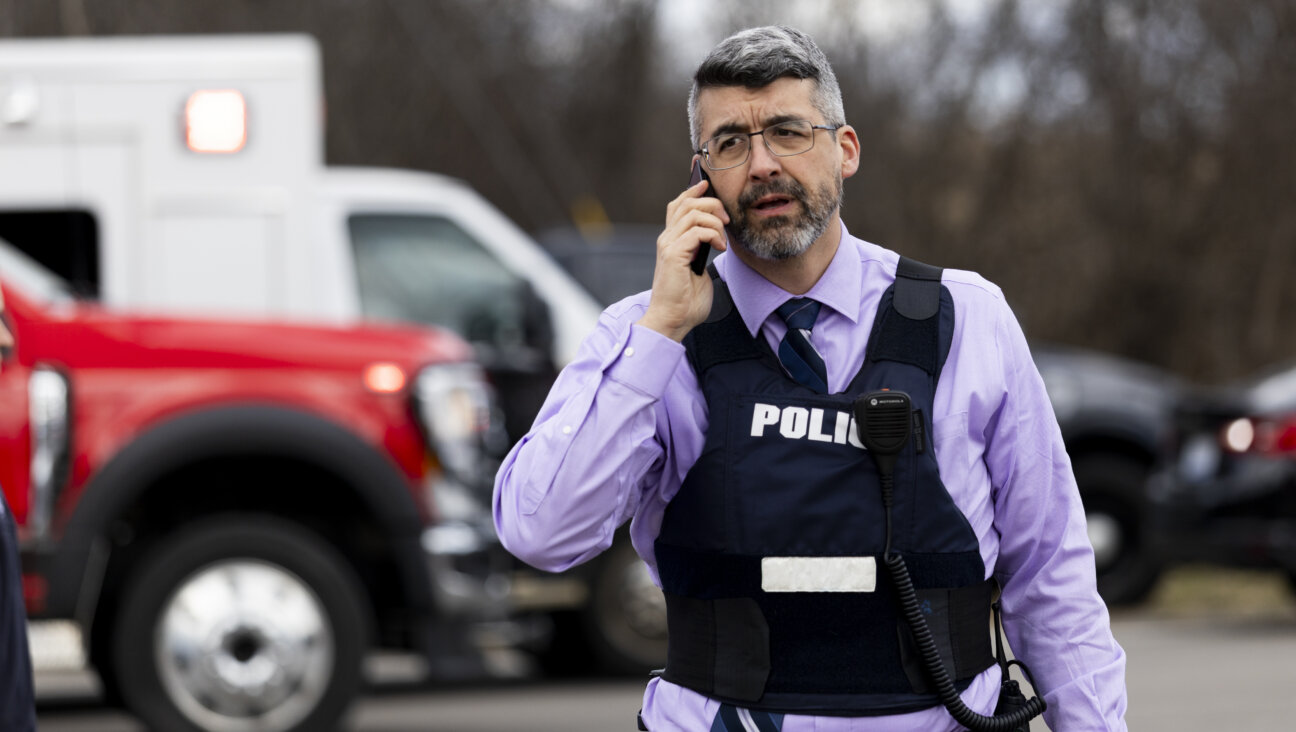
The Israel Defense Forces’ official website features headshots of its service members — but their faces don’t appear in them. Instead, the portraits capture only the backs of soldiers’ heads.
The unusual presentation is no accident. In January, the IDF restricted soldiers at the rank of colonel and below from displaying their full names or faces — wary of potential legal action against Israeli reservists travelling abroad related to allegations of war crimes in Gaza.
While it’s not unprecedented that members of the military would be barred from sharing their identities online — such rules have long applied to those in classified units of the IDF — choosing to display photos of only backs is, to say the least, a perplexing choice. In recent months, the photos have gone viral on social media, acting as a visible symbol of Israel’s increasing isolation from the rest of the world.
The IDF’s reasoning
The change in media guidelines was “due to security concerns,” a spokesperson for the IDF wrote in a statement to the Forward.
Israeli soldiers face risk of prosecution under “universal jurisdiction,” a legal principle that allows countries to prosecute individuals for international crimes considered so severe that no state should be a safe haven. Israel used the principle of universal jurisdiction in 1961 to prosecute Adolf Eichmann for his role in the Holocaust; Eichmann received the death penalty.
While no IDF soldiers have been arrested overseas related to the war in Gaza, the risk is far from hypothetical.
In January, a former Israeli soldier vacationing in Brazil had his trip cut short after a federal judge opened a war crimes investigation for his alleged participation in the demolition of civilian homes in Gaza, based partly on his social media posts. Israeli authorities helped him leave the country before he could be prosecuted.
In July, Belgian police took two IDF service members who were attending a music festival in for questioning related to allegations of violating international law in Gaza. They were released shortly afterward.
The Hind Rajab Foundation, a Belgian nonprofit named for a 5-year-old Palestinian girl killed in Gaza, has been a driving force behind the effort. The group has filed dozens of legal complaints in more than 10 countries seeking Israeli soldiers’ arrests, though only a handful have resulted in active criminal investigations.
Still, any online information, including photos, can help those seeking to prosecute these cases, according to Eran Shamir Borer, director of the Israel Democracy Institute’s Center for Security and Democracy.
“If you volunteer information about this person — their face, their name, their military affiliation — you just make it much easier for the various organizations overseas to try to mine further information about these soldiers,” Shamir Borer, who previously served as head of the IDF’s international law department, told the Forward in a phone interview.
Under international law, evidence that someone served in the IDF is not enough to open a criminal investigation; there must be documentation of misconduct on the battlefield, Shamir Borer said.
But not all countries abide by this standard. For example, South Africa has threatened to arrest dual citizens who serve in the IDF when they return home — irrespective of whether the service member has specifically been accused of war crimes.
For a war that has been broadcast on social media, the effort to conceal some identities may be too little, too late. Restrictions on soldiers’ personal social media accounts have been difficult to enforce, Shamir Borer said, citing thousands of cases of soldiers uploading photos and videos of themselves in Gaza, despite IDF rules against that sort of documentation.
Still, when it comes to official headshots, he said, the state does not want to be in the position of providing easily accessible information to those looking to target Israeli soldiers.
“Now there is a better realization of the risks,” he said. “So they’re just trying to be careful.”
The reaction
On social media, many have read the images as amounting to an admission of guilt, or as a visual expression of shame. That message was echoed by Francesca Albanese, the United Nations Special Rapporteur on the occupied Palestinian territories.
“Instead of advising its soldiers not to commit crimes, what (Israel) is saying is ‘cover your faces or blur your face before posting videos or try to get lawyers,’” Albanese told Anadolu, the Turkish state-run news agency.
Another reading casts the photos differently: as a stance of defiance, with Israel symbolically turning its back on its foes.
Shamir Borer said the photos represent a compromise, balancing security and legal risks with the desire to praise soldiers for their service.
“When you show people from the back, you can still see whether these are men or women, whether they’re religious or not, the units that they belong to,” he said. “It does give you some feeling of the diversity of the people that are being commemorated.”
The need to conceal their identities, he said, is a sign of the times.
“It’s another very sad indication of the challenges that Israel is facing at the international level nowadays,” he said.