How a Persian Jewish immigrant became the rodeo king of California
David Halimi runs rodeos, restaurants and a Western wear empire — while anchoring Jewish life in a small California town
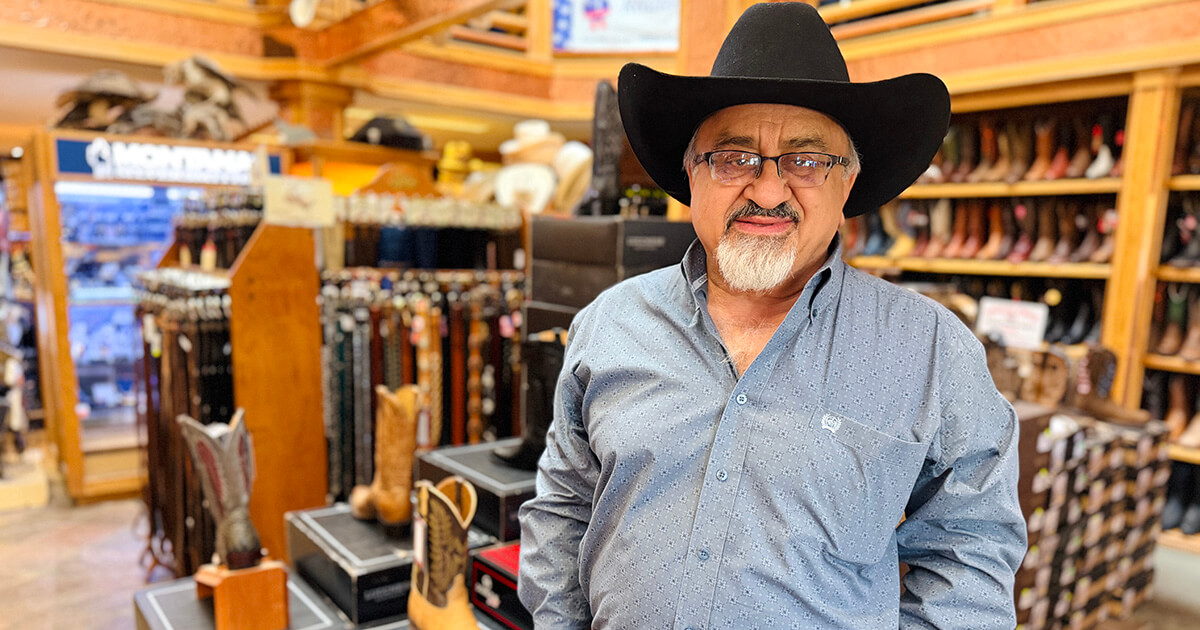
David Halimi in Diamond W Western Wear, the store he runs in Chico, California. Photo by Benyamin Cohen
By Benyamin Cohen January 21, 2026
CHICO, Calif. — David Halimi grew up Jewish in Tehran, watching Bonanza. He now produces rodeos in Northern California and owns a bar modeled on Cheers.
At 73, Halimi is known around Chico as the man behind a Western wear store stocked with thousands of cowboy boots, a rodeo circuit that draws bull riders from across the region, and a U-shaped bar where locals joke about who might be the town’s version of Norm. Less obvious — but no less central — is that he is also a longtime synagogue president, a Hillel board leader, and a professor who teaches business analytics at the local university.
Asked how an Iranian Jew learned the rhythms of the American West, Halimi doesn’t mystify it. “I’m a quick learner,” he said.
Halimi still follows events in Iran closely. “It’s heartbreaking,” he said. “It’s my heritage.” He has no illusions about the imbalance of power. “People protesting with their bare hands are no match to machine guns and professional assassins.” Still, he allows himself hope. “I wish and I pray that the people will prevail.”
For Halimi, the distance between Iran and Chico is not just geographic. It is the distance between a life shaped by instability — he grew up in Iran in the aftermath of a coup — and one he has spent decades deliberately building.
On a recent afternoon inside the 6,000-square-foot Diamond W Western Wear, Halimi wore what he sells — black alligator boots, jeans, a button-down, a blazer and a hat. He moved easily past towers of boots and glass cases of belt buckles, pausing as an employee steamed a cowboy hat back into shape. His wife, Fran, emerged from the back. Customers drifted in.
Over the years, his footprint downtown has expanded to include two restaurants and a soon-to-open coffee shop, all within walking distance of his store.
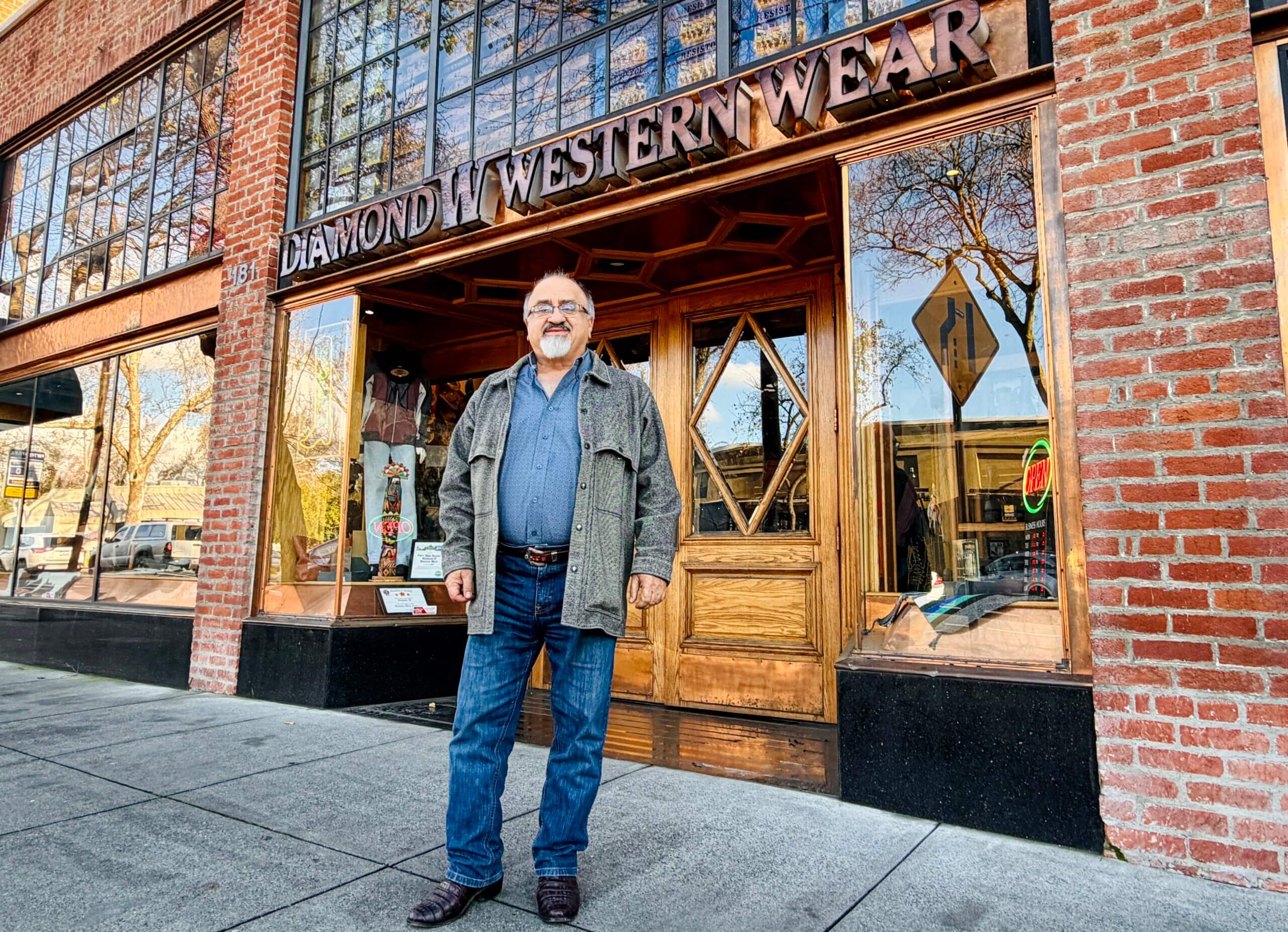
Halimi didn’t arrive in America looking for a job. He arrived looking for an opportunity. When he moved to the United States at 16, in 1969, he worked full time while going to school, bussing tables at a restaurant and saving aggressively. By 18, he had pooled his earnings with his older brother to make his first real estate investment. “I was never looking for a job,” he said. “I always wanted to do my own thing.”
That instinct carried him through college, where he studied mathematics and economics, and later into commodities trading — “the stock market on steroids,” as he put it — before settling in Chico in 1979. The inland city 3 hours north of San Francisco had the virtues he was looking for: a small-town feel, a university’s energy, and room to build.
Mending fences, building community
For all the boots, buckles and bull riders, Halimi’s most consequential work happens closer to home. He has served on the board of Congregation Beth Israel of Chico for decades, including numerous stints as president, and has been a steady presence through the cycles that define small Jewish communities.
Rabbi Lisa Rappaport, who leads the congregation, said that constancy matters. In a community with limited resources, leadership often means stepping in wherever the need arises.
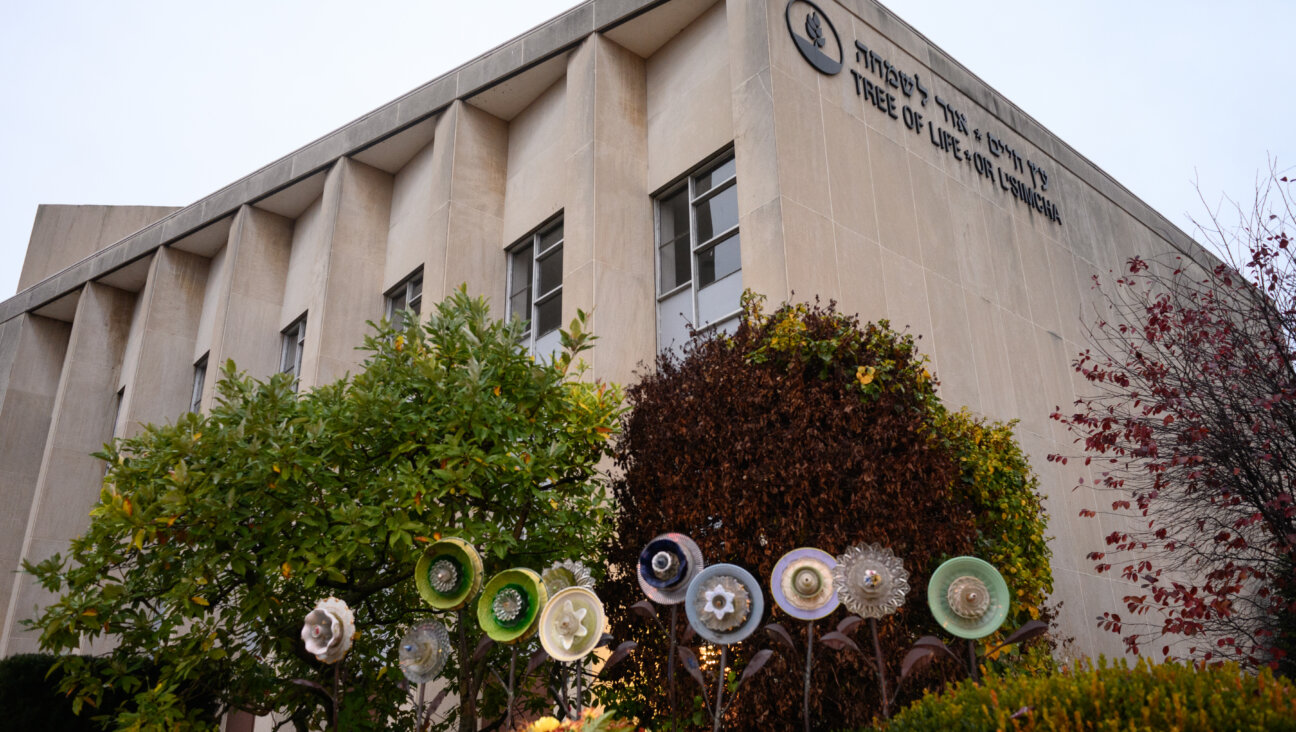
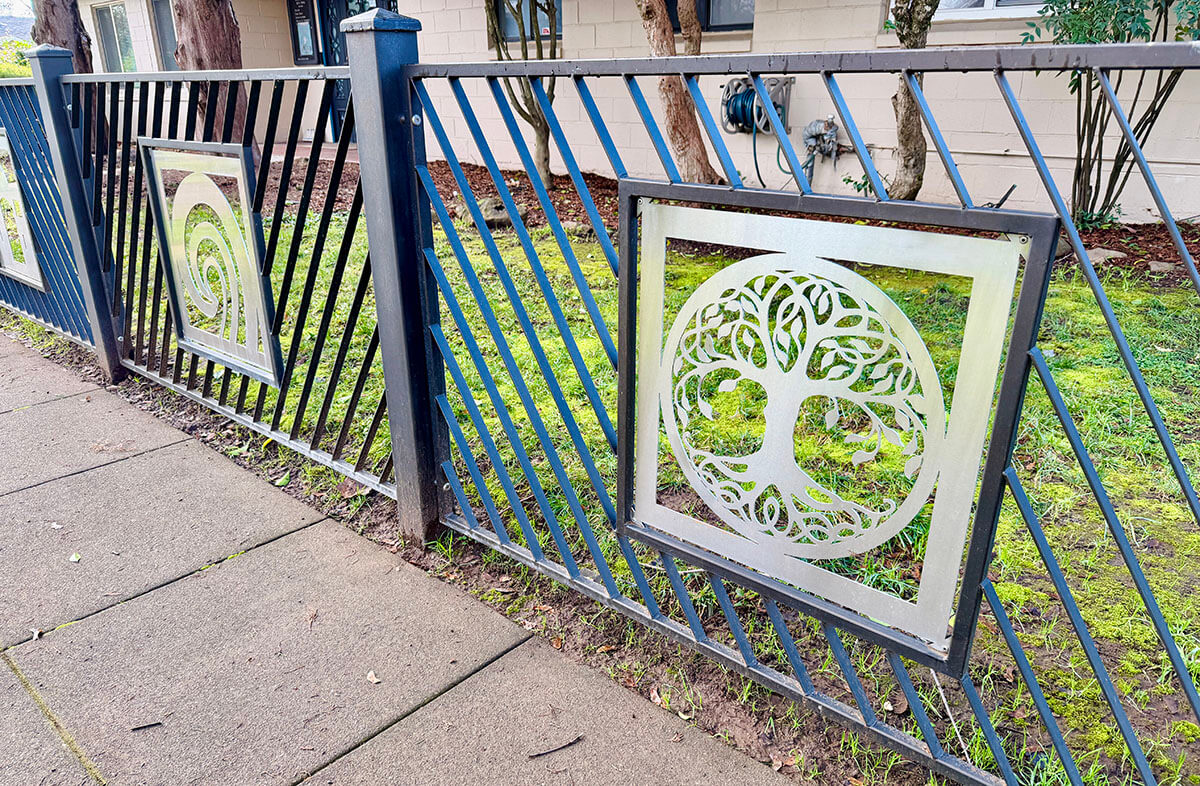
That was especially true after the synagogue was targeted with antisemitic graffiti in late 2022. What followed, Rappaport recalled, was an outpouring of support. Donations funded a new security system. A local metalworker volunteered to create a new sign. Another family, moved by the response, offered to pay for a fence.
Halimi volunteered to design and help build it. Vertical bars, he insisted, would make the synagogue feel like a jail. Instead, he created diagonal metal panels inspired by math’s golden ratio, incorporating stainless-steel symbols of the Twelve Tribes — a boundary meant to protect without closing the place off.
Rappaport credits both Halimi and his wife, a former religious school director and longtime sisterhood leader, with helping sustain the shul. “They’re in it till the end,” she said. In a small community, she added, that kind of commitment is existential. “If you have a couple of people who have that frame of mind,” she said, “it keeps the community alive. It’s people like that that keep it pulsing.”
Halimi, now a grandfather, carries that same lesson into his classroom at California State University, Chico, where he has been teaching since 2009. Each semester he leads two courses: business analytics and the evolution of management theory. He doesn’t think of it as a job so much as a responsibility, he said: “I like seeing the light bulb go on.” Former students, now entrepreneurs themselves, sometimes track him down to say thank you. The payoff, he said, is “psychic income.”
Halimi teaches what he learned: “Even when the odds are against you,” he said, “you can still succeed.”
His rodeo business began, improbably enough, as a marketing complaint. Halimi had been sponsoring country concerts and rodeos to promote the store, but he was unimpressed with the results. Other sponsors, he noticed, felt the same way. So he launched his own production company. First, they hosted country music concerts. Soon, they built a rodeo: the National Bullriding Championship Tour, which just marked its 30th year.
He had expected resistance from the industry. Instead, he found acceptance, and eventually respect. “It’s very unusual,” he acknowledged, “for an Iranian Jew to be a successful rodeo producer.”
This is a moment of great uncertainty. Here’s what you can do about it.
We hope you appreciated this article. Before you go, we’d like to ask you to please support the Forward’s independent Jewish news this Passover. All donations are being matched by the Forward Board - up to $100,000.
This is a moment of great uncertainty for the news media, for the Jewish people, and for our sacred democracy. It is a time of confusion and declining trust in public institutions. An era in which we need humans to report facts, conduct investigations that hold power to account, tell stories that matter and share honest discourse on all that divides us.
With no paywall or subscriptions, the Forward is entirely supported by readers like you. Every dollar you give this Passover is invested in the future of the Forward — and telling the American Jewish story fully and fairly.
The Forward doesn’t rely on funding from institutions like governments or your local Jewish federation. There are thousands of readers like you who give us $18 or $36 or $100 each month or year.
Support our mission to tell the Jewish story fully and fairly.