Mamdani voices concerns about synagogue buffer zone bill poised to pass NYC Council
The buffer zone proposal has 35 co-sponsors, enough for a veto-proof majority to pass without the mayor’s signature.
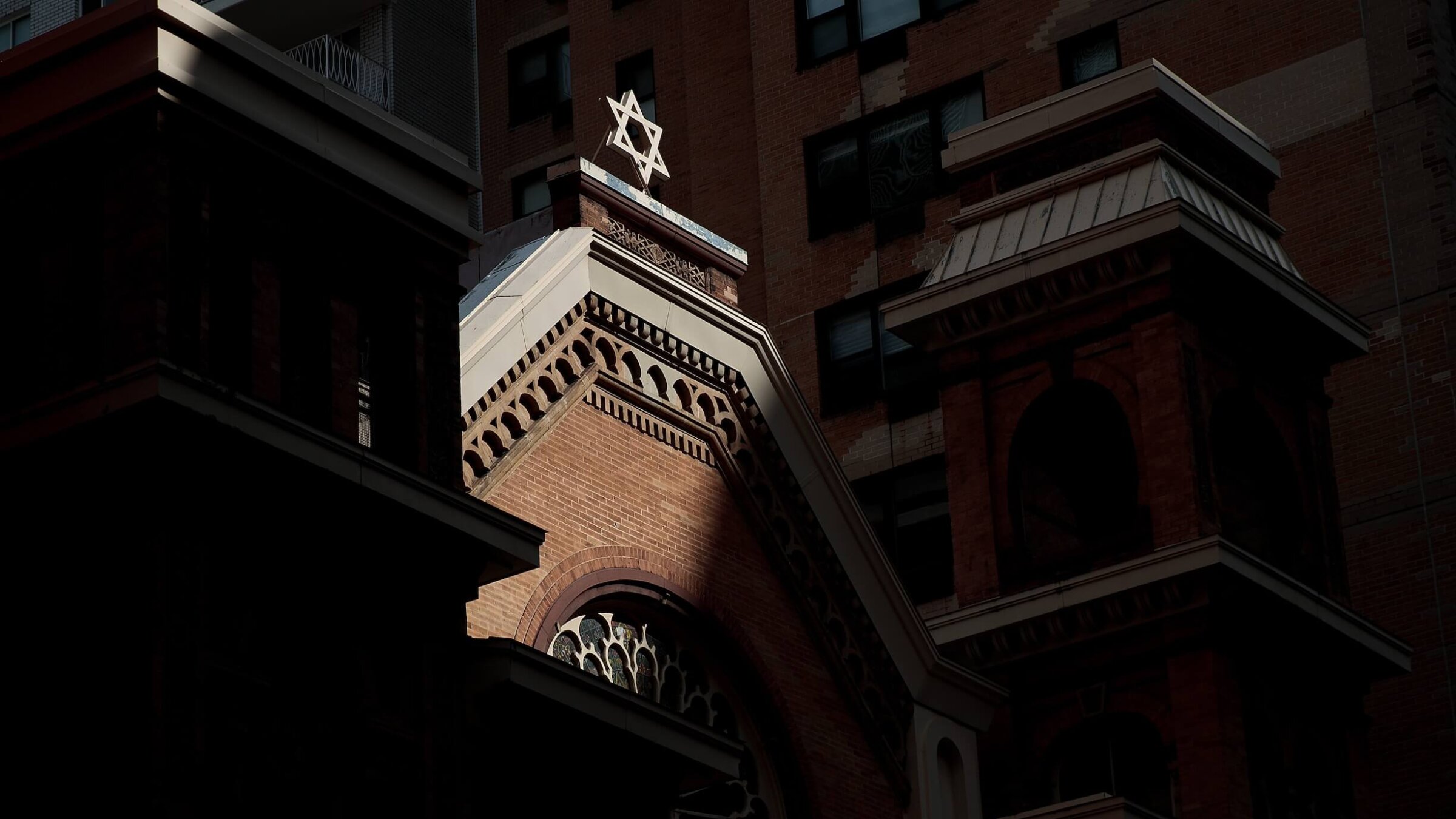
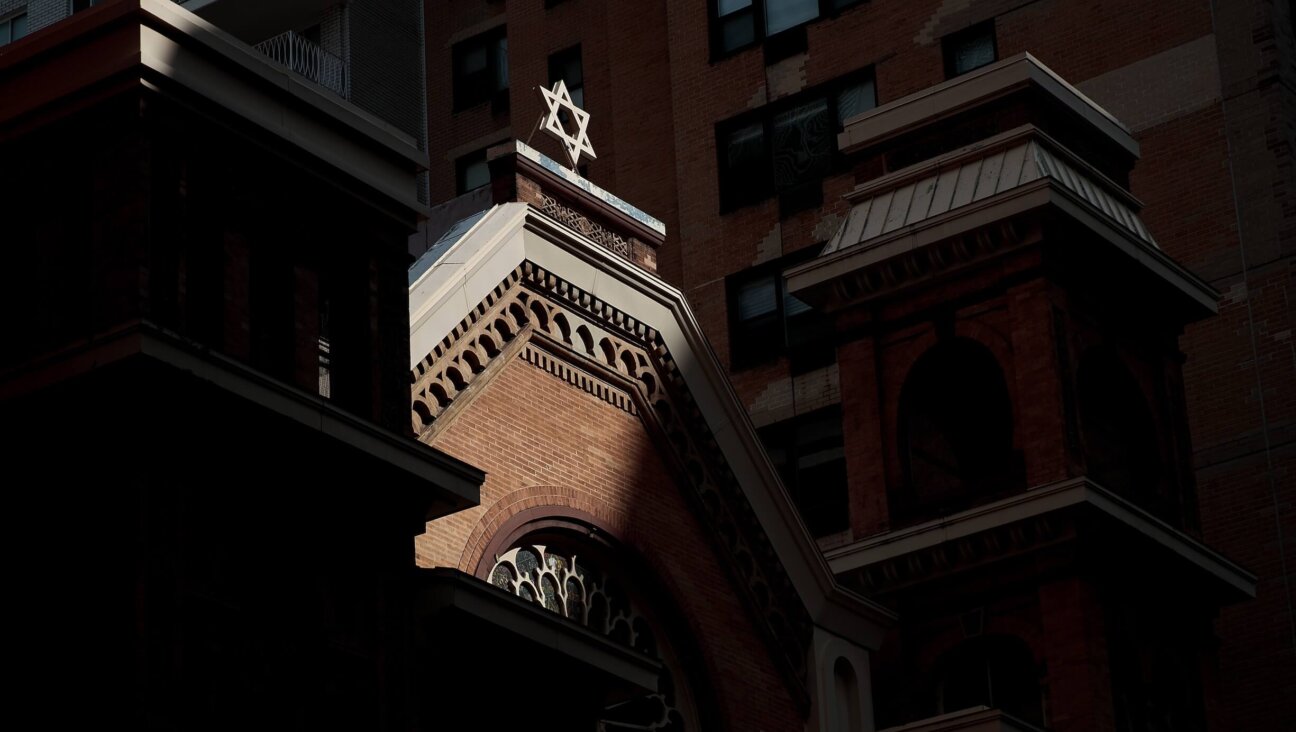
Park East Synagogue in New York City. Photo by Drew Angerer/Getty Images

By Jacob Kornbluh March 25, 2026
The New York City Council is poised to pass legislation aimed at curbing disruptive protests outside synagogues, as officials weigh Jewish security concerns against free speech protections for pro-Palestinian and progressive activists. Mayor Zohran Mamdani has not taken an official position on the legislation.
The 51-member legislative body is set to vote Thursday on two bills directing the NYPD to develop a plan for protest buffer zones around houses of worship and educational centers. It is part of Council Speaker Julie Menin’s five-point plan to combat antisemitism, as anti-Jewish incidents continue to make up a majority of reported hate crimes in New York City. In recent months, at least two protests outside synagogues featured antisemitic slogans and chants, heightening tensions and drawing condemnation. Some see Menin as a check on the mayor and a potential guardrail against his actions.
The package of bills includes $1.25 million in funding to the Museum of Jewish Heritage for Holocaust education and the creation of a hotline to report antisemitic incidents.
Mamdani allies’ opposition
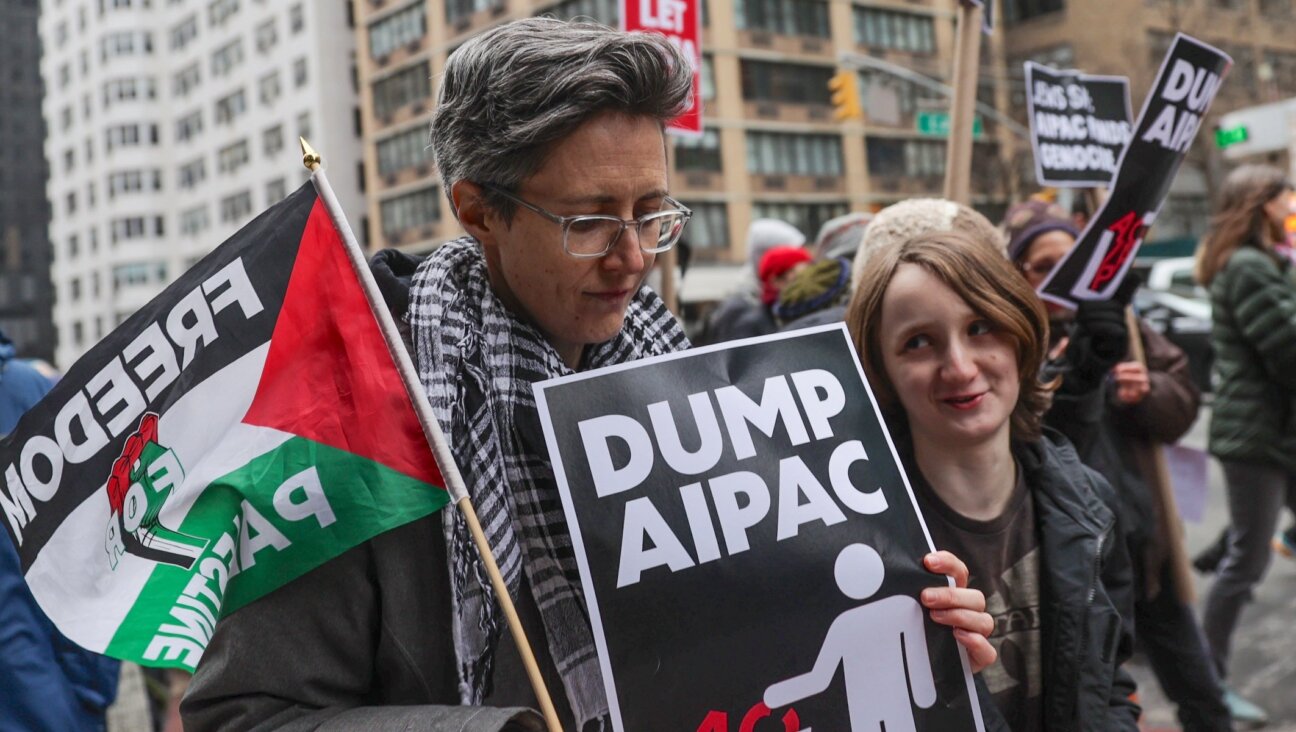
The buffer zone proposal is facing pushback from allies of Mamdani, a strident Israel critic who faces scrutiny from mainstream Jewish organizations over his response to antisemitism and pro-Palestinian protests. The Democratic Socialists of America and some progressive Jewish groups, as well as free speech advocates, claim the legislation unfairly targets pro-Palestinian protests and said it gives authorities too much discretion in how the rules are enforced.
Mamdani said in January that he ordered his law department and police leadership to review the proposal’s legality. Mamdani told the Forward he would veto it if he determines it’s illegal.
City Hall has not released the findings of the internal review. A Mamdani spokesperson didn’t say whether the mayor would sign the bills if they pass. But he might not need to. The bill has 35 co-sponsors, giving it the veto-proof, two-thirds majority needed to pass the legislation into law without the mayor’s signature.
Mamdani “is keenly aware of the serious concerns regarding these bills’ limiting of New Yorkers’ constitutional rights, and he will keep these concerns in mind for any bills that land on his desk,” Dora Pekec, a City Hall spokesperson, said in a statement provided to the Forward. “He wants to ensure both the right to prayer and the right to protest are protected here in New York City.”
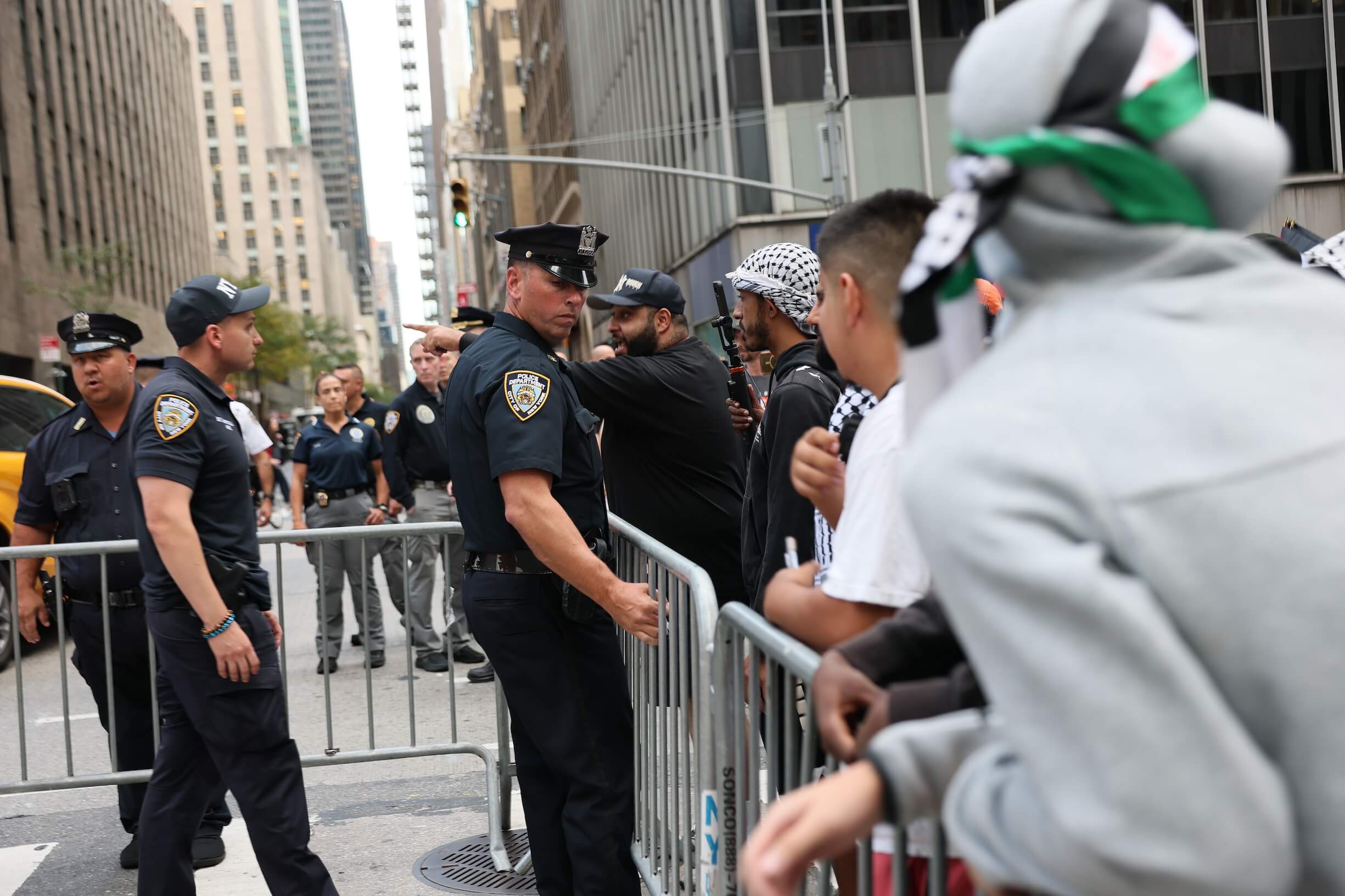
The bills do not explicitly bar protests or codify a specific distance requirement. Its initial proposal to establish buffer zones of up to 100 feet outside synagogues and other houses of worship was omitted following reservations expressed by Police Commissioner Jessica Tisch, who, like Menin, is Jewish, and cautioned that a one-size-fits-all rule might not withstand legal challenge and could prove unworkable across neighborhoods with vastly different street layouts. The Council agreed to revise the language of the bill, placing implementation authority squarely with the police department.
At the state level, Kathy Hochul has proposed similar legislation that would create a 25-foot buffer zone around houses of worship statewide. The measure is being negotiated as part of budget talks ahead of an April 1 deadline. A similar effort is also under consideration in California.
This is a moment of great uncertainty. Here’s what you can do about it.
We hope you appreciated this article. Before you go, we’d like to ask you to please support the Forward’s independent Jewish news this Passover.
This is a moment of great uncertainty for the news media, for the Jewish people, and for our sacred democracy. It is a time of confusion and declining trust in public institutions. An era in which we need humans to report facts, conduct investigations that hold power to account, tell stories that matter and share honest discourse on all that divides us.
With no paywall or subscriptions, the Forward is entirely supported by readers like you. Every dollar you give this Passover is invested in the future of the Forward — and telling the American Jewish story fully and fairly.
The Forward doesn’t rely on funding from institutions like governments or your local Jewish federation. There are thousands of readers like you who give us $18 or $36 or $100 each month or year.
Support our mission to tell the Jewish story fully and fairly.