Jews in Iran and in the diaspora find respite in celebrating Nowruz amid war
The new year’s celebration, which runs through April 2, is the one holiday Jewish people feel they can celebrate openly in the Islamic State
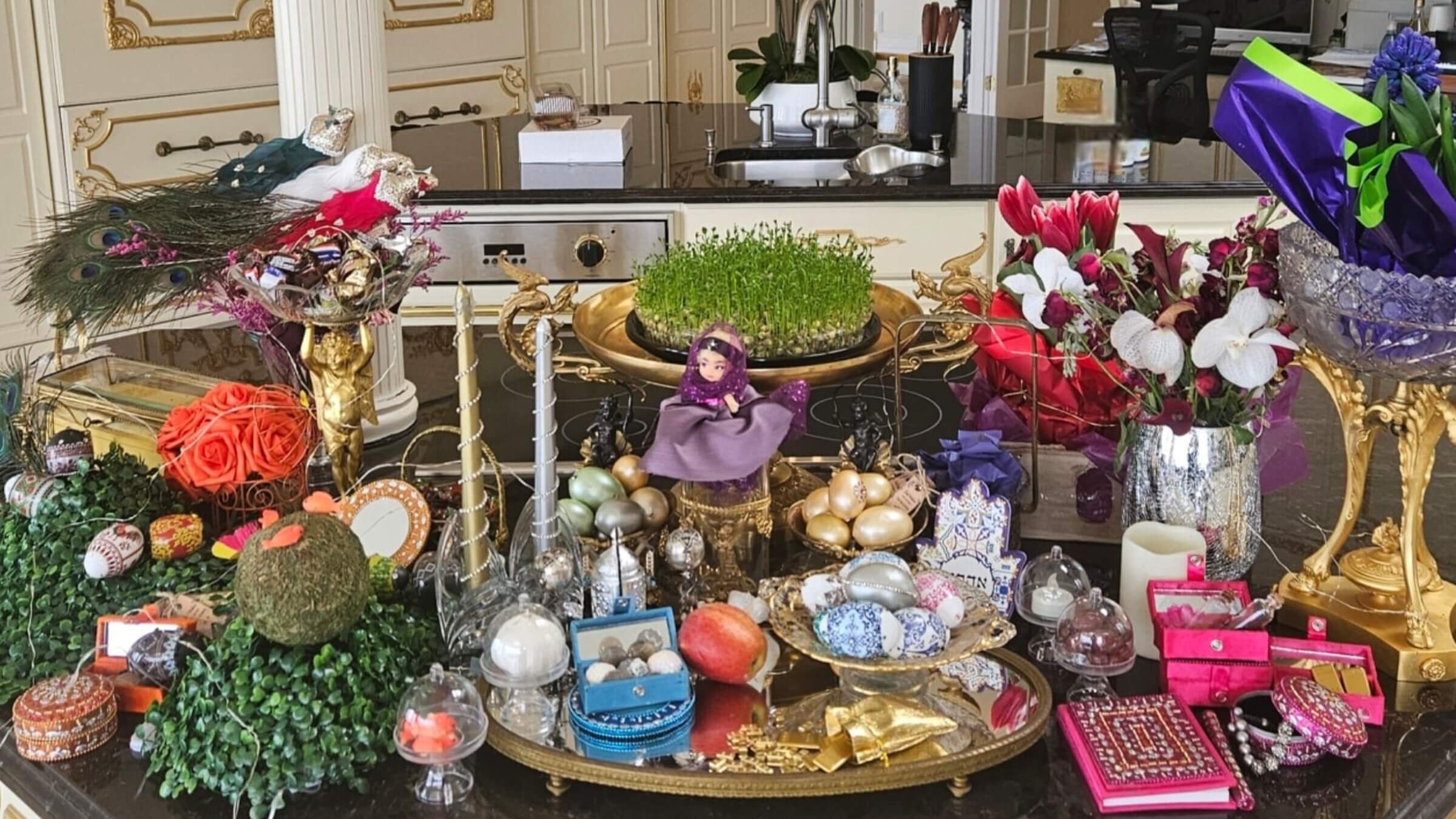
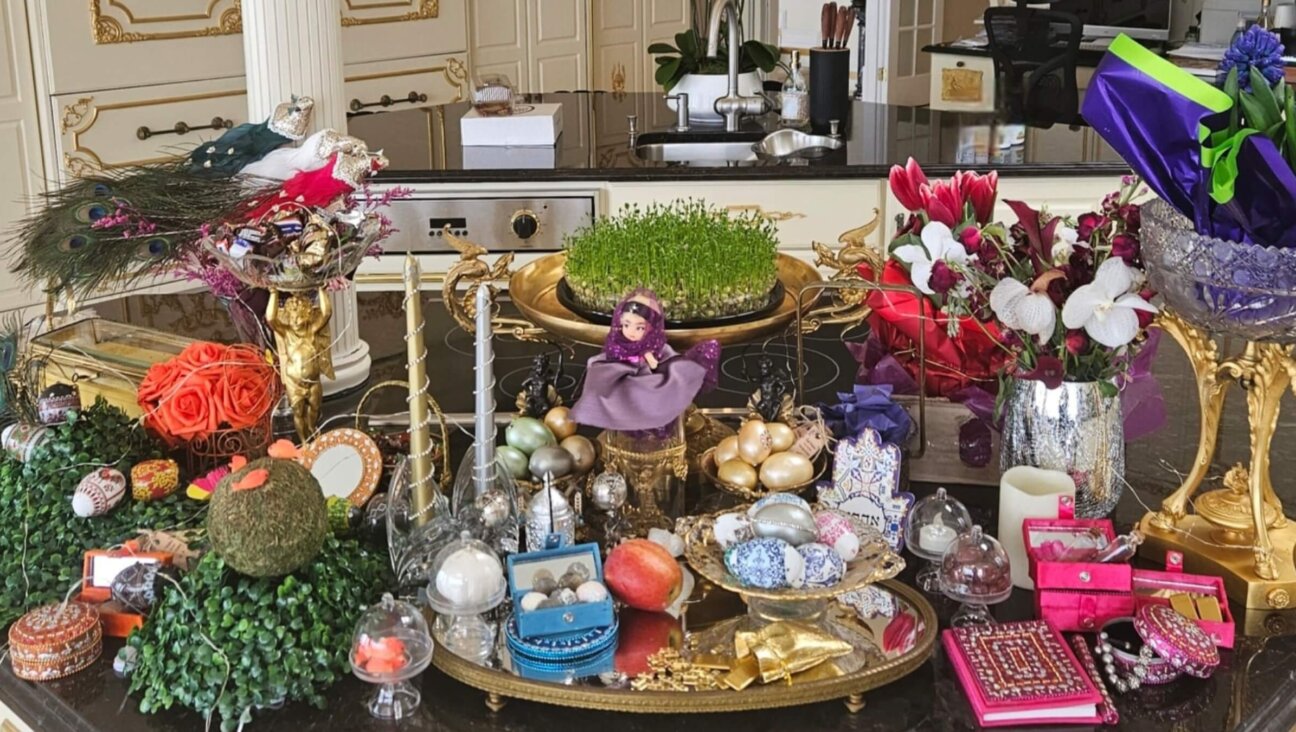
Photo by Anna Hakakian
By Simone Saidmehr March 27, 2026
Anna Hakakian, a resident of Great Neck, New York, grew up in Iran during the Iran-Iraq war. At that time, Nowruz, the secular Persian New Year, offered a rare moment of respite from a conflict that claimed hundreds of thousands of lives.
That war came in the aftermath of the 1979 Islamic Revolution, when Iran’s new leaders tried to ban Nowruz, seeing it as un-Islamic. But Iranians of all religions refused to let it go.
This week, Hakakian is celebrating Nowruz in the shadow of another war. For her, the holiday carries the legacy of Iranians fighting to preserve thousand-year-old traditions despite efforts to suppress them.
“They really tried to erase this from our culture these past 47 years, but it didn’t work,” she said. “It had nothing to do with religion, and all the religions celebrated it, and that’s why it really lasted, because they all fought to keep it.”
How Jews celebrate a Zoroastrian holiday
Nowruz is a 3,000-year-old celebration rooted in ancient Persian tradition, predating the religious divisions that later shaped the region. Its name, meaning “New Day,” marks the arrival of spring.
Though rooted in Zoroastrianism, one of the world’s oldest monotheistic religions, Nowruz is celebrated by Iranians of all faiths. Even observant Jews mark the holiday. “You don’t get the sense that Iranian Jews took Nowruz any less seriously than non-Jewish Iranians,” said Lior Sternfeld, an expert on Iranian Jews and author of Between Iran and Zion.
The holiday lasts 13 days and begins at the exact moment of the spring equinox. Every year, the start time varies, so Iranians often stay awake until the early hours of the morning to welcome the new year. This year, Iranians brought in the holiday on March 20, around 6 p.m. in Tehran. The celebrations will continue until April 2.
Iranians mark the event by setting up a haft-seen table — a vibrant display of symbolic objects that represent themes of spring and renewal. The table traditionally includes seven items beginning with the Persian letter “S,” like sprouts (sabze), the Iranian spice sumac, and hyacinth flowers (sombol). Iranians also visit one another’s homes, hold neighborhood parties and — during the final days of the holiday — gather for picnics.
According to an Iranian Jewish woman living in the U.S., who asked to remain anonymous because her family remains in Iran, some Jewish Iranians are going to great lengths to celebrate the holiday even amid the war. During her biweekly, one-minute phone calls with her parents — kept short to avoid state surveillance and the exorbitant cost of roughly $50 per minute — they told her they had celebrated Nowruz at home, the last thing they did before fleeing to a safer part of the country to avoid bombardment.
“We only talk for one or two minutes. Usually, they just call to tell me they’re alive. But this time because of Nowruz, the call was a little bit longer,” she said. “It was three minutes! Now three minutes is long.”
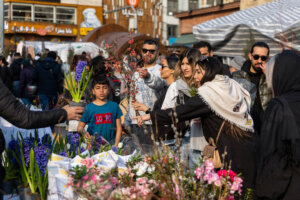
Videos and photos circulating on social media show the bazaar in Tehran, which had been closed since the war began, alive once more with patrons shopping for Nowruz essentials like fresh flowers and greens.
Most Nowruz traditions are shared across religions, but Jews have adapted certain customs to reflect their heritage.
Many Muslim families include a Quran on their haft-seen table, but “We Jews … put a little Torah in there,” Hakakian said. “We just adjust a little bit to include our history, but everything else is the same.” Some Jewish families elect instead to include a book of Hafez poetry, a secular symbol of Iranian culture and literary tradition.
The holiday typically falls a week or two before Passover, which shares similar themes of renewal and rebirth. While Nowruz is traditionally marked by spring cleaning, Sternfeld said many Jewish Iranians connect the two for practical reasons.
“If Pesach is a few days away, you want to use this occasion to get rid of chametz while you’re cleaning for Nowruz.”
The only holiday celebrated in public
In Iran, Jewish holidays are kept quiet, confined to private homes, and sometimes even basements or secret locations to maintain discretion. But Nowruz is the one holiday Jews are able to celebrate outwardly.
“Holidays were stressful. They were very stressful. I associate holidays with having to watch myself. I thought there was no such thing as a carefree holiday,” said the anonymous Iranian Jewish woman.
Cindy Chaouli, an Iranian Jew who left the country in 1978 and now lives in Los Angeles, recalled how “subdued” it felt celebrating holidays like Purim and Passover during her childhood. “It was celebratory, but it was still quiet from the outside world.”
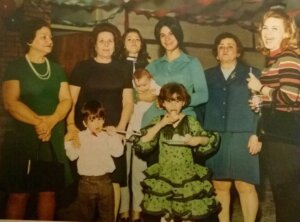
Nowruz, by contrast, spilled into the streets.
“It was totally different,” said Chaouli. “This was the one holiday that was universal. It had nothing to do with religion. You felt it as much outside as you did inside yourself.”
She recalled visiting the homes of non-Jewish neighbors during the holiday.
“I remember going to our neighbor’s house downstairs and having sweets … they’d make a drink called sharbat with cherries, sugar and water. You would just eat and play. It was just extremely celebratory.”
Nowruz in exile
After the 1979 Iranian Revolution, much of Iran’s Jewish community dispersed — many settling in Los Angeles and Long Island, New York, now home to two of the largest Iranian diasporas in the U.S., where Iranians continue to celebrate Nowruz with fervor.
“Here … everyone has parties, all the families get together, we have Nowruz billboards everywhere,” Chaouli said, referring to advertisements across the city publicizing Nowruz events, which this year, honor the plight of Iranians in Iran.
In the days leading up to the holiday, Persian grocery stores become scenes of near chaos. At Elat Market, a kosher Persian grocery store in Los Angeles, the crowds are notoriously intense when Nowruz and Passover coincide.
“There was a woman and her mother — one was standing at this container, filling bags and throwing them over people’s heads,” Chaouli recalled.
This year, many of the Persian stores are adorning their windows with the pre-revolutionary Iranian flag, a symbol of protest against the Islamic Regime.
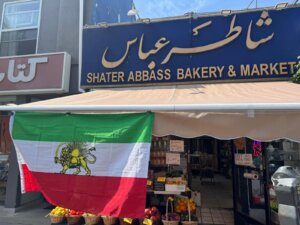
Out on the streets, the celebratory mood is unmistakable. “Everyone I say hello to, it’s ‘Happy Nowruz,’” she said. “It’s a very celebratory time here.”
The sense of shared celebration has been tested in recent years. Chaouli said she has felt tensions between Jewish and Muslim Iranians in the diaspora grow in the wake of the Hamas attack on Israel and the Gaza war that followed.
“After October 7, there was definitely a rift and a lot of friendships were lost,” she said.
But with the new war dredging up shared feelings of grief and cautious hope for the country’s future, Chaouli feels Iranians of all religions are celebrating the holiday together more intensely than before.
“I’ve heard multiple people say that it doesn’t feel the same this year,” said Hakakian. “There’s a feeling of guilt to celebrate and to be happy when all this is going on. But at the same time, we say, Nowruz is here. It’s giving us hope.”
In Hakakian’s Persian calligraphy class, which she takes alongside Iranians of different faiths, the holiday became a moment of shared mourning.
“We sat together, and first we said, ‘Happy Nowruz,’ and then we all sat together in a moment of silence for the Iranian people,” she said. “It didn’t matter who’s Jewish, who’s not. We were all grieving for Iranians. And that, to me, was a moment — like, yes, we do need a moment of silence together.”
This is a moment of great uncertainty. Here’s what you can do about it.
We hope you appreciated this article. Before you go, we’d like to ask you to please support the Forward’s independent Jewish news this Passover.
This is a moment of great uncertainty for the news media, for the Jewish people, and for our sacred democracy. It is a time of confusion and declining trust in public institutions. An era in which we need humans to report facts, conduct investigations that hold power to account, tell stories that matter and share honest discourse on all that divides us.
With no paywall or subscriptions, the Forward is entirely supported by readers like you. Every dollar you give this Passover is invested in the future of the Forward — and telling the American Jewish story fully and fairly.
The Forward doesn’t rely on funding from institutions like governments or your local Jewish federation. There are thousands of readers like you who give us $18 or $36 or $100 each month or year.
Support our mission to tell the Jewish story fully and fairly.