Preaching Politics
It is tempting to shrug off the campaign known as Pulpit Freedom Sunday as a futile attempt to change settled constitutional law. After all, among the thousands upon thousands of preachers who took to the pulpit across America on the final Sunday of September — and thousands of other clergy who addressed their congregations at other times during that weekend — only 31 pastors chose to knowingly defy federal law and instruct their flock to vote a certain way come November. That final number is fewer than the 50 first recruited last spring by the Alliance Defense Fund in its attempt to overturn a 54-year-old ban on political endorsements by tax-exempt houses of worship. And it’s far fewer than the 217 clergy who signed a public pledge from the Interfaith Alliance agreeing not to endorse a candidate on behalf of their churches, mosques and synagogues.
Plus, it’s a safe bet that those 31 pastors preached to the choir. Many clergy, especially those who lead large, influential and therefore diverse congregations, are understandably hesitant to color their pastoral mission with the reds and blues of a political campaign.
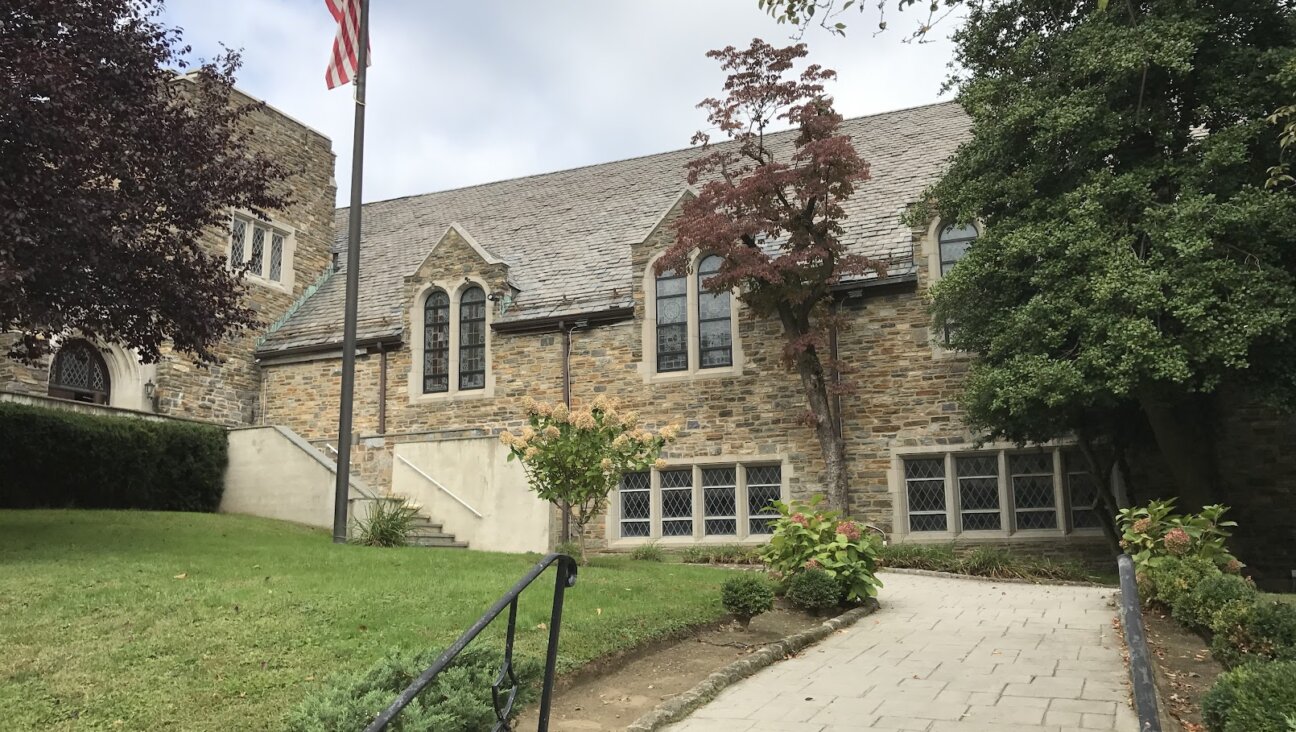
Still, these few and far-flung protesting pastors poked a finger in the eye of the Internal Revenue Service and American law, and that should not be ignored. According to news reports of some of the sermons, there was no mistaking their intentions (or their political leanings). “As Christians, it’s clear we should vote for John McCain,” the Rev. Francis Pultro told 45 people in Philadelphia from the stage of Calvary Chapel on the King’s Highway. “We must vote against the candidacy of Senator Barack Obama. Amen,” was how the Rev. Richard Bacon closed his sermon at Faith Presbyterian Church in Rowlett, Texas.
These defiant words were wrapped in the rhetoric of free speech, but that’s nonsense. The law is not stopping Pultro and Bacon from expressing their beliefs on the worthiness of presidential candidates in private or in public — only from the pulpit of an institution that enjoys direct support from American taxpayers and, in return, agrees to remain neutral in political races.
Nor is the traditional role of the clergy, to speak in a prophetic voice against the social ills and injustices of the day — be they war, segregation, child labor or the genocide in Darfur — compromised by this speech restriction, contrary to what the ADF argues. In fact, there is more than 200 years’ worth of evidence that America’s novel attempt to free religion from government and government from religion has enabled both to carry on their important work.
If those 31 pastors want to continue to use the power of their pulpits to directly influence the ongoing presidential election — or any election, for that matter — then their churches should forgo their tax exemptions and disentangle themselves completely from the limitations that come with such a privilege. If not, the IRS should appropriately pursue those who violate the letter of the law and the spirit that has maintained a healthy distance between worship on Sunday and voting on Tuesday.
This is a moment of great uncertainty. Here’s what you can do about it.
We hope you appreciated this article. Before you go, we’d like to ask you to please support the Forward’s independent Jewish news. All donations are still being matched by the Forward Board - up to $100,000 until April 24.
This is a moment of great uncertainty for the news media, for the Jewish people, and for our sacred democracy. It is a time of confusion and declining trust in public institutions. An era in which we need humans to report facts, conduct investigations that hold power to account, tell stories that matter and share honest discourse on all that divides us.
With no paywall or subscriptions, the Forward is entirely supported by readers like you. Every dollar you give is invested in the future of the Forward — and telling the American Jewish story fully and fairly.
The Forward doesn’t rely on funding from institutions like governments or your local Jewish federation. There are thousands of readers like you who give us $18 or $36 or $100 each month or year.

Support our mission to tell the Jewish story fully and fairly.