‘Next year in Jerusalem’ has grounded Diaspora Jews for centuries. Does the unrest in Israel change that?
Given the recent protests in Israel, the metaphorical Jerusalem is a more realistic aspiration this Passover
Graphic by Angelie Zaslavsky
Editor-at-Large Robin Washington April 3, 2023
I have celebrated Passover for as long as I can remember. And for all of that time, I can recall concluding each night’s Passover Seder with the words “Next year in Jerusalem!” It’s the last line in every Haggadah.
That’s true even though many editions have evolved over the years, especially since the advent of the Civil Rights Movement, women’s liberation, LGBTQ+ rights, and other social changes once unimaginable.
Some revisions might reflect political correctness, such as with the four children who help tell the story of the Israelites’ liberation from slavery in Egypt. Cast for millennia as the wise son, the wicked son, the simple son and one who does not even know how to ask a question, they’re now reinterpreted in some commentaries that pull back from calling a child wicked, and today the sons can be any gender.
As a young child, I took it literally, asking if next year we would have our Seder in Jerusalem. … For me it was analogous to my cheering for the hapless Chicago Cubs, each September ending with a “wait till next year.”
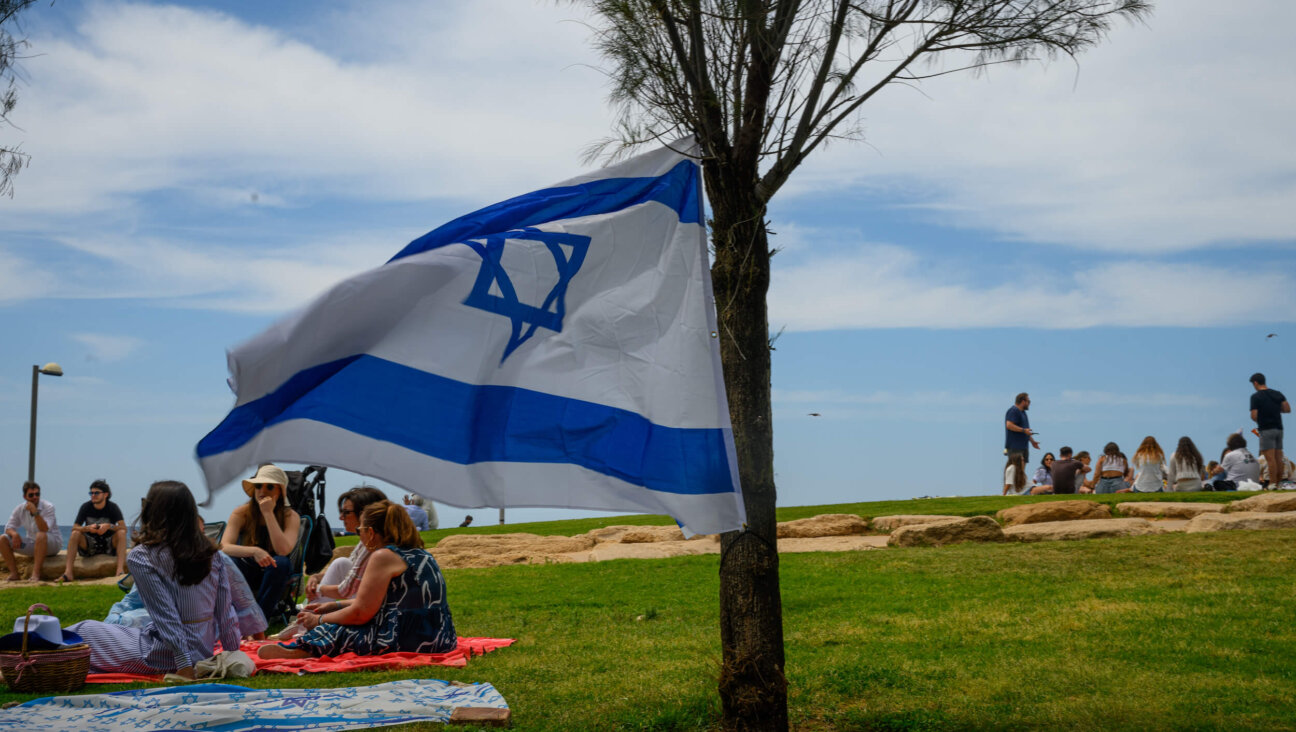
But what has remained constant are the closing words, “Next year in Jerusalem,” or “L’shana ha’bah b’Yerushalayim.” It references the escaped slaves not quite arriving to the Promised Land. The story of Exodus, you’ll recall, has them wandering in the desert for 40 years, and Moses never gets there.
As a young child, I took it literally, asking if next year we would have our Seder in Jerusalem. My family was well-traveled, with my father taking us on some whirlwind vacations, once going from the Arctic Circle to the northern tip of Africa in three weeks. But I didn’t make it to Israel until I was in my 20s. By then I knew the “Jerusalem” we pined for was metaphorical — something hoped for someday in the centuries of Diaspora. As a boy, for me it was analogous to my cheering for the hapless Chicago Cubs, each September ending with a “wait till next year.” Red Sox fans of the era knew the same mantra.
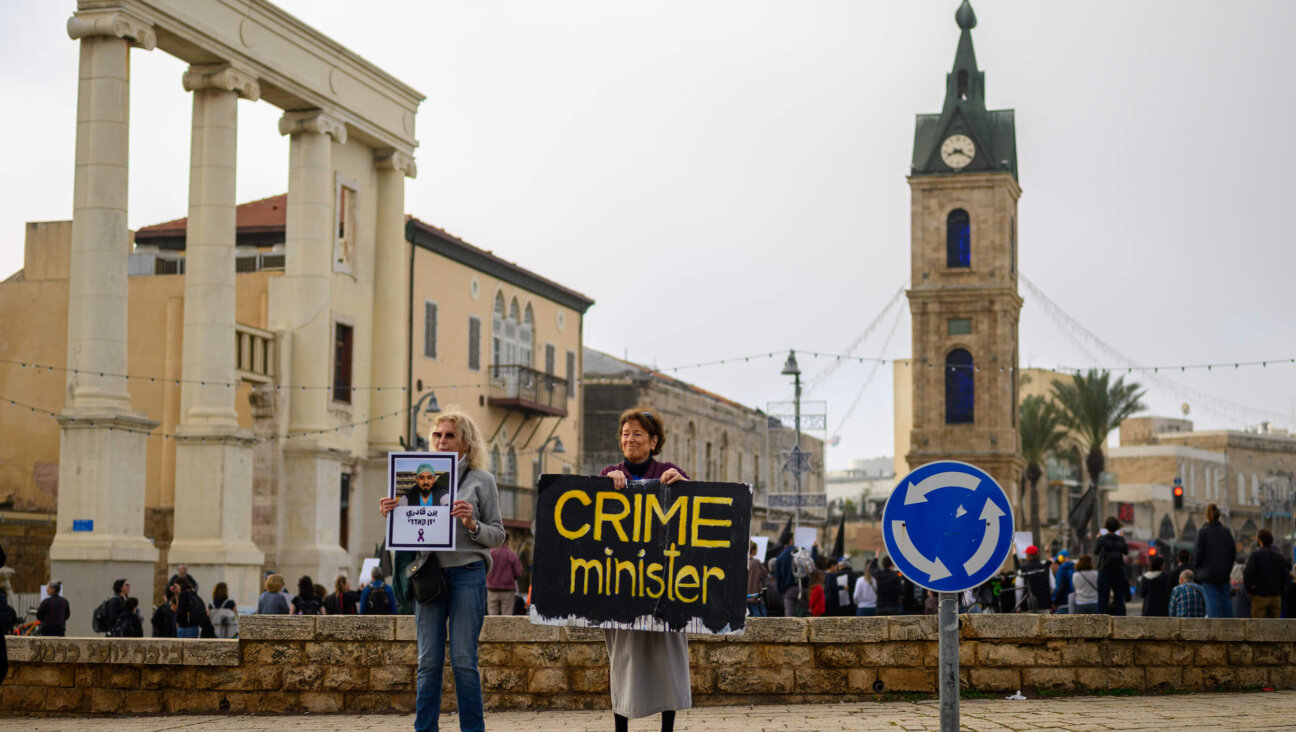
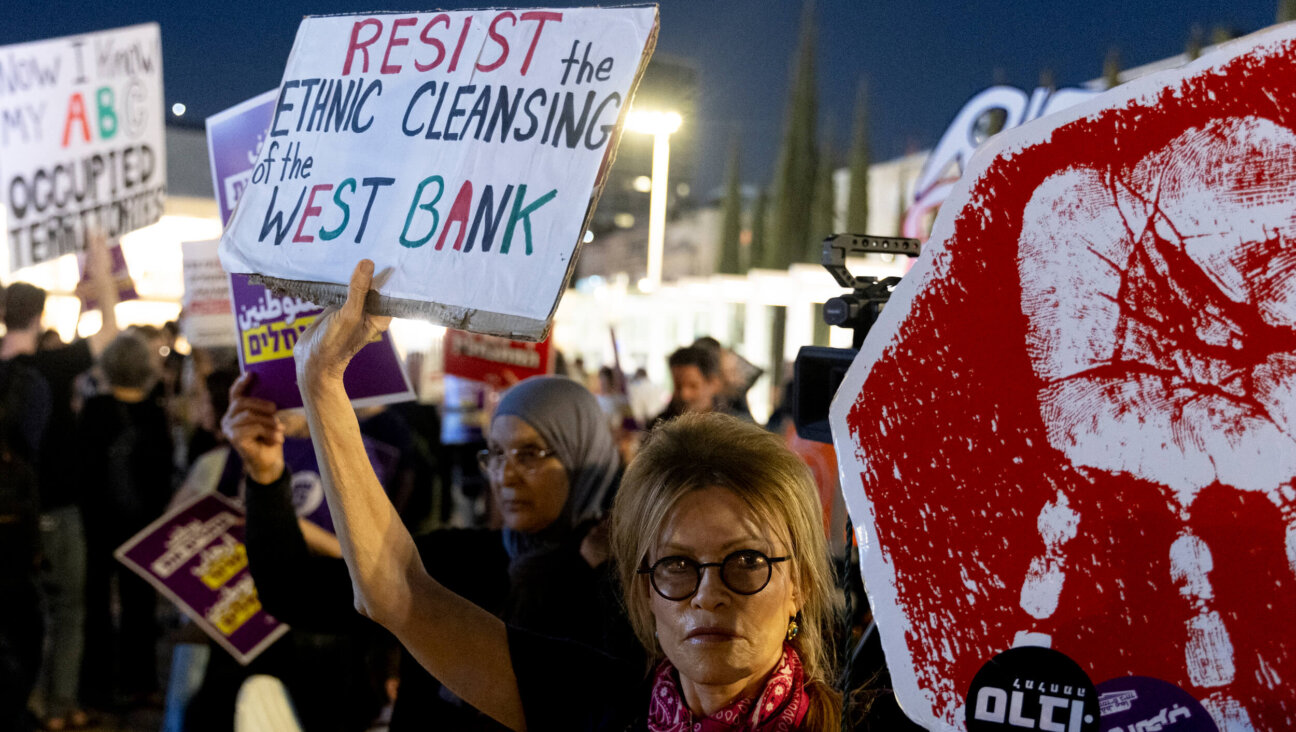
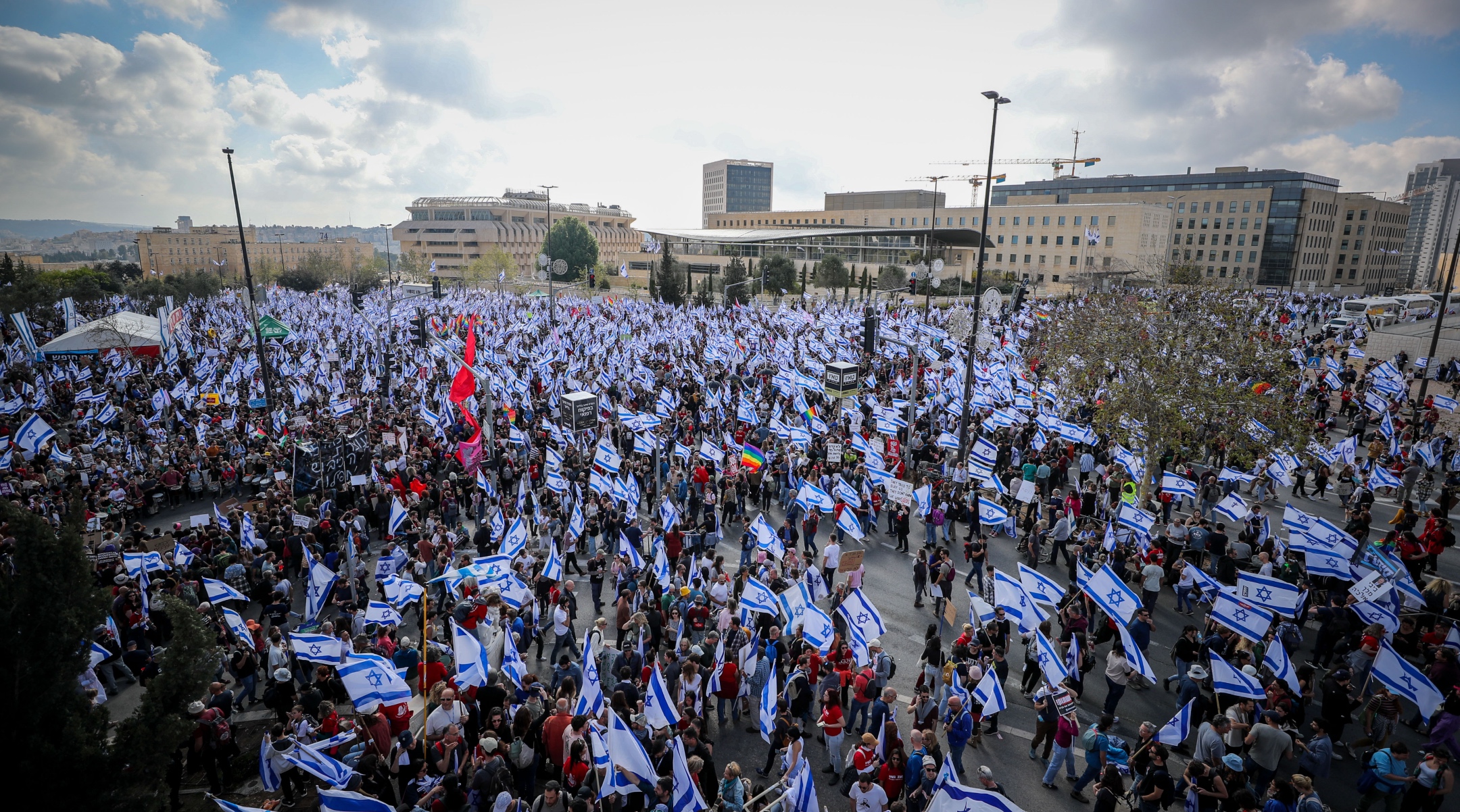
If we haven’t reached the land of milk and honey this year, the chances of finding it in Jerusalem’s foreseeable future aren’t great either. It certainly wasn’t in the past few weeks, with the streets filled with throngs of protesters — numbering hundreds of thousands in Tel Aviv — against Prime Minister Benjamin Netanyahu’s proposed hijacking of the country’s judiciary. And even without the internal political strife, Jerusalem cannot be the true promised land until Israelis and Palestinians can live there in peace.
All this reinforces the hope of the metaphorical Jerusalem, and pining for it may not be in vain. Miracles do happen: The Cubs and the Red Sox have both since won the World Series. Could world peace be far behind?
It’s our birthday and we’re still celebrating!
We hope you appreciated this article. Before you go, we’d like to ask you to please support the Forward’s independent Jewish news.
This week we celebrate 129 years of the Forward. We’re proud of our origins as a Yiddish print publication serving Jewish immigrants. And we’re just as proud of what we’ve become today: A trusted source of Jewish news and opinion, available digitally to anyone in the world without paywalls or subscriptions.
We’ve helped five generations of American Jews make sense of the news and the world around them — and we aren’t slowing down any time soon.
As a nonprofit newsroom, reader donations make it possible for us to do this work. Support independent, agenda-free Jewish journalism and our board will match your gift in honor of our birthday!
Support our mission to tell the Jewish story fully and fairly.