Is the ‘Board of Peace’ just another Trump scheme, or a real move toward Middle East peace?
As Netanyahu joins, there are plenty of reasons to be skeptical of the board — and only one to be hopeful
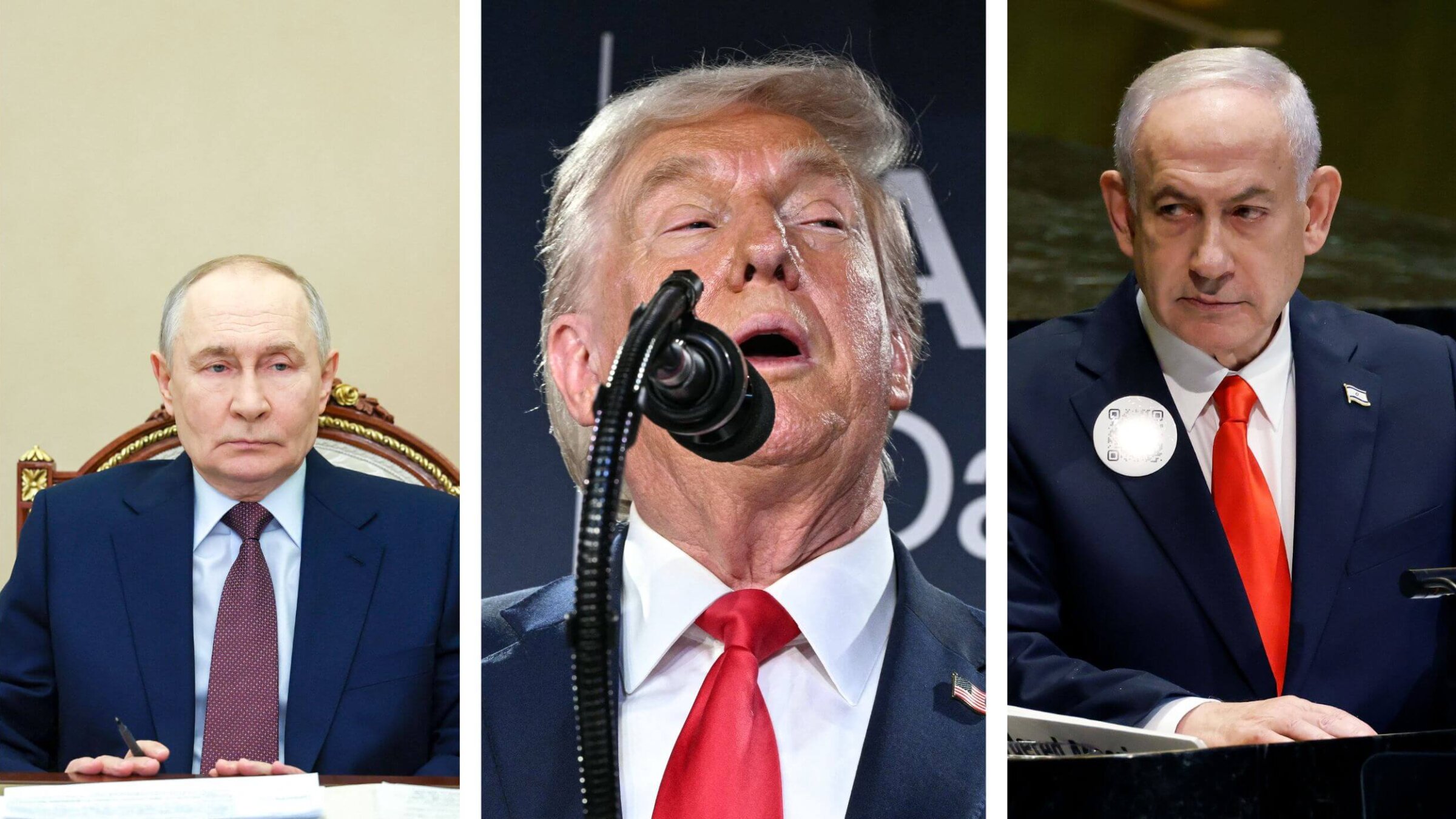
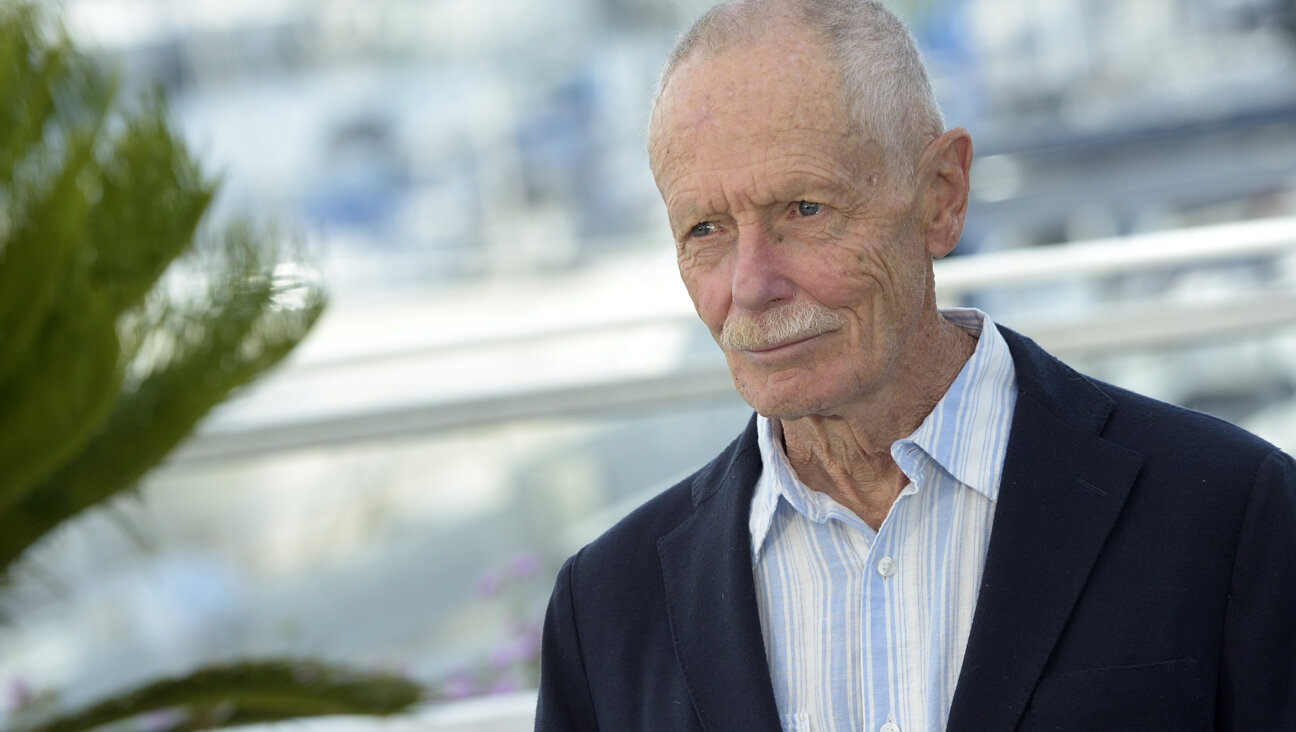
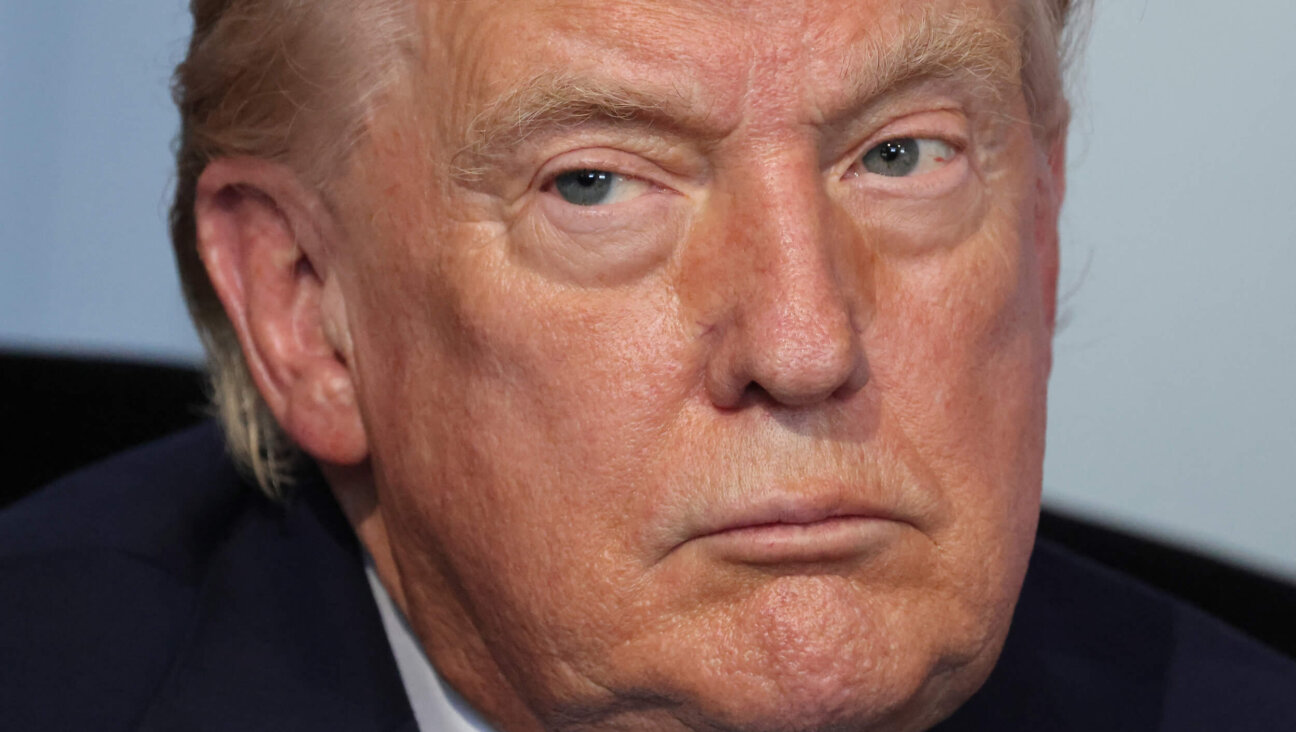
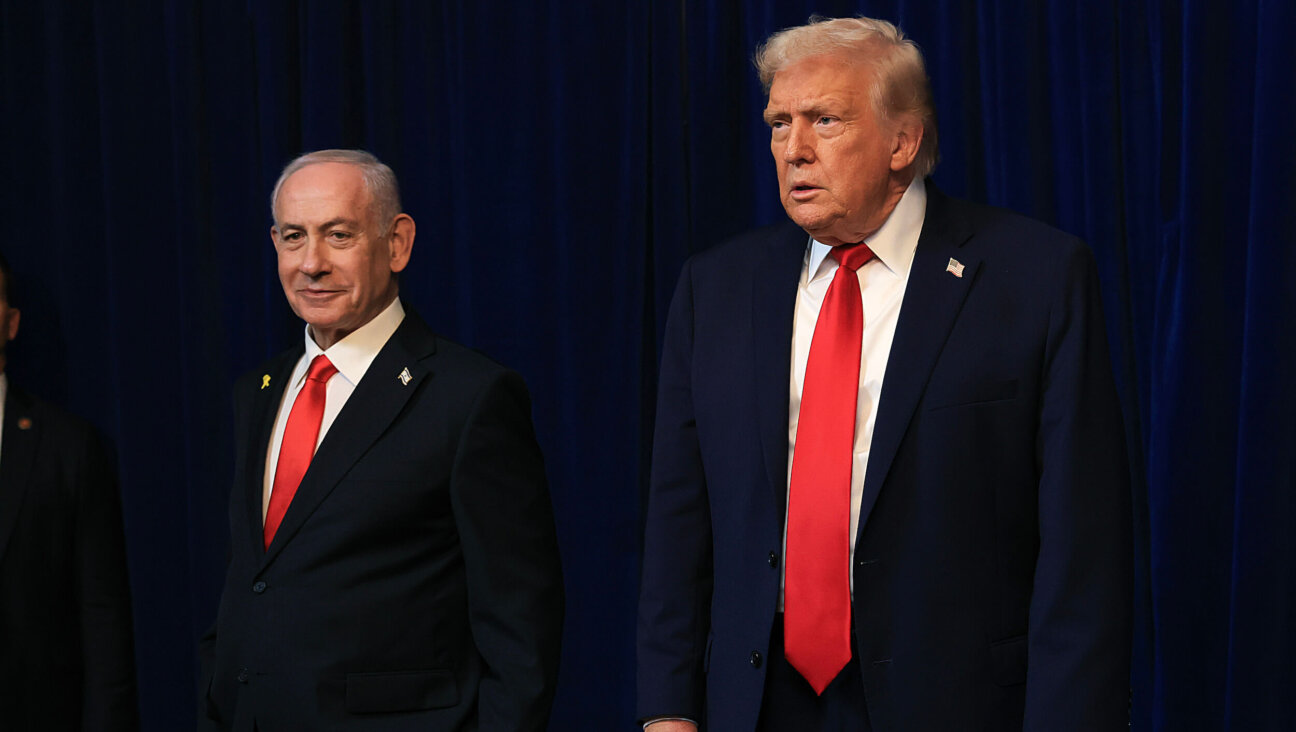
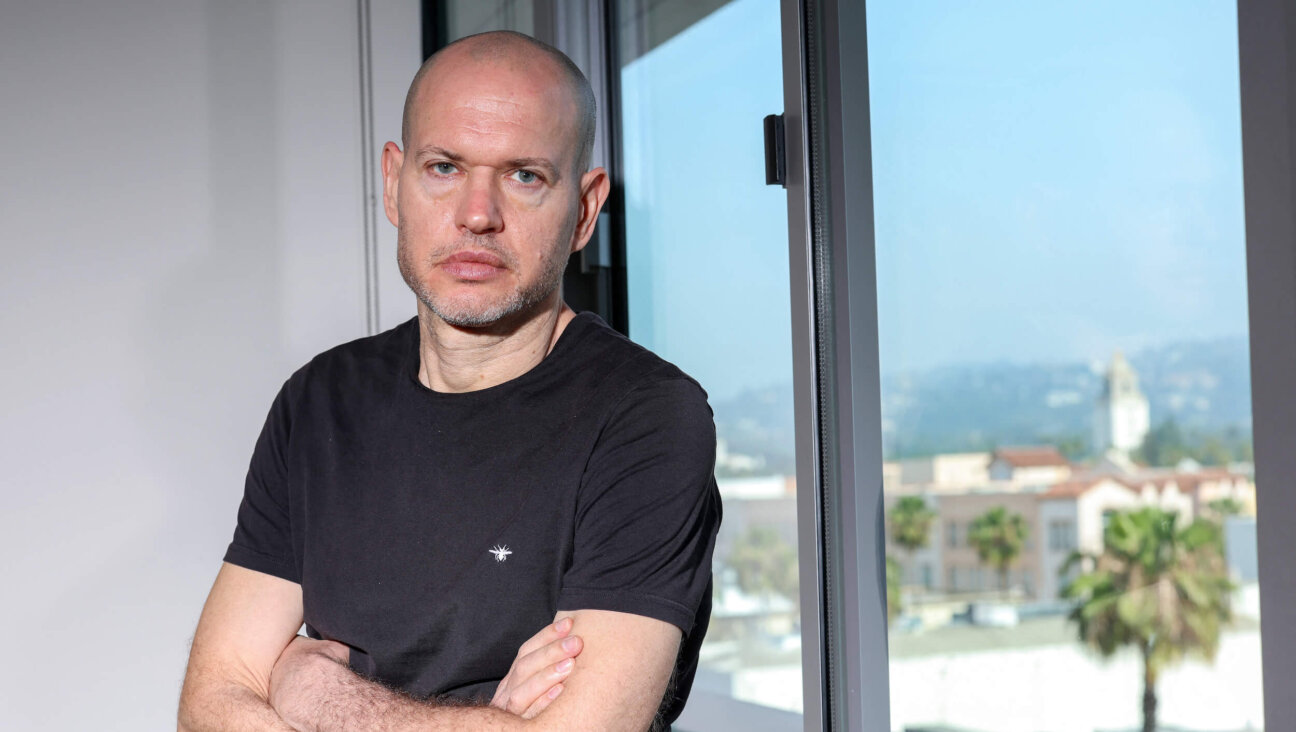
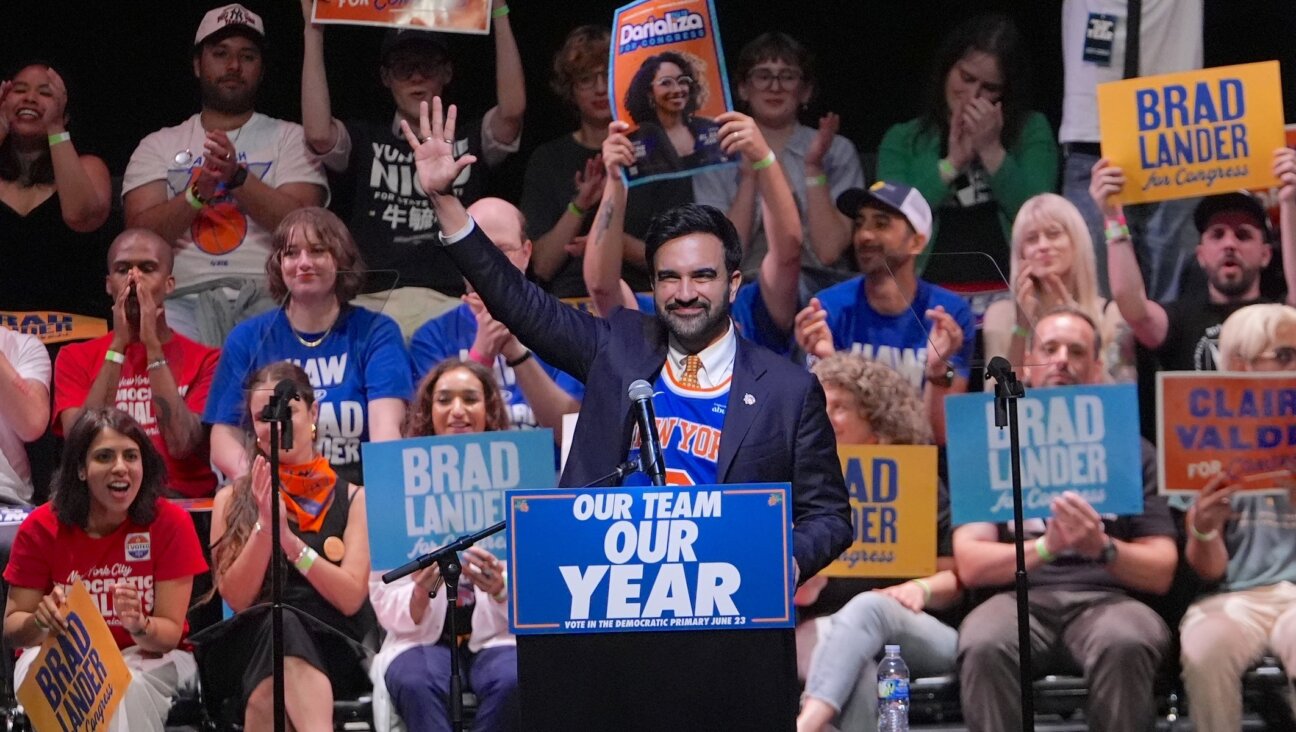
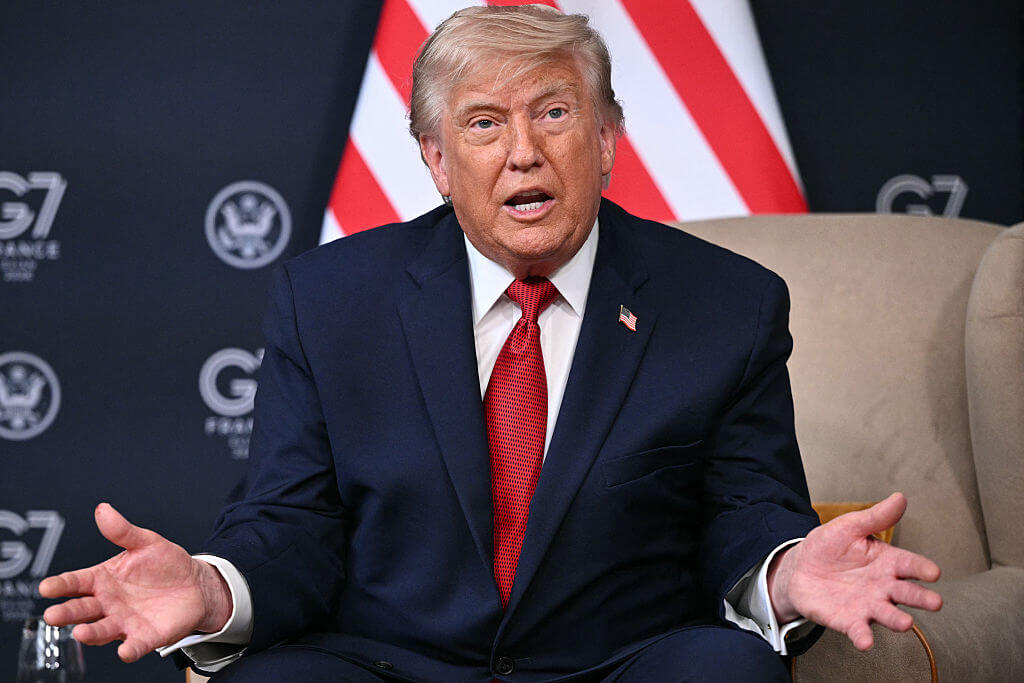
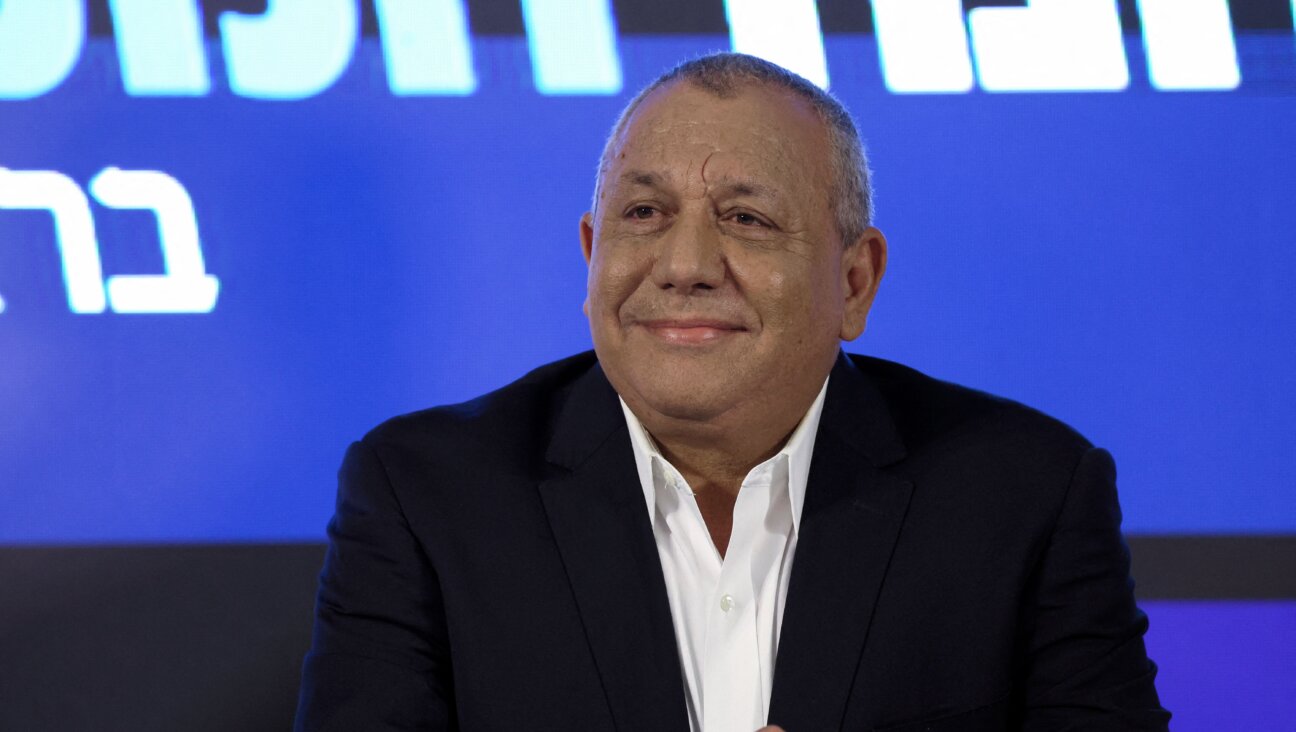
What might the Board of Peace, with potential members including Russian President Vladimir Putin and Israeli Prime Minister Benjamin Netanyahu, actually accomplish? Photo by Vyacheslav Prokofyev/AFP/Mandel Ngan/Taylor Hill/Getty Images

Columnist Dan Perry January 21, 2026
President Donald Trump’s proposed Board of Peace, which Israeli Prime Minister Benjamin Netanyahu announced he would join on Wednesday, seems like it aspires to function as something like a replacement United Nations. It is a striking mixture of ambitious and unserious — but may still be useful, despite the long odds.
The idea was first proposed by Trump in September, when he announced his plan for ending the war in Gaza. But when Trump announced the board’s establishment last week, its charter made no mention of the embattled strip. Instead, the mission statement declared that “the Board of Peace is an international organization that seeks to promote stability, restore dependable and lawful governance, and secure enduring peace in areas affected or threatened by conflict.” (An invitation to join has been extended to Russian President Vladimir Putin, who has been pursuing an unprovoked war in Ukraine for nearly four years.)
That international organization seems likely to function much more like Trump University — the lawsuit-ridden unaccredited institution Trump ran from 2005 to 2010 — than the U.N.
The board is led by a chairman — Trump, naturally — who controls who joins, who stays past an initial three-year term, who leads, how long the institution lives, and even how its rules are interpreted. Every major decision, including the annual budget, requires his approval, giving him final authority over all spending and operations. For those countries that either have the most faith in the project, or the strongest desire to curry favor with Trump, a $1 billion fee — which will theoretically be spent on peacekeeping projects — buys lifelong membership.
Realistically, it would be a mistake for any country to put its security in the hands of a mechanism personally controlled by Trump. Such a structure — with power concentrated in the hands of one man, who would oversee all finances and be able to effectively veto any decision — is incompatible with constitutional government, transparency and the rule of law.
All of which makes the Board of Peace — whose members so far mostly include Trump cronies, plus, amusingly enough, the always amenable ex-British Prime Minister Tony Blair — a dead letter as a framework for strengthening the world order.
That doesn’t mean that the U.N. itself isn’t deeply flawed — it is. That’s particularly true when it comes to the U.N.’s anti-Israel bias, especially in bodies like the Human Rights Council. But the fact that the U.N. is broken does not make it easily replaceable.
That’s because the U.N. derives its authority from a set of principles that Trump’s scheme does not even pretend to respect: that peace must be institutional, not dependent on personal whims; that international legitimacy is created by a commitment to shared rules, not proximity to power; and that sovereignty is constrained by law, not by who can dominate the room.
Trump’s proposal does not correct the U.N.’s failures. Instead, it abandons the good stuff, replacing multilateral legitimacy with a private boondoggle.
And what an absurd boondoggle it would be. Consider Trump’s behavior just this week, as he took his quest to wrest Greenland from NATO ally Denmark to scandalized allies at the World Economic Forum in Davos, Switzerland.
In a preposterous message to the prime minister of Norway, pushing his Greenland campaign, Trump shared that because he was not awarded the Nobel Peace Prize he no longer feels obliged to “think purely of peace.” No American president has ever suggested that restraint, stability, or the pursuit of peace should be conditional on personal recognition. Peace, in this framing, is not a duty of office but a favor Trump bestows when sufficiently flattered.
Trump’s campaign for Greenland has rattled the NATO alliance to the core. A collapse of NATO — which has prevented great-power war in Europe for three quarters of a century by binding sovereignty to law and commitment — is likely the last thing you would want if peace were your concern.
So as a global architecture, the Board of Peace is vulgar, unserious, unworkable and possibly outright dangerous. And yet I hesitate to fully condemn it for one reason: Gaza.
On the disastrous war in Gaza, Trump has done some good. His bear hug of Israel and heavy-handed ways forced Netanyahu to agree to a ceasefire in a war he seemed prepared to continue indefinitely — thus saving dozens of hostages and many more Gazans.
And unlike some confused people, Trump does not pretend that Hamas can be managed into moderation. He appears to understand that the group cannot be allowed to stay in place as a militia, since its continued presence would all but ensure more attacks and more future wars.
Trump is also driven by a sense of ownership. He remains focused when a project feels like his, and the Middle East is such a project. If the Board of Peace appears to be key to sustaining his sense of ownership — and if it keeps pressure on regional actors, maintaining momentum toward dismantling Hamas’ grip on Gaza — then it may be useful, even if its structure is indefensible.
The Middle East is not short of failed peace processes. It is short of actors willing to force through needed change, despite enormous obstructions. Trump’s style is coercive, transactional, and often reckless, but it can produce movement where procedural diplomacy stalls. And in Gaza, movement is critical.
So two things are true: Trump’s grotesque Board of Peace corrupts the meaning of diplomacy, and at the same time, Trump himself may be uniquely useful in this one scenario, and perhaps a few others. I don’t want this case to become a model, but I do want the Gaza plan to move forward. And if this new endeavor may help, despite our profound reasons to be skeptical of it, it’s worth holding out to see what it might achieve.
Did you know that only 2% of Forward readers donate to support our nonprofit newsroom? That 2% make it possible for millions to read the Forward without a paywall or subscription — removing any barriers to the full and fair Jewish story.
But while the Forward is free to read, it isn’t free to produce. Big stories — like deep dives into the antisemitism data, political scoops or reporting trips to college campuses — take months of research and fact-checking. All while we keep you informed of what you need to know each day.
— Rachel Fishman Feddersen, Forward Publisher & CEO
Support our mission to tell the Jewish story fully and fairly.