The Passover lesson we need most after devastating years of war
Our empathy has been depleted, but we need it more than ever

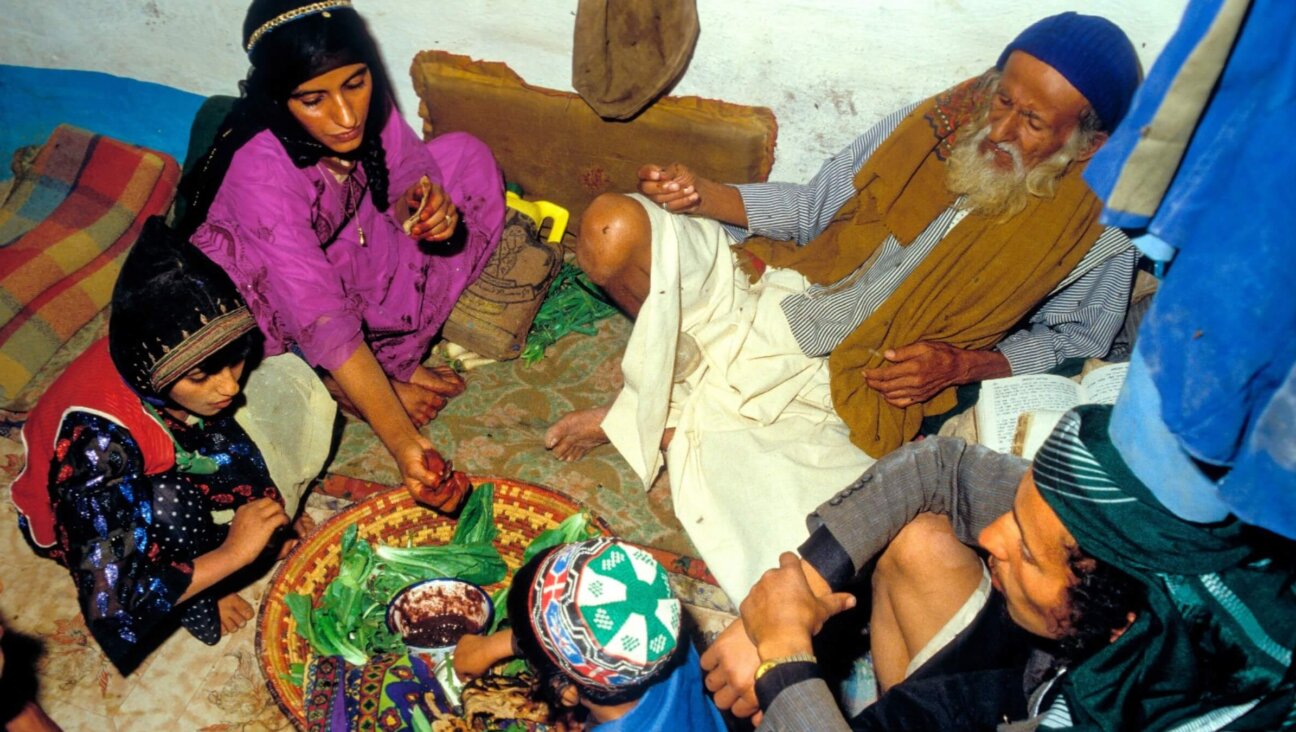
The Passover Seders involves a profound plea for empathy. Photo by Viktoria Hodos/iStock by Getty Images
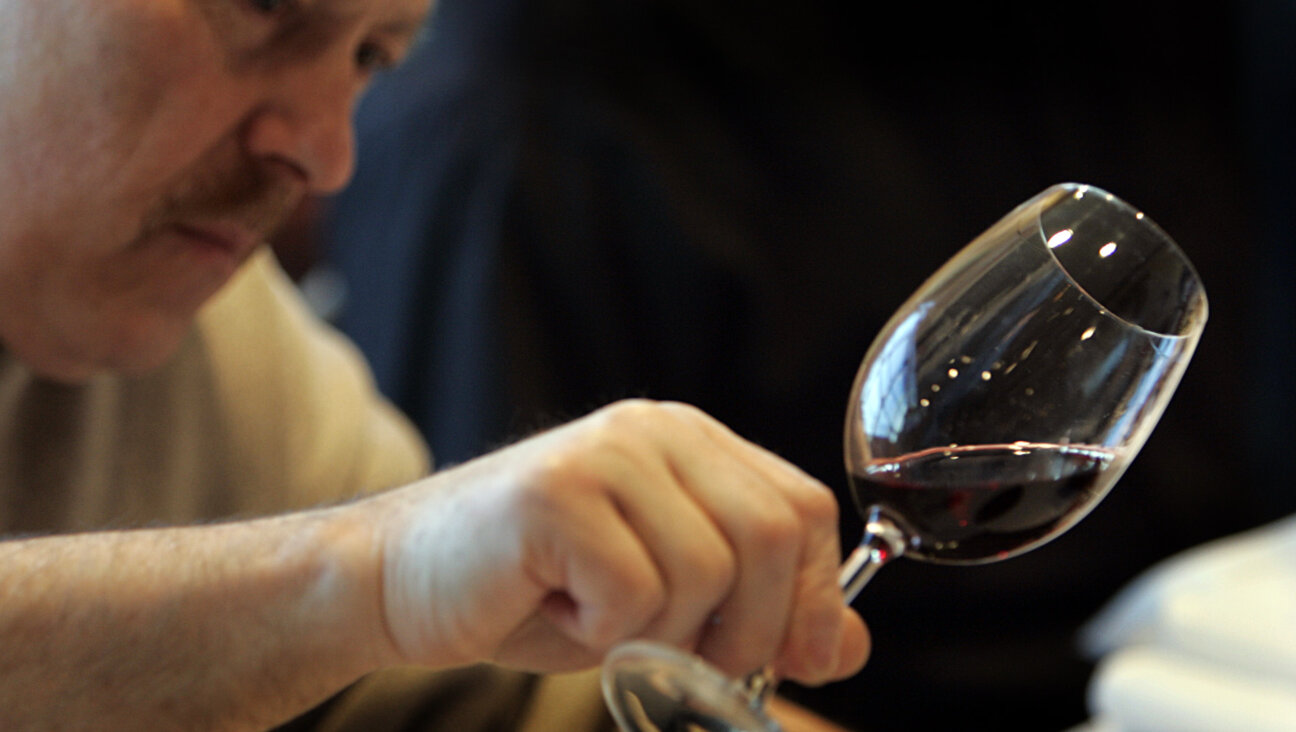
During my family’s Passover seder we will drip wine from our glasses as we recite each plague suffered by the Egyptians, a tradition that partly symbolizes regret at the suffering of innocents.
Perhaps the most fundamental lesson of Passover, as Rabbi Lauren Metzger wrote in 2025, is that “you must have empathy for others because you know what it means to suffer.” This year, Jews and non-Jews alike need that lesson more than ever.
Shortly before the onset of the war with Iran I was in Baka, Jerusalem, visiting my Israeli relatives. Stickers around the neighborhood memorialized soldiers killed in Gaza. Fortunately, none of my nephews who had served in the reserves are represented in these memorials. They survived hostile fire, and attended funerals for fallen comrades.
It struck me that there were no references to the civilians killed in Gaza.
In an August, 2025 poll, 62% of Israelis agreed with the claim that there weren’t any innocents in Gaza. One Israeli peace activist I knew, who was living in Brooklyn for a few months, told me shortly after the Hamas attack of Oct. 7, 2023 that he had lost sympathy for Gaza’s non-combatants.
Besides some small protests against what former Prime Minister Ehud Olmert called “war crimes” in Gaza, and others against the violent rampages by West Bank settlers, Israelis have shown little interest in Palestinian suffering. Such moral blindness will make it difficult for them to internalize the symbolism of dripping wine onto their Seder plates.
Israelis are suffering from a kind of collective PTSD from the savagery of Oct. 7, the war against Hamas, and decades of terrorism. I imagine that the war with Iran will exacerbate their sense of vulnerability, preventing them from seeing beyond their anger and fear.
Their traumas leave little room for the empathy demanded by Passover.
In Baka I spoke to one of my relatives, who had served more than 300 days in the reserves. “At first there was no question about serving,” he said. “The stakes were existential.” Many of his fellow-reservists, he said, were no longer serving because of PTSD, or because their families were falling apart without them.
My brother-in-law showed me the bomb shelter where he had spent nights during last year’s 12-day missile exchange with Iran. This time around, he rides his bicycle to visit his grandchildren, carrying with him a map marking the shelters on his route.
But as much of the world condemns Israelis for insufficient empathy for Palestinians, it also showcases a remarkable lack of empathy for the ordeals experienced by Israelis themselves.
My Park Slope, Brooklyn neighborhood is dotted with “Free Palestine” signs. Just as there were no references in Baka to the slaughter in Gaza, the displays on the houses of my pro-Palestinian neighbors are silent about the atrocities of Oct. 7, an omission that has me doubting the thoughtfulness of their protest.
But while anti-Zionism has attracted its share of hypocrites, the Jewish communal establishment has largely overlooked Israel’s misdeeds.
The prevailing mantra is that anti-Zionism is antisemitism — an overly broad formulation that lumps supporters of Hamas in with advocates for a bi-national state.
In practice, too much of the Jewish community has treated all of Israel’s politically progressive detractors as illegitimate messengers. Approaching the progressive left’s accusations around Israel with wholesale disregard has allowed many of my co-religionists to duck the moral questions that have arisen in these devastating years of war. In this way, we mirror our Israeli counterparts.
Polling shows that more Americans now favor the Palestinians over the Israelis — a radical inversion from even a year ago. Unless the Jewish community fully acknowledges the role Israel’s behavior has played in this shift, we will become isolated from the political mainstream. We will also lose the credibility needed to assume the type of ethical leadership that has marked Jewish-American history.
Israel is also trending towards isolation. Prime Minister Benjamin Netanyahu has called for his country to become a militaristic “super Sparta.” Embracing that vision would alienate most of the world community, as well as many younger Jewish Americans, who are already disillusioned by Israel’s illiberalism.
The antidote to isolation is for Jews to do the difficult work of confronting the reality of ongoing suffering in Gaza, as well as the anguish of innocents in Lebanon, Iran and the West Bank — and to find empathy. In 2026, this is the work that Passover demands of us.
In the Passover story God hardens Pharaoh’s heart, leading to his downfall. We must embrace the holiday’s call for empathy, or risk, like Pharaoh, becoming slaves to fear and self-imposed insularity.
This is a moment of great uncertainty. Here’s what you can do about it.
We hope you appreciated this article. Before you go, we’d like to ask you to please support the Forward’s independent Jewish news this Passover. All donations are being matched by the Forward Board - up to $100,000.
This is a moment of great uncertainty for the news media, for the Jewish people, and for our sacred democracy. It is a time of confusion and declining trust in public institutions. An era in which we need humans to report facts, conduct investigations that hold power to account, tell stories that matter and share honest discourse on all that divides us.
With no paywall or subscriptions, the Forward is entirely supported by readers like you. Every dollar you give this Passover is invested in the future of the Forward — and telling the American Jewish story fully and fairly.
The Forward doesn’t rely on funding from institutions like governments or your local Jewish federation. There are thousands of readers like you who give us $18 or $36 or $100 each month or year.
Support our mission to tell the Jewish story fully and fairly.