Yiddish song workshop among YIVO’s online mini-courses in English
Other courses will cover the world of Ashkenazi cooking and desire in Yiddish literature.
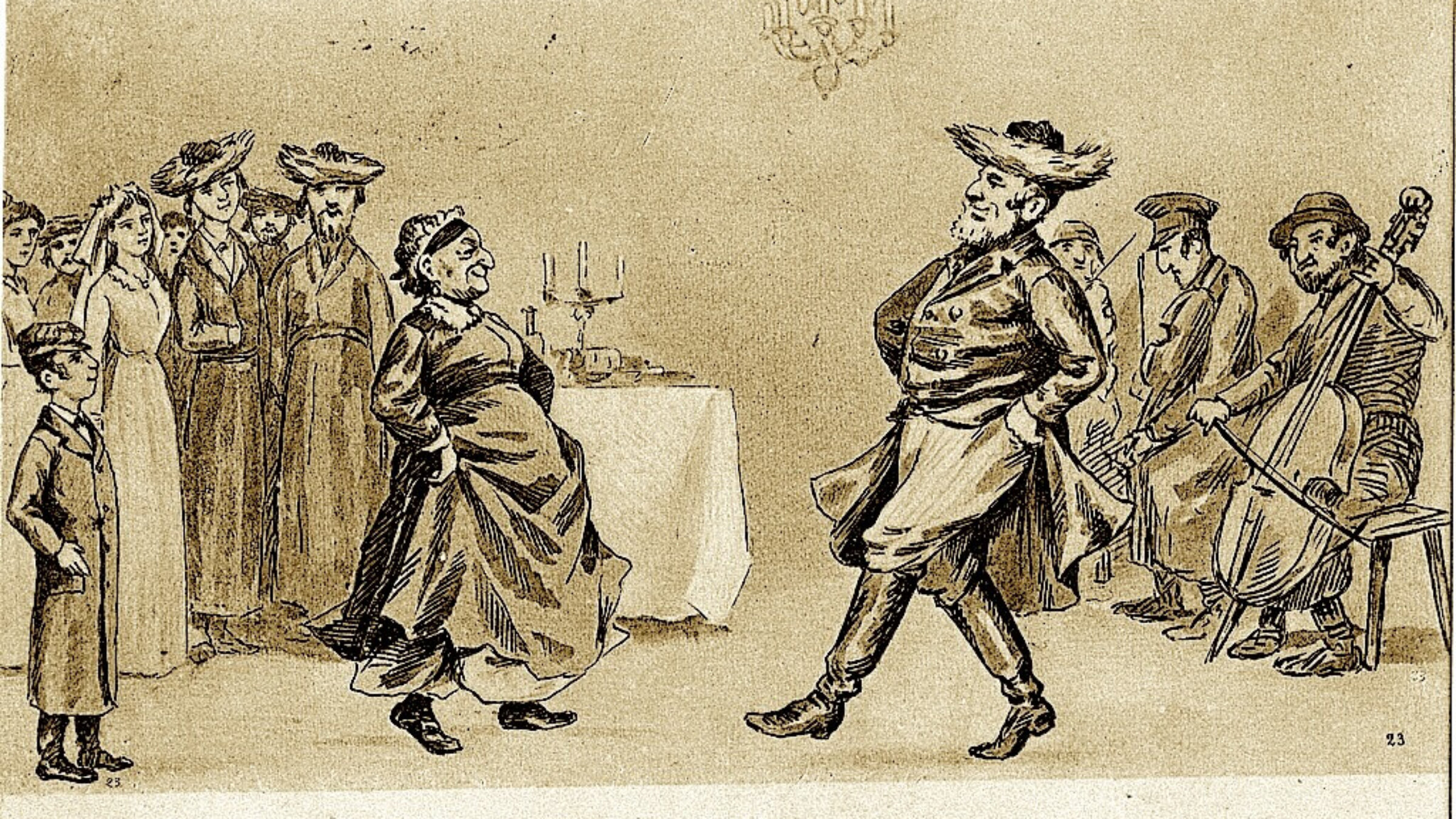
Guests dancing the Yiddish “mekhutn-tants” accompanied by Jewish folk musicians Photo by getarchive.net

By Forverts Staff December 12, 2024
People who want to learn more about Yiddish culture can now sign up for several online courses at YIVO. The classes will be taught in English.
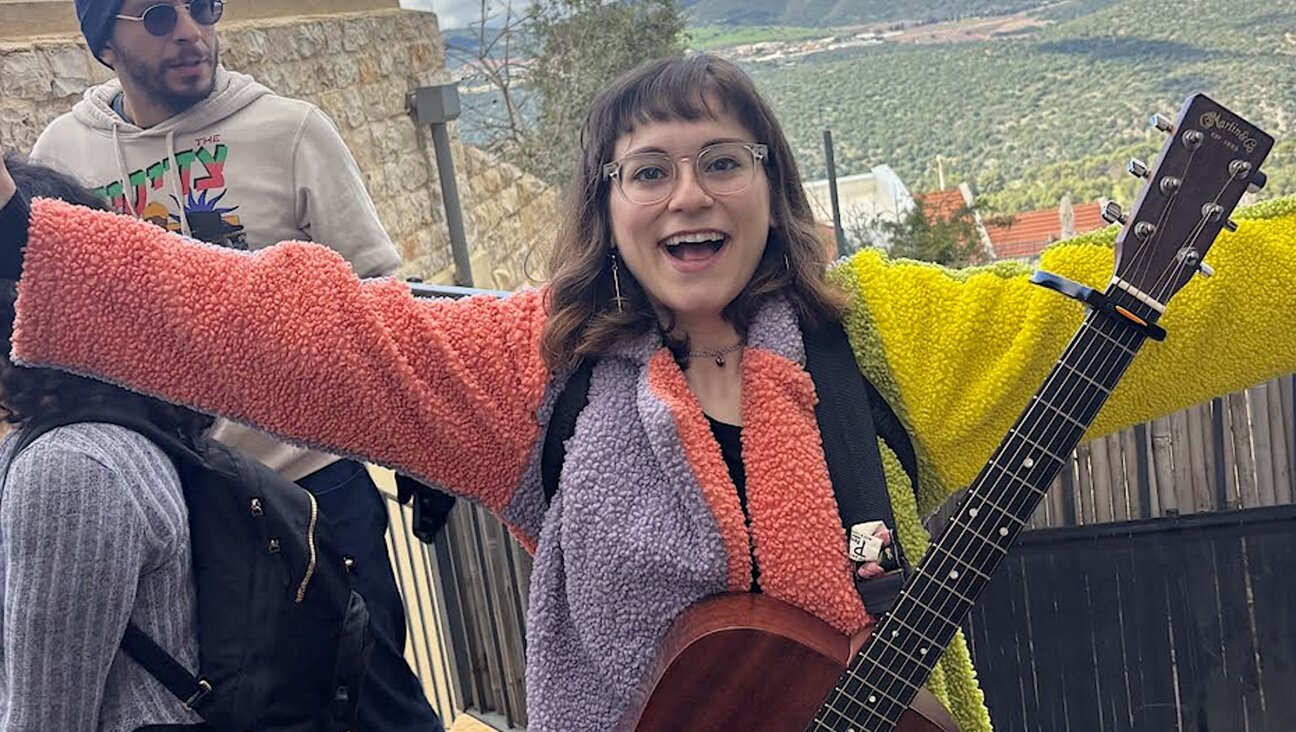
In the course “Seasons in Yiddish Song,” the Yiddish instructor and singer Paula Teitelbaum will introduce students to folk songs that were passed down from generation to generation, as well as songs written by renowned poets and composers. The material will cover different genres, time periods and historical contexts. All song texts will be accessible in Yiddish, English transliteration and translation to accommodate all levels of Yiddish.
Yiddish food scholar and chef Eve Jochnowitz will provide a glimpse into the history of Eastern European Jewish cooking in the course Introduction to Ashkenazi Jewish Foodways. She will discuss the ingredients and techniques of preparing these foods as determined by the Jewish ritual calendar, the dietary laws, the produce of the local soil and the cuisines of neighboring peoples.
Jewish music researcher Michael Luchin will teach the course Outside the Synagogue: Traditional Songs and Nigunim of Eastern Yiddish Speakers where he will discuss the distinctive musical repertoires that flourished from early modernity until the Holocaust. Among the most prominent were Yiddish folk songs, klezmer instrumental music, cantorial singing, paraliturgical songs, and, beginning in the 18th century, Hasidic nigunim.
There will also be a course called Desire in Yiddish Literature taught by Yiddish literature scholar Anita Norich about stories that touch on emigration and immigration, nationalism, socialism, religious belief and the rejection of religious observance. Among the authors: Sh. Y. Abramovitch, Tsilye Dropkin, Yankev Glatshteyn, Kadya Molodovsky and Malka Heifetz Tussman.
This is a moment of great uncertainty. Here’s what you can do about it.
We hope you appreciated this article. Before you go, we’d like to ask you to please support the Forward’s independent Jewish news this Passover.
This is a moment of great uncertainty for the news media, for the Jewish people, and for our sacred democracy. It is a time of confusion and declining trust in public institutions. An era in which we need humans to report facts, conduct investigations that hold power to account, tell stories that matter and share honest discourse on all that divides us.
With no paywall or subscriptions, the Forward is entirely supported by readers like you. Every dollar you give this Passover is invested in the future of the Forward — and telling the American Jewish story fully and fairly.
The Forward doesn’t rely on funding from institutions like governments or your local Jewish federation. There are thousands of readers like you who give us $18 or $36 or $100 each month or year.
Support our mission to tell the Jewish story fully and fairly.