U.N. Rights Chief Slams Israel Gaza Attack

Image by getty images
The United Nations human rights chief on Friday voiced serious doubts that Israeli’s military operation against Gaza complied with international law banning the targeting of civilians, and called on both sides to respect the rules of war.
International law requires Israel to take all measures to ensure that its attacks are proportional, distinguish between military and civilian objects, and avoid civilian casualties, U.N. High Commissioner for Human Rights Navi Pillay said.
“We have received deeply disturbing reports that many of the civilian casualties, including of children, occurred as a result of strikes on homes. Such reports raise serious doubt about whether the Israeli strikes have been in accordance with international humanitarian law and international human rights law,” Pillay said in a statement.
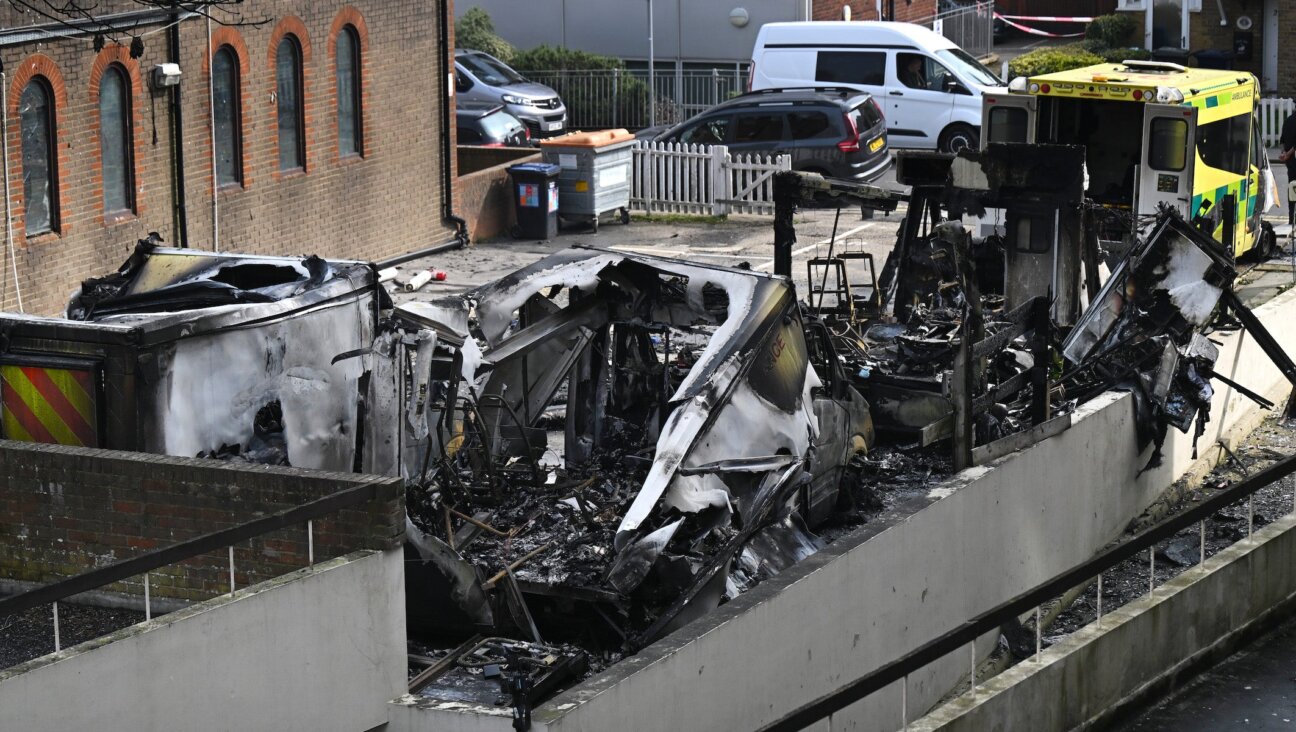
Israeli air strikes on densely populated Gaza killed 11 more people on Friday, raising the death toll from the four-day offensive to at least 96, most of them civilians, Palestinian officials said.
Israel insists it makes great efforts to avoid civilian casualties, but says that militant group Hamas often places military assets in residential areas.
Pillay said that was against international law and called on Palestinian groups not to put military installations in or launch attacks from those areas.
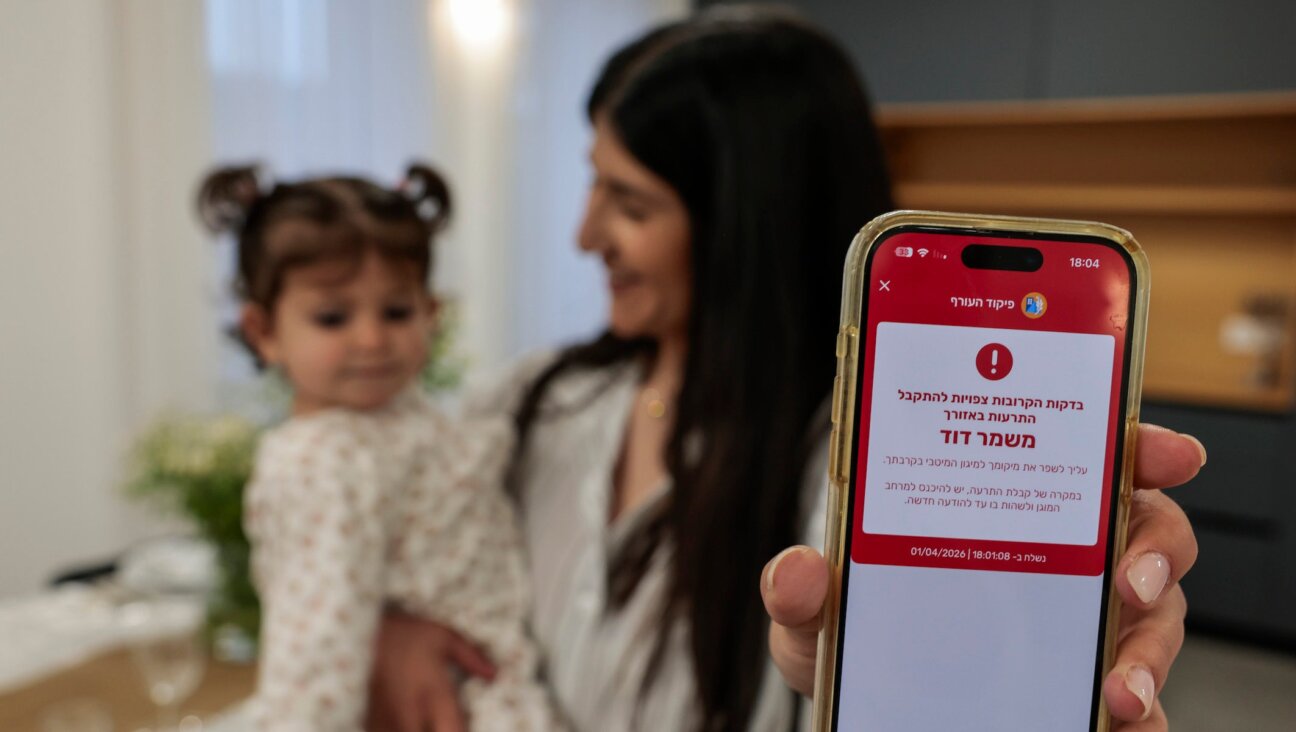
Palestinian militants have fired more than 800 rockets and 61 mortars into southern Israel, she said. Nine Israeli civilians were hurt fleeing to shelters, according to media reports that her office has not been able to verify.
DESTRUCTION, DISTRUST
Targeting civilian homes violates international humanitarian law unless the homes are being used for military purposes, said Pillay, a former U.N. war crimes judge.
“In case of doubt, buildings ordinarily used for civilian purposes, such as homes, are presumed not to be legitimate military targets. Even where a home is identified as being used for military purposes, any attack must be proportionate, offer a definite military advantage in the prevailing circumstances at the time, and precautions must be taken,” she said.
Her spokeswoman Ravina Shamdasani, speaking at a news briefing in Geneva, said: “So if there is even an iota of doubt, these are not legitimate military targets.”
She added: “Making phone calls, giving advance notice to civilians so that they may leave such areas is one of the ways of doing this to ensure that civilians are not targeted.”
Pillay, who visited Gaza and Israel in 2011, said at the time that both sides should be held liable for war crimes and that Israeli forces had committed crimes against humanity.
“Israel, Hamas, and Palestinian armed groups in Gaza have been down this road before, and it has led only to death, destruction, distrust and a painful prolongation of the conflict,” Pillay said on Friday.
Summing up the damage in Gaza, Jens Laerke, spokesman of the U.N. Office for the Coordination of Humanitarian Affairs (OCHA), said: “More than 340 housing units in Gaza have been severely damaged or completely destroyed. As a result, more than 2,000 people have been displaced.”
“Our aid workers on the ground report that people in Gaza are gripped by fear, the streets are empty and the shops are closed.”
Gaza has enough wheat stocks to cover the needs of its entire population through the end of July, World Food Program spokeswoman Elisabeth Byrs told Reuters in response to a query.
This is a moment of great uncertainty. Here’s what you can do about it.
We hope you appreciated this article. Before you go, we’d like to ask you to please support the Forward’s independent Jewish news this Passover. All donations are being matched by the Forward Board - up to $100,000.
This is a moment of great uncertainty for the news media, for the Jewish people, and for our sacred democracy. It is a time of confusion and declining trust in public institutions. An era in which we need humans to report facts, conduct investigations that hold power to account, tell stories that matter and share honest discourse on all that divides us.
With no paywall or subscriptions, the Forward is entirely supported by readers like you. Every dollar you give this Passover is invested in the future of the Forward — and telling the American Jewish story fully and fairly.
The Forward doesn’t rely on funding from institutions like governments or your local Jewish federation. There are thousands of readers like you who give us $18 or $36 or $100 each month or year.
Support our mission to tell the Jewish story fully and fairly.